
You wake up, glance in the mirror, and your complexion just looks… tired. Flat. Like the light got switched off. You aren’t imagining it. Dull skin happens when dead cells build up on the surface, circulation slows down, or your skin loses its natural ability to reflect light. You have probably tried half a dozen products that promised a glow but delivered nothing but disappointment and a lighter wallet. Here is the honest truth: achieving luminous, healthy skin does not require a spa budget or a cabinet full of luxury creams. With the right approach and a targeted affordable skin glow serum, you can revive your complexion without breaking the bank. This guide walks you through every step, from understanding why your skin looks dull to building a cost-effective routine that actually works.
What causes skin to lose its natural glow?
Dull skin is essentially a buildup of dead cells and a lack of hydration on the surface layer. When your skin cannot shed these cells efficiently, light reflects unevenly, making your face look rough and tired.
Slow cell turnover and dead skin buildup
Your skin naturally sheds dead cells every 28 to 30 days when you are young. As you age, this process slows down. Dead cells linger, forming a dull film that blocks your natural radiance. Exfoliation becomes essential, but overdoing it damages your barrier. The sweet spot is gentle, regular removal of that top layer.
Dehydration and moisture loss
Even oily skin can be dehydrated. When your skin lacks water, it tightens and looks flat. Dry surface cells scatter light poorly. Healthy, hydrated cells are plump and allow light to pass through and bounce back, creating that coveted glow. Drinking water helps, but your skin needs topical humectants like glycerin and hyaluronic acid to hold moisture in.
Environmental stressors and oxidative damage
Pollution, UV rays, and blue light create free radicals that attack collagen and lipids. This damage accelerates dullness and uneven texture. Antioxidants neutralize these attackers. Without them, your skin looks weathered rather than fresh. This is where a well-formulated serum shines.
Why is a serum the most effective solution for dull skin?
Serums deliver concentrated active ingredients deep into the skin, unlike moisturizers that mainly sit on the surface. A serum targets the root causes of dullness in ways that creams and cleansers cannot match.
Concentration of active ingredients
A serum typically contains 10 to 20 times more active ingredients than a standard moisturizer. This means a few drops deliver a potent dose of vitamin C, niacinamide, or hyaluronic acid directly to the cells that need it. You get results without needing layers of products.
Deep penetration and absorption
Because serums have smaller molecules, they penetrate the stratum corneum more effectively. They reach the living layers of your skin where collagen production and cell regeneration happen. A good serum feels like it disappears, but that is exactly what you want — it is working beneath the surface.
Targeted action for specific concerns
Dullness is rarely a standalone issue. A great serum can simultaneously address uneven tone, texture, and dehydration. You do not need five different bottles. One multitasking serum simplifies your routine and saves money. Look for formulations that combine brightening agents with hydrating components.
How to choose a serum that delivers real results without a high price tag
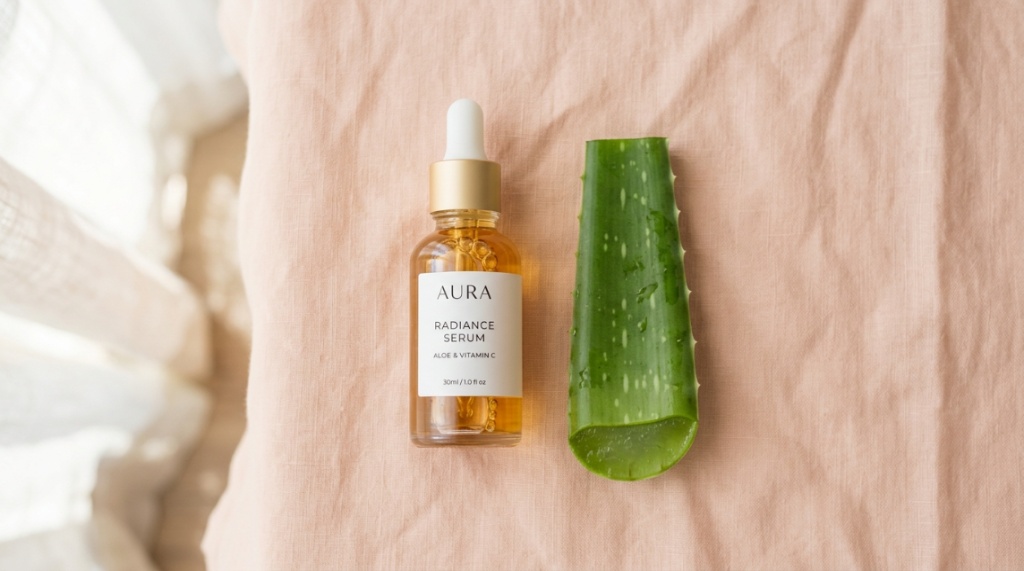
Price does not equal performance. Many affordable serums contain the same high-quality ingredients as expensive brands. The trick is knowing what to look for on the ingredient label and what to ignore.
Key ingredients that combat dullness
Vitamin C is the gold standard for brightness. It inhibits melanin production and fights oxidative stress. Niacinamide strengthens the skin barrier and improves texture. Hyaluronic acid plumps and hydrates. Alpha arbutin and licorice root extract are gentle brighteners. A serum with two or three of these in effective concentrations will outperform a fancy bottle with trendy but weak ingredients.
What to avoid in cheap serums
Not all inexpensive products are good. Avoid serums that list water as the first ingredient followed by alcohol or fragrance. Alcohol strips your barrier, making dullness worse. Fragrance can irritate sensitive skin. Also skip serums that hide their active ingredient percentages. A good formula is transparent about what it contains and in what amount.
Reading labels like a pro
Ingredients are listed in descending order by weight. The first five ingredients make up the bulk of the product. If vitamin C or niacinamide appears after the halfway point, it is not potent enough. Look for stabilized forms of vitamin C, such as ascorbic acid or ethyl ascorbic acid, which remain effective longer. A well-formulated affordable skin glow serum will have these actives listed prominently near the top and will avoid cheap fillers that dilute the formula.
What is the best affordable skin glow serum routine for morning and night?
You can use the same serum twice daily, but how you layer it matters. The order of products determines how well your skin absorbs the active ingredients.
Morning routine for instant radiance
Start with a gentle cleanser to remove overnight buildup. Apply your glow serum to slightly damp skin. Damp skin absorbs actives better than dry skin. Follow with a lightweight moisturizer to seal everything in. Finish with sunscreen. Sunscreen is non-negotiable because brightening ingredients make your skin more sensitive to UV damage, and UV exposure is the fastest way to lose your glow,When looking for the best serum for sensitive skin, it is also essential to address underlying factors that weaken the skin barrier over time—especially What causes the skin to age?, such as UV exposure, loss of collagen, and daily environmental stressors.
Night routine for deep repair
Double cleanse if you wear makeup or sunscreen. Apply the serum after cleansing and before your night cream. At night, your skin repairs itself, and active ingredients work more effectively. You can also add a gentle exfoliant like lactic acid once or twice a week before your serum to boost cell turnover and enhance the serum’s penetration.
How long until you see results
Most people notice a visible difference in skin texture and brightness within two to three weeks of consistent use. Full transformation, including fading dark spots and even tone, takes about six to eight weeks. Patience and consistency matter more than product switching. Stick with your serum through at least one complete skin cycle.
Which affordable brand ingredients should you trust for glowing skin?
You do not need a brand name that costs a hundred dollars per bottle. Several affordable brands prioritize quality ingredients and effective formulations over fancy packaging and celebrity endorsements.
Vitamin C serums that work
Look for serums with L-ascorbic acid at a concentration of 10 to 20 percent. Lower concentrations are less effective, while higher concentrations can irritate. Affordable brands often use ethyl ascorbic acid, which is a more stable derivative that still converts to active vitamin C on the skin. These serums last longer and are gentler while still brightening effectively.
Niacinamide for texture and tone
Niacinamide is a multitasker that reduces pores, smooths texture, and brightens dull areas. It works well with vitamin C and is generally very affordable. A 5 percent concentration is ideal for most skin types. Higher percentages exist but can cause flushing in sensitive individuals. Niacinamide is also excellent for redness and uneven tone.
Hydrating boosters that amplify glow
Serums with glycerin, panthenol, or hyaluronic acid provide the hydration base that makes brightening ingredients visible. Without hydration, even the best brightener looks flat. These ingredients are inexpensive to formulate, so you can find high-quality hydrating serums at any price point.
Can you combine multiple serums for faster results on a budget?
Layering serums can accelerate results, but it also increases the risk of irritation and product waste. You do not need more than two active serums in a single routine.
The stacking rule that prevents irritation
Apply serums from thinnest to thickest consistency. Water-based serums go first, followed by oil-based ones. Wait thirty to sixty seconds between layers so each product absorbs properly. If you use vitamin C and niacinamide, apply them together. The old myth that they cancel each other out has been debunked. They actually work synergistically.
When less is more
Using three or four active serums at once often leads to sensitivity, breakouts, or barrier damage. Stick to one brightening serum and one hydrating serum if needed. Many affordable glow serums already combine vitamin C with hyaluronic acid or niacinamide, so one bottle does the work of two. Check the ingredient list before layering additional products.
Signs you are overdoing it
Redness, stinging, peeling, or breakouts in new areas indicate your barrier is compromised. Scale back to just a cleanser, moisturizer, and sunscreen for a few days. Then reintroduce your serum slowly. One pump every other day is enough until your skin adjusts.
How to maintain glowing skin long-term without spending more
Once you see results, the goal is to keep them. Maintenance is cheaper than fixing problems repeatedly. Small habit shifts make a big difference over months and years.
Consistency over intensity
Using your serum daily in the correct amount is more effective than using a large volume once a week. One pump covers your face and neck. Using more does not speed up results and wastes product. A 30ml bottle of serum used correctly lasts two to three months, making it very cost-effective.
Lifestyle factors that amplify your serum
Sleep on a silk or satin pillowcase to reduce friction and moisture loss. Wash your pillowcases weekly. Eat foods rich in vitamin C and antioxidants like berries, citrus, and leafy greens. Reduce alcohol and sugar intake, which contribute to inflammation and dullness. These changes cost little and support your topical routine from the inside out.
When to switch products
Your skin changes with seasons, hormones, and age. If your serum stops delivering results after several months, your skin may have adapted. Rotate to a different brightening agent like azelaic acid or kojic acid. Alternating ingredients every few months keeps your skin responsive and prevents plateau.
Frequently Asked Questions
Can I use a glow serum if I have oily or acne-prone skin?
Yes. Choose a lightweight, water-based serum with niacinamide and hyaluronic acid. Avoid heavy oils or silicones. Vitamin C serums are also safe for oily skin and can help fade post-acne marks.
How often should I exfoliate while using a glow serum?
Once or twice per week is sufficient. Over-exfoliation disrupts your barrier and reverses glow. Use a gentle chemical exfoliant like lactic acid or PHA rather than harsh scrubs.
Is a glow serum safe during pregnancy?
Most vitamin C and hyaluronic acid serums are safe during pregnancy. Avoid serums containing salicylic acid, retinol, or high concentrations of essential oils. Always check with your healthcare provider first.
Can I use a glow serum without sunscreen?
No. Brightening ingredients increase photosensitivity. Skipping sunscreen allows UV rays to undo all the progress and causes more dullness and dark spots. Use SPF 30 or higher daily.
What is the difference between a glow serum and a face oil?
A glow serum is water-based and delivers active ingredients deep into the skin. Face oils sit on the surface to seal moisture. They are not interchangeable. Use a serum for treatment and an oil only if your skin needs extra occlusion.
Do I need to refrigerate my serum?
Only if the bottle says so. Most modern serums are stabilized. Refrigeration can extend the shelf life of vitamin C serums, but it is not mandatory. Keep your serum away from direct sunlight and heat.
How much should I spend on a good glow serum?
Effective serums range from $10 to $40. The price does not correlate with quality once you pass a baseline formulation cost. Focus on ingredients and concentration rather than brand prestige.
Conclusion
Transforming dull skin does not require a luxury budget, complicated routines, or a dozen fancy bottles. The foundation is simple: a well-formulated serum that delivers brightening and hydrating ingredients directly to your skin, combined with consistent daily habits. Start with a product that includes proven ingredients like vitamin C, niacinamide, or hyaluronic acid at effective concentrations. Apply it correctly morning and night, protect your skin with sunscreen, and give it time to work. Your glow will come not from spending more, but from choosing smarter. Pick the serum that fits your skin type and your budget, commit to the routine, and watch your complexion transform.