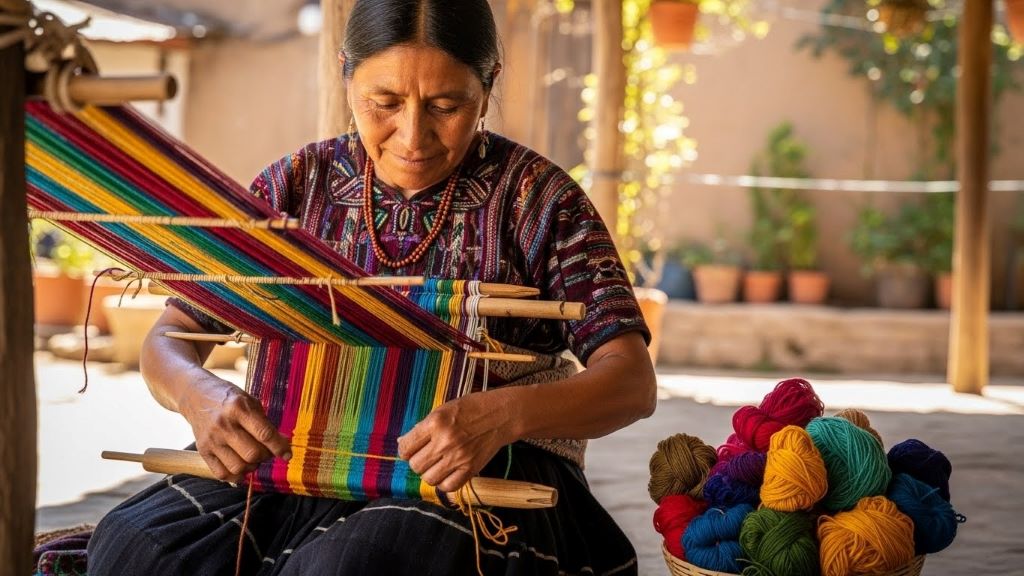
Mexican textiles have woven their way into the global fashion industry with remarkable impact. These vibrant fabrics carry centuries of tradition, storytelling, and artistic excellence. Today, designers worldwide draw inspiration from Mexico’s rich textile heritage, creating pieces that honor indigenous craftsmanship while appealing to modern aesthetics.
The Historical Roots of Mexican Textiles
Mexican fabric traditions date back thousands of years. Indigenous communities developed weaving techniques long before Spanish colonization. These methods passed down through generations, preserving cultural identity and community stories.
Pre-Hispanic civilizations like the Aztecs and Mayans created intricate textiles using natural dyes and hand looms. Cotton and agave fibers formed the foundation of their work. Each region developed distinct patterns and color combinations that identified their community. Therefore, textiles became more than clothing—they represented cultural markers and social status.
The Spanish conquest introduced new materials like wool and silk. However, indigenous communities adapted these materials while maintaining their traditional techniques. This fusion created unique textile traditions that continue today.
Traditional Techniques That Define Mexican Fabrics
Mexican textiles showcase several distinctive weaving and embroidery techniques. The backstrap loom remains one of the oldest methods still in use. Artisans tension the loom using their body weight, creating intricate patterns with remarkable precision.
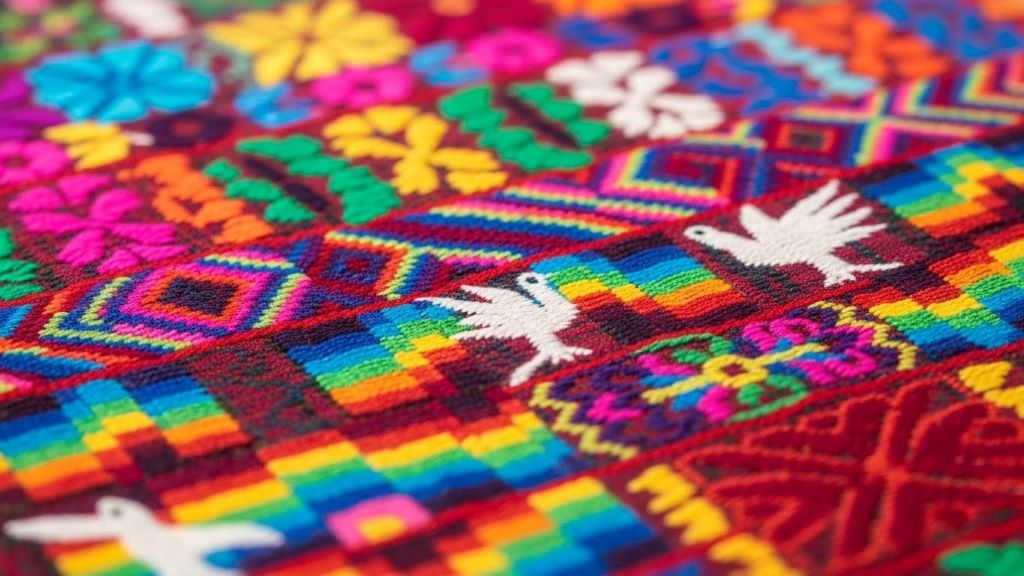
Embroidery styles vary across regions. For instance, Tenango embroidery from Hidalgo features colorful animals and plants stitched onto white fabric. Additionally, Oaxacan textiles display geometric patterns and bold color combinations that reflect Zapotec heritage.
Natural dyeing processes contribute to the authenticity of Mexican fabrics. Cochineal insects produce deep reds and purples. Indigo creates rich blues. Marigold flowers yield golden yellows. These traditional dyes create colors that synthetic alternatives cannot replicate.
Regional Diversity in Mexican Textile Art
Mexico’s textile landscape varies dramatically across its regions. Each area maintains unique traditions that reflect local history and available resources.
Chiapas textiles feature intricate brocade patterns and vibrant colors. The Tzotzil and Tzeltal communities create textiles with symbolic meanings embedded in every thread. Their work often depicts cosmological beliefs and spiritual connections.
Oaxaca stands as a textile powerhouse with multiple indigenous groups contributing distinct styles. The Zapotec people produce wool rugs and blankets with geometric designs. Meanwhile, Mixtec embroidery showcases delicate floral patterns on traditional huipiles.
Puebla offers another textile tradition with its Talavera-inspired patterns. The region blends indigenous techniques with Spanish colonial influences, creating a unique aesthetic that appears in both clothing and home textiles.
Mexican Fabrics Enter Contemporary Fashion
International designers increasingly incorporate Mexican textiles into their collections. This trend reflects growing appreciation for handcrafted quality and cultural authenticity. However, it also raises important conversations about cultural appropriation versus appreciation.
High-end fashion houses have featured Mexican-inspired designs on global runways. These pieces often command premium prices due to the labor-intensive production methods. Consequently, this attention brings economic opportunities to artisan communities when done ethically.
Contemporary Mexican designers lead the movement to showcase their heritage authentically. They create modern silhouettes using traditional fabrics, bridging past and present. Their work demonstrates how cultural elements can evolve without losing their essence.
Fast fashion brands have also adopted Mexican-inspired patterns. Unfortunately, these mass-produced items often lack proper attribution or fair compensation to source communities. This practice has sparked discussions about protecting indigenous intellectual property rights.
The Economic Impact on Artisan Communities
Textile production provides vital income for many Mexican communities. Thousands of families depend on weaving and embroidery for their livelihoods. Therefore, ethical fashion practices directly impact these communities’ economic stability.
Artisan cooperatives have emerged to ensure fair wages and working conditions. These organizations connect craftspeople with international markets while preserving traditional methods. Additionally, they provide training programs to pass skills to younger generations.
Tourism also contributes to textile economies. Visitors purchase authentic pieces directly from artisans, supporting local economies. Markets in cities like Oaxaca and San Cristóbal de las Casas thrive on textile sales, attracting collectors and fashion enthusiasts worldwide.
However, challenges remain. Mass production threatens traditional craftsmanship. Younger generations sometimes seek other employment opportunities, leaving fewer people to continue these traditions. Supporting ethical fashion brands becomes crucial for preserving these cultural practices.
Cultural Appropriation Versus Cultural Appreciation
The line between appropriation and appreciation requires careful navigation. Cultural appropriation occurs when designs are copied without credit, compensation, or understanding of their significance. This practice harms the communities who created these traditions.
The Mexican government has taken steps to protect indigenous designs. In 2020, Mexico’s Secretary of Culture contacted major fashion brands about unauthorized use of indigenous patterns. These actions highlight the importance of respecting cultural intellectual property.
Appreciation involves collaboration, fair compensation, and proper attribution. Brands that work directly with artisan communities create mutually beneficial relationships. They honor the cultural significance while providing economic opportunities.
Consumers play a vital role in this dynamic. Purchasing from ethical sources that credit and compensate artisans supports cultural preservation. Additionally, educating oneself about the origins and meanings of textile patterns demonstrates respect for these traditions.
According to Smithsonian Magazine, indigenous textile traditions worldwide face similar challenges as global fashion increasingly draws from these rich cultural resources.
Sustainability and Traditional Textile Methods
Mexican textile traditions align perfectly with sustainable fashion movements. Traditional methods use natural materials and dyes, creating minimal environmental impact. Moreover, these techniques produce durable items designed to last generations.
The slow fashion movement embraces handcrafted Mexican textiles. Each piece requires hours or even weeks to complete. This investment of time creates garments with inherent value beyond trends. Consequently, buyers develop deeper connections with their clothing.
Natural dyeing processes avoid toxic chemicals found in industrial textile production. Plants, insects, and minerals provide colors without polluting water sources. These traditional methods offer solutions for fashion’s environmental challenges.
Textile cooperatives often implement environmental protection measures. They harvest dye materials sustainably and manage natural resources responsibly. Their practices demonstrate how traditional knowledge can inform contemporary sustainability efforts.
The Future of Mexican Textiles in Fashion
Mexican fabrics continue gaining recognition in global fashion circles. This trend appears likely to strengthen as consumers seek authenticity and cultural connections. However, ensuring this growth benefits source communities remains essential.
Educational initiatives help preserve traditional techniques. Schools and workshops teach younger generations these valuable skills. Additionally, documenting methods ensures knowledge survives even as practitioners age.
Technology offers new opportunities for artisan communities. Online marketplaces connect craftspeople with global customers directly. Social media platforms allow artisans to share their stories and build personal brands. Therefore, digital tools empower communities while maintaining traditional practices.
Collaborations between traditional artisans and contemporary designers create exciting possibilities. These partnerships produce innovative designs that honor heritage while appealing to modern tastes. When executed ethically, they benefit all parties involved.
The Fashion Revolution movement advocates for transparency in fashion supply chains, which helps protect artisan communities and their traditional practices.
Conclusion
Mexican fabrics represent far more than beautiful patterns and vibrant colors. They embody centuries of cultural knowledge, artistic excellence, and community identity. As these textiles gain prominence in fashion design, respecting their origins becomes paramount. Supporting ethical practices ensures these traditions continue thriving for future generations. Therefore, every purchase becomes an opportunity to preserve cultural heritage while celebrating Mexico’s remarkable textile artistry. The fashion industry’s relationship with Mexican fabrics will shape both cultural preservation and economic opportunities for countless artisan communities.
Frequently Asked Questions
What makes Mexican fabrics unique in fashion design?
Mexican fabrics stand out due to their handcrafted quality, traditional techniques, and cultural symbolism. Each piece reflects centuries of knowledge passed through generations. The use of natural dyes, backstrap looms, and region-specific patterns creates textiles that cannot be replicated by machines.
How can I ensure I’m buying authentic Mexican textiles ethically?
Purchase directly from artisan cooperatives or certified ethical brands that provide fair compensation. Look for transparency about the origin of pieces and the communities involved. Authentic items typically include information about the artisans and their techniques.
What are the most common traditional Mexican textile techniques?
The most prominent techniques include backstrap loom weaving, brocade, and various embroidery styles like Tenango and Mazahua. Natural dyeing using cochineal, indigo, and plant materials also defines traditional Mexican textiles. Each technique varies by region and indigenous community.
Why are authentic Mexican textiles expensive?
Authentic pieces require extensive hand labor, sometimes taking weeks or months to complete. Artisans use traditional methods and natural materials that increase production time. Additionally, fair wages for skilled craftspeople contribute to the cost. This investment reflects the true value of handcrafted artistry.
How is Mexico protecting its textile traditions from cultural appropriation?
Mexico has implemented legal measures to protect indigenous designs and patterns. The government has contacted fashion brands about unauthorized use of cultural elements. Additionally, artisan cooperatives work to educate consumers and establish fair trade practices that honor cultural origins.
Related Topics:
Beat the Heat in Style: Heat-Proof Fashion Tips for Humid Regions
Stop Pants From Riding Up: Walk Comfortably with These Proven Tips