Keeping your workout essentials safe and dry has become a priority for fitness enthusiasts everywhere. Whether you’re heading to the gym after work, training outdoors, or traveling to competitions, protecting your belongings from moisture and unpleasant smells matters. A quality waterproof gym bag serves as your first line of defense against wet clothes, spilled water bottles, and the elements.
Many people underestimate the importance of choosing the right bag for their fitness routine. However, investing in proper protection for your gear can extend the life of your equipment and keep everything fresh. This guide will walk you through everything you need to know about selecting and using the perfect bag to safeguard your workout essentials.
Understanding Waterproof Technology in Gym Bags
Modern gym bags incorporate various technologies to keep moisture at bay. The most effective designs use specialized materials that repel water while maintaining breathability. Manufacturers typically employ coated fabrics, sealed seams, and water-resistant zippers to create comprehensive protection.
Additionally, different waterproofing methods offer varying levels of security. Some bags feature external coatings that bead water off the surface. Others use laminated fabrics with waterproof membranes sandwiched between layers. The best options combine multiple protective features for maximum reliability.
Understanding these technologies helps you make informed decisions. Not all waterproof claims are created equal, and knowing what to look for ensures you get genuine protection. Therefore, examining the construction details before purchasing saves disappointment later.
Key Features That Make Gym Bags Truly Protective
Several essential characteristics separate excellent protective bags from mediocre options. First, look for welded or taped seams rather than simple stitching. Water can seep through needle holes in traditional seams, but sealed construction prevents this issue.
Second, quality zippers make an enormous difference. Standard zippers create gaps where moisture penetrates easily. Water-resistant or waterproof zippers use special designs with protective flaps or coating to maintain the seal. These components cost more but deliver superior performance.
Ventilation also plays a crucial role in maintaining freshness. A sweatproof gym bag should include mesh panels or ventilation systems that allow air circulation without compromising water resistance. This feature prevents moisture buildup from sweaty clothes and creates a healthier environment inside the bag.
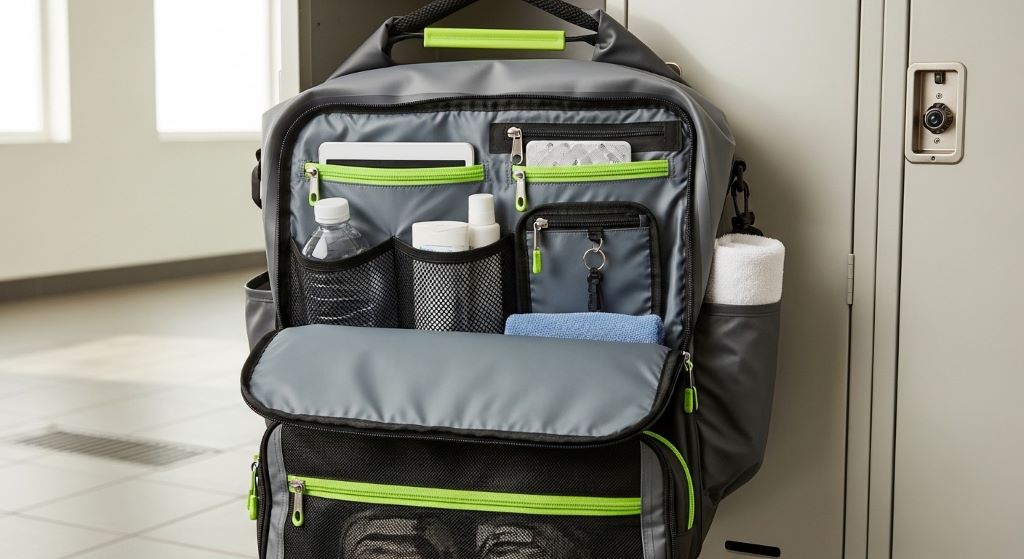
Furthermore, compartmentalization helps organize items and isolate wet gear from dry belongings. Separate pockets for shoes, dirty clothes, and clean items prevent cross-contamination. Many advanced designs include designated wet compartments with their own waterproof lining.
Materials That Resist Moisture and Odors
The fabric composition determines how well your bag performs over time. Polyester and nylon serve as the foundation for most quality gym bags because they naturally resist water absorption. However, manufacturers enhance these base materials with additional treatments.
Ripstop fabrics add durability while maintaining water resistance. The reinforced weave pattern prevents tears from spreading, which could compromise the waterproofing. This construction method proves especially valuable for bags that see heavy daily use.
Modern antimicrobial treatments integrated into fabric fibers help create an odor resistant bag environment. These treatments inhibit bacterial growth that causes unpleasant smells. Some manufacturers use silver ion technology, while others employ chemical treatments that remain effective through multiple washes.
Canvas treated with waterproof coatings offers a more traditional aesthetic with modern performance. Although heavier than synthetic options, treated canvas provides excellent protection and develops character over time. The key lies in ensuring the treatment penetrates deeply rather than sitting on the surface.
Choosing the Right Size for Your Needs
Size selection impacts both functionality and convenience significantly. A bag that’s too small forces you to leave items behind or pack inefficiently. Conversely, an oversized bag becomes cumbersome and encourages overpacking.
Consider your typical workout routine when evaluating capacity. If you shower at the gym, you need space for toiletries, towels, and change of clothes. Athletes carrying specialized equipment require additional room for shoes, knee sleeves, or other gear.
Duffle-style bags typically range from 20 to 60 liters in capacity. A 30-liter bag suits most casual gym-goers perfectly, providing ample space without excess bulk. Serious athletes or those packing for multi-day trips might prefer 50-liter options or larger.
Backpack-style gym bags offer different advantages, particularly for cyclists or those using public transportation. These designs distribute weight more evenly across your shoulders, reducing strain during commutes. Therefore, consider your transportation method alongside storage needs.
Maintenance Tips for Long-Lasting Protection
Proper care extends the functional life of your waterproof bag considerably. After each use, empty all compartments completely and shake out debris. Small particles left inside can damage the waterproof lining or create odor problems over time.
Air drying represents the most important maintenance step. Turn the bag inside out and hang it in a well-ventilated area after every workout. This practice prevents moisture accumulation and discourages bacterial growth. Never store a damp bag in enclosed spaces like car trunks or closets.
Cleaning your bag regularly maintains both appearance and performance. Most waterproof bags can be spot-cleaned with mild soap and water. For deeper cleaning, hand wash in cool water with gentle detergent. Avoid machine washing unless the manufacturer specifically approves it, as agitation can damage waterproof coatings.
Additionally, inspect seams and zippers periodically for wear. Small issues caught early can often be repaired before they compromise the entire bag. Many outdoor retailers offer seam sealing products that restore protection to vulnerable areas.
Organizing Your Gear for Maximum Protection
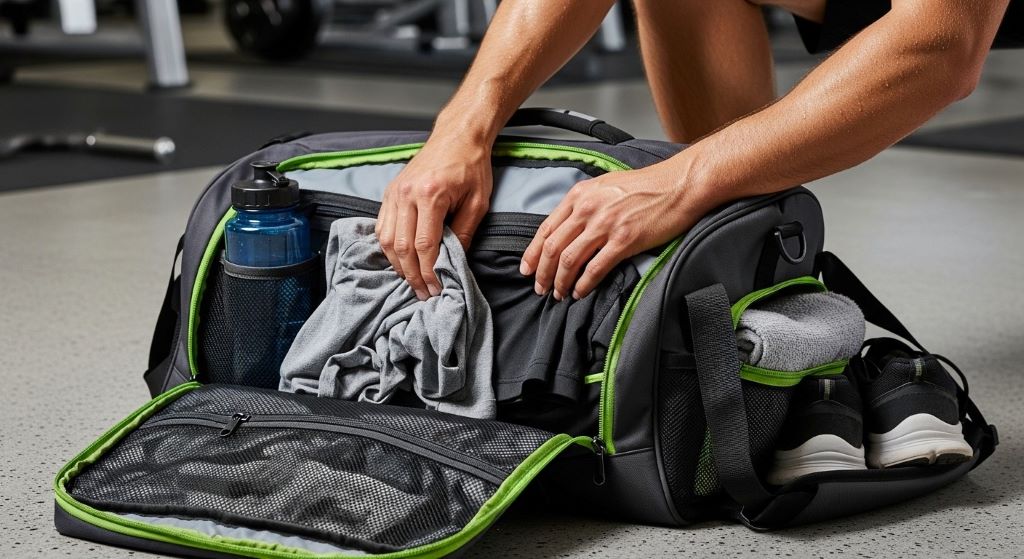
Strategic packing preserves both your belongings and the bag itself. Place wet or sweaty items in designated compartments immediately after your workout. This separation prevents moisture from spreading to dry clothes, electronics, or other sensitive items.
Use smaller pouches or packing cubes to organize accessories like headphones, keys, and charging cables. This organization protects small items from getting lost and prevents them from scratching devices or poking holes in the bag lining.
Heavy items should sit at the bottom of the bag, closest to your body if using a backpack style. This weight distribution improves balance and comfort during transport. Shoes warrant special attention since they often carry the most dirt and bacteria.
Many people appreciate having external pockets for water bottles. However, ensure these pockets drain properly if bottles sweat or leak. Some designs include mesh external pockets that allow drainage while keeping bottles accessible.
Special Considerations for Different Activities
Different sports and activities demand specific features from protective gym bags. Swimmers need completely waterproof compartments that seal shut entirely, preventing pool water from damaging electronics or documents. Look for bags with roll-top closures or completely sealed wet compartments.
Outdoor fitness enthusiasts require bags that handle rain, mud, and varied terrain. Reflective elements improve visibility during early morning or evening runs. Reinforced bottoms protect against abrasion when setting bags on rough surfaces.
Crossfit and weightlifting athletes benefit from bags with reinforced handles and bases. These features support the weight of belts, wraps, and other accessories without stretching or tearing. Some designs include external loops for clipping additional gear.
Business professionals combining workouts with office schedules appreciate bags with laptop compartments. These sections should feature extra padding and complete separation from potentially wet gym clothes. A sweatproof gym bag with professional aesthetics serves dual purposes seamlessly.
Budget Considerations Without Compromising Quality
Price points for protective gym bags vary dramatically, from under thirty dollars to several hundred. However, cost doesn’t always correlate directly with performance. Understanding what you’re paying for helps identify genuine value.
Entry-level bags often provide adequate basic waterproofing for casual users. These options may lack advanced features like antimicrobial treatments or premium zippers but still offer decent moisture protection. They work well for people starting fitness routines or those on tight budgets.
Mid-range bags typically incorporate better materials and construction methods. You’ll find improved waterproofing, better compartmentalization, and enhanced durability in this category. Most regular gym-goers find their ideal balance of features and affordability here.
Premium bags justify higher prices through superior materials, innovative designs, and extended warranties. These investments make sense for serious athletes who use their bags daily and demand peak performance. The cost per use often proves reasonable when the bag lasts for years.
Environmental Impact and Sustainable Options
Growing awareness of environmental issues has influenced gym bag manufacturing. Many companies now offer products made from recycled materials without sacrificing waterproof performance. Recycled polyester, for instance, provides the same water resistance as virgin material while reducing environmental impact.
Durable construction itself represents an environmental choice. A well-made bag that lasts five years produces less waste than cheaper alternatives requiring annual replacement. Therefore, viewing quality as an environmental consideration makes economic and ecological sense.
Some manufacturers have eliminated harmful chemicals from their waterproofing treatments. Traditional fluorinated compounds effectively repel water but persist in the environment. Newer technologies achieve similar results using safer alternatives. Look for bags certified by environmental standards organizations.
Repair programs offered by some brands extend product life even further. When zippers break or seams fail, repair services restore functionality rather than forcing disposal. This approach reduces waste while maintaining the investment value of quality bags.
Smart Features That Enhance Functionality
Technology integration has transformed modern gym bags beyond simple storage. USB charging ports built into bag straps allow phone charging while commuting. These features require connecting a power bank inside the bag, but they offer convenient access to power.
Shoe compartments with ventilation grilles keep dirty footwear separate while allowing airflow. This design element addresses one of the most common odor sources in gym bags. Some versions include removable, washable liners for easier cleaning.
Reflective strips or LED attachment points improve safety for people exercising or commuting in low-light conditions. Visibility prevents accidents and adds peace of mind during early morning or evening activities.
Anti-theft features like lockable zippers and RFID-blocking pockets protect valuables in crowded gyms or public spaces. While not directly related to waterproofing, these elements contribute to overall gear protection and user confidence.
Common Mistakes to Avoid
Many people undermine their bag’s protective features through poor habits. Leaving zippers partially open negates waterproofing entirely, yet it happens frequently. Always close all compartments completely, even during short trips.
Storing food in gym bags invites pest problems and accelerates odor development. Even seemingly well-sealed containers can leak or leave scent traces. Keep nutrition separate in dedicated lunch bags or consume food before packing your gym gear.
Ignoring weight limits strains seams and zippers, creating failure points where water can enter. An odor resistant bag stuffed beyond capacity can’t function properly and develops problems faster. Pack only what you truly need for each workout.
Using harsh cleaning chemicals damages waterproof coatings and antimicrobial treatments. Stick to mild soap and cool water for maintenance. Similarly, exposing bags to extreme heat, such as leaving them in hot cars, can degrade protective materials over time.
When to Replace Your Gym Bag
Even the best protective bags eventually reach the end of their useful life. Recognizing replacement time prevents being caught unprepared with damaged gear. Visible tears or holes in the fabric clearly indicate the need for a new bag.
Zipper failure represents another common end-of-life issue. When zippers no longer close properly or teeth separate easily, moisture protection disappears. While some zipper problems can be repaired, extensive damage usually warrants replacement.
Persistent odors that remain despite thorough cleaning suggest the antimicrobial properties have failed. A sweatproof gym bag should control smells effectively when properly maintained. If washing no longer eliminates odors, the internal environment has become compromised.
Delamination of waterproof coatings appears as peeling or flaking on interior surfaces. This deterioration occurs naturally over years of use but signals declining protective capability. Once coatings fail, the bag can no longer keep moisture out effectively.
Conclusion
Protecting your workout gear requires more than grabbing any bag off the shelf. Understanding waterproof technologies, material properties, and proper maintenance ensures your belongings stay dry and fresh. Whether you need a sweatproof gym bag for daily training or an odor resistant bag for intensive workouts, the right choice depends on your specific needs and activities.
Size, features, and construction quality all factor into finding the perfect protective bag. While budget considerations matter, investing in durability and genuine waterproof capability pays dividends through extended use. Moreover, proper care and strategic packing maximize your bag’s protective potential and longevity.
Remember that even the best bag requires appropriate use and maintenance. Close zippers completely, air dry after each use, and clean regularly to preserve protective features. By following these guidelines and choosing quality construction, you’ll keep your gear protected for years of workouts to come.
Frequently Asked Questions
Can I machine wash my waterproof gym bag?
Most waterproof gym bags should not be machine washed, as the agitation can damage protective coatings and sealed seams. Instead, hand wash with mild soap and cool water, then air dry completely. Always check the manufacturer’s care instructions before attempting any cleaning method.
How do I eliminate stubborn odors from my gym bag?
For persistent smells, try placing an open box of baking soda inside the bag overnight. You can also spray the interior with a mixture of water and white vinegar, then air dry thoroughly in sunlight. Some bags allow you to remove and wash antimicrobial liners separately for deeper cleaning.
Are waterproof gym bags suitable for air travel?
Yes, waterproof gym bags work excellently for air travel, protecting your belongings from spills and moisture during transit. However, verify the bag’s dimensions meet carry-on requirements for your airline. The waterproof features also help during security checks when liquid containers might leak.
What’s the difference between water-resistant and waterproof bags?
Water-resistant bags repel light moisture and brief exposure but will eventually allow water through during sustained contact. Waterproof bags provide complete protection even when fully submerged, using sealed seams and waterproof zippers. For gym use, water-resistant often suffices, but waterproof offers superior protection.
How long should a quality gym bag last?
With proper care, a well-constructed gym bag should last three to five years of regular use. Factors affecting longevity include usage frequency, weight carried, cleaning habits, and storage conditions. Premium bags with reinforced construction and quality materials often exceed five years of reliable service.
Related Topics: