Finding the perfect pair of running shoes can transform your entire athletic experience. Whether you’re training for a marathon or simply enjoy morning jogs, the right footwear makes every step feel effortless. Many runners struggle with discomfort, blisters, and fatigue simply because they haven’t learned how to choose shoes that truly support their needs.
The journey to finding comfortable running footwear doesn’t have to be complicated. However, it does require understanding your unique foot structure, running style, and personal preferences. This comprehensive guide will walk you through everything you need to know about selecting shoes that keep your feet happy from sunrise to sunset.
Understanding Your Foot Type
Before stepping into any store, you need to understand your foot’s natural structure. Everyone has a unique foot shape, and recognizing yours is the foundation of finding the right fit.
Start by examining your arch type. You can perform a simple wet test at home. Wet your foot, step on a piece of dark paper, and examine the footprint. A complete footprint indicates flat feet, while a thin connection between heel and forefoot suggests high arches. A moderate curve shows neutral arches.
Flat feet typically roll inward excessively when running, a movement called overpronation. High arches often lead to underpronation, where feet don’t roll inward enough. Neutral arches generally maintain a balanced rolling motion. Understanding this helps you select shoes with appropriate support levels.
Additionally, measure both feet while standing. Many people have one foot slightly larger than the other. Always fit shoes to your larger foot to prevent cramping and discomfort during longer runs.
Analyzing Your Running Gait
Your running gait significantly influences which shoes will serve you best. The way your foot strikes the ground affects everything from comfort to injury prevention.
Most runners fall into three categories: heel strikers, midfoot strikers, or forefoot strikers. Heel strikers need extra cushioning in the heel area. Midfoot strikers benefit from balanced cushioning throughout. Forefoot strikers require flexibility and cushioning in the front portion of the shoe.
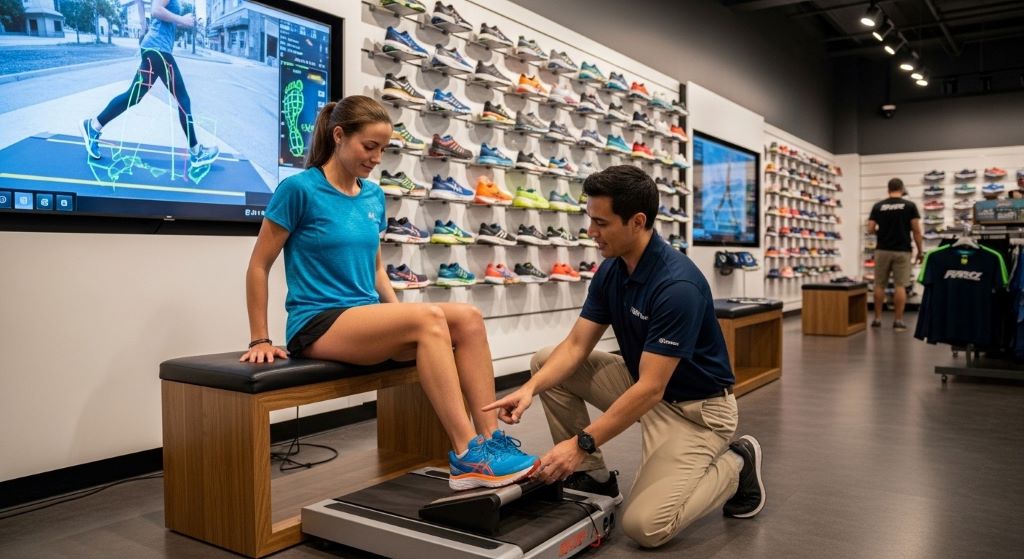
Visit a specialty running store where staff can analyze your gait on a treadmill. This analysis reveals your strike pattern and pronation tendencies. Many stores offer this service free of charge, providing valuable insights that guide your selection process.
Furthermore, consider your running surfaces. Trail runners need different features than road runners. Concrete demands more cushioning than softer surfaces like tracks or grass. Think about where you run most frequently when making your decision.
Evaluating Cushioning Systems
Cushioning technology has evolved dramatically in recent years. Modern daily running shoes incorporate sophisticated materials designed to absorb impact while maintaining responsiveness.
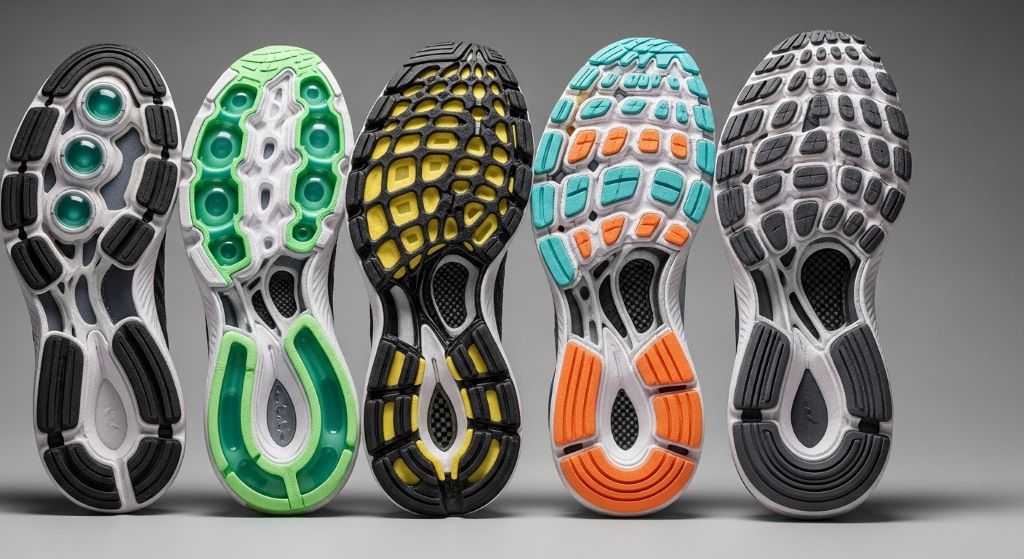
Different brands use various cushioning systems. Some employ foam compounds that compress and rebound quickly. Others use gel inserts or air pockets to disperse impact forces. Each system offers distinct benefits, so understanding these differences helps you make informed choices.
Lightweight runners might prefer firmer cushioning that offers better ground feel. Heavier runners typically need more substantial cushioning to protect joints from excessive impact. Your body weight directly influences how much cushioning provides optimal comfort.
Additionally, consider cushioning placement. Some shoes concentrate cushioning in the heel, while others distribute it evenly. Think about your strike pattern when evaluating where you need maximum shock absorption.
Assessing Support and Stability Features
Support features help control foot motion and prevent excessive rolling. However, not everyone needs the same level of support in their comfortable running footwear.
Neutral runners with efficient gaits often thrive in neutral shoes without extra support structures. These shoes allow natural foot movement while providing cushioning and protection. Overpronators benefit from stability shoes featuring medial posts or guide rails that gently correct inward rolling.
Severe overpronators might require motion control shoes with maximum support. These shoes use firmer materials and structured designs to significantly limit excessive motion. Nevertheless, many runners find lighter stability features sufficient for comfortable, injury-free running.
Test support features by pressing on the midsole. Stability shoes have firmer sections along the inner edge. Also, examine the heel counter—the rigid cup around your heel. A supportive heel counter prevents excessive movement without feeling restrictive.
Determining Proper Fit
Even the most advanced shoe fails if it doesn’t fit properly. Achieving the right fit requires attention to several specific measurements and sensations.
Always leave a thumbnail’s width between your longest toe and the shoe’s end. Your feet swell during running, especially on longer distances. This extra space prevents black toenails and general discomfort as your feet expand.
The midfoot should feel snug but never tight. Your foot shouldn’t slide around inside the shoe, yet you should be able to wiggle your toes freely. The heel should stay locked in place without rubbing or slipping.
Try shoes later in the day when feet are naturally more swollen. Wear the socks you plan to run in during fitting sessions. Walk around the store, jog if possible, and pay attention to any pressure points or unusual sensations.
Considering Weight and Flexibility
Shoe weight affects your running efficiency and comfort over long distances. Lighter shoes reduce energy expenditure, while heavier shoes often provide more cushioning and support.
Daily training shoes typically weigh between 8 and 12 ounces. Lighter options suit faster-paced workouts, whereas heavier shoes excel during easy runs and long distances. Consider your training purposes when balancing weight against cushioning needs.
Flexibility matters too. Bend the shoe at the ball of the foot. It should flex naturally where your foot bends during push-off. Shoes that bend in the wrong places or feel too stiff can cause discomfort and inefficient running mechanics.
Moreover, torsional rigidity prevents excessive twisting. Hold the heel and toe, then try twisting the shoe. Some resistance is good, indicating the shoe will support your foot through the gait cycle. Too much flexibility can lead to instability.
Examining Breathability and Materials
Upper materials significantly impact comfort, particularly during longer runs or warm weather. Modern shoes use engineered mesh and knit materials that balance breathability with support.
Look for uppers with strategic ventilation zones. These areas allow heat and moisture to escape while maintaining structure where support is needed. Mesh panels should be plentiful but not compromise the shoe’s ability to hold your foot securely.
Seamless construction reduces friction and prevents blisters. Many modern shoes eliminate traditional stitching in favor of welded overlays or one-piece knit uppers. Feel inside the shoe for any rough spots that might cause irritation.
Water-resistant materials benefit runners in wet climates. However, remember that waterproof shoes also trap moisture from sweat. Consider your typical running conditions when deciding between maximum breathability and weather protection.
Testing Durability Indicators
Quality shoes represent an investment in your running health. Therefore, evaluating durability helps ensure you get good value from your purchase.
Examine the outsole rubber. Thicker rubber in high-wear areas like the heel extends shoe life. Carbon rubber lasts longer than blown rubber but feels slightly firmer. Many shoes use both types strategically for optimal durability and comfort.
Check stitching quality and glue application. Sloppy construction suggests the shoes might not hold up well. Reputable brands typically maintain high manufacturing standards, but inspecting individual pairs never hurts.
Most running shoes last between 300 and 500 miles. Heavier runners or those with inefficient gaits may see the lower end of this range. Track your mileage to replace shoes before cushioning completely breaks down.
Understanding Break-In Periods
Unlike casual shoes, quality running shoes require minimal break-in time. They should feel comfortable immediately, though they may feel even better after a few runs.
Take new shoes on short runs initially. This allows your feet to adjust while helping you identify any problems before committing to longer distances. Pay attention to any rubbing, pressure points, or unusual sensations during these test runs.
If discomfort persists after three or four runs, the shoes probably aren’t right for you. Don’t force yourself to adapt to uncomfortable footwear. Many retailers offer return policies specifically for this reason.
Additionally, rotate between two pairs if possible. This gives cushioning time to fully rebound between runs and extends the life of both pairs. Alternating shoes also helps prevent repetitive stress injuries.
Matching Shoes to Your Running Goals
Different running activities demand different shoe characteristics. Your training schedule and goals should influence your selection process.
Daily training requires versatile, durable shoes that handle various paces and distances comfortably. These workhorse shoes prioritize cushioning and support over weight savings. They’re designed to accumulate hundreds of miles while keeping your feet fresh.
Speed workouts benefit from lighter, more responsive shoes. Racing flats or tempo shoes sacrifice some cushioning for better ground feel and reduced weight. However, these shouldn’t be your only shoes unless you’re an experienced runner with excellent biomechanics.
Recovery runs pair well with maximum-cushioned shoes. These extra-soft options help tired legs recover from hard training. Many runners keep a rotation including different shoes for different workout types.
Exploring Brand Differences
Every major brand approaches running shoe design differently. Understanding these philosophies helps narrow your options.
Some brands prioritize natural running mechanics with minimal interference. Others focus on maximum cushioning and support. Certain manufacturers excel at specific shoe types, like stability shoes or lightweight trainers.
Don’t feel obligated to stick with one brand. Your perfect shoe might come from a manufacturer you’ve never tried. Moreover, brands frequently update models, and your favorite shoe from last year might not fit the same way in its new version.
Try shoes from multiple brands during shopping trips. You might discover that certain brands consistently fit your foot shape better. This knowledge streamlines future shoe purchases while ensuring better comfort.
Reading Reviews Wisely
Online reviews provide helpful insights but require careful interpretation. Not all feedback applies to your specific situation.
Look for reviews from runners with similar characteristics to yours. A lightweight, experienced runner’s opinion might not match what you need if you’re heavier or just starting. Pay attention to comments about fit, durability, and comfort rather than performance metrics.
Professional reviews from running magazines offer technical analysis. These reviews test shoes across various conditions and runners. They provide objective data about weight, cushioning height, and support features.
However, remember that your personal experience matters most. Reviews guide your research, but only you can determine if a shoe truly delivers the comfort you need.
Timing Your Purchase
Shopping strategies can significantly impact your shoe-buying experience and budget. Smart timing ensures better selection and potentially lower prices.
Visit stores during weekday mornings when they’re less crowded. Staff can dedicate more time to helping you find the perfect fit. You’ll also have access to the full inventory before popular sizes sell out.
Previous model year shoes often go on sale when new versions release. These older models provide excellent value if they fit well. The updates between versions are often minor, making last year’s shoe just as comfortable as the latest release.
Additionally, many retailers offer seasonal sales around major holidays. Plan ahead to take advantage of these opportunities. However, never compromise fit for price. Comfortable running footwear that fits perfectly at full price beats cheaper shoes that cause problems.
Conclusion
Selecting the right running shoes transforms your training from a painful chore into an enjoyable activity. By understanding your foot type, analyzing your gait, and carefully evaluating cushioning, support, and fit, you’ll find daily running shoes that keep your feet comfortable mile after mile.
Remember that the most expensive or popular shoe isn’t automatically the best choice for you. Your unique biomechanics and running style determine which features matter most. Take time to test different options, ask questions, and trust your feet’s feedback during the selection process.
Invest in quality footwear that matches your specific needs. Your feet carry you through thousands of steps during each run, and they deserve shoes that provide reliable comfort and support. With the knowledge you’ve gained here, you’re ready to find running shoes that make every step feel effortless.
Frequently Asked Questions
How often should I replace my running shoes?
Replace running shoes every 300 to 500 miles, depending on your weight, running style, and the surfaces you run on. Track your mileage and watch for signs of wear like compressed cushioning, worn outsoles, or decreased comfort. Many runners keep multiple pairs in rotation to extend each shoe’s lifespan.
Do I need different shoes for treadmill and outdoor running?
While you can use the same shoes for both, treadmill running is less demanding on shoes due to the softer, consistent surface. Outdoor running, especially on concrete or trails, requires more cushioning and durability. Consider your primary running surface when selecting shoes to ensure adequate protection.
Should running shoes feel tight or loose?
Running shoes should feel snug in the midfoot and heel while allowing toe movement. Leave about a thumbnail’s width of space between your longest toe and the shoe’s end. The shoe shouldn’t slip at the heel, but your foot should never feel compressed or restricted anywhere.
Can I use running shoes for walking or everyday wear?
Yes, running shoes work excellently for walking and casual wear. However, using them exclusively for running extends their lifespan and ensures maximum cushioning protection when you need it most. If you walk extensively in your running shoes, consider replacing them more frequently.
What’s the difference between men’s and women’s running shoes?
Women’s shoes typically feature narrower heels, wider forefeet, and different cushioning ratios to account for biomechanical differences. However, some women prefer men’s shoes for wider feet, and some men choose women’s shoes for narrower fits. Focus on fit rather than gender designation when selecting shoes.
Related Topics:
How to Encourage Your Kids to Get Active
11 reasons to exercise at night