
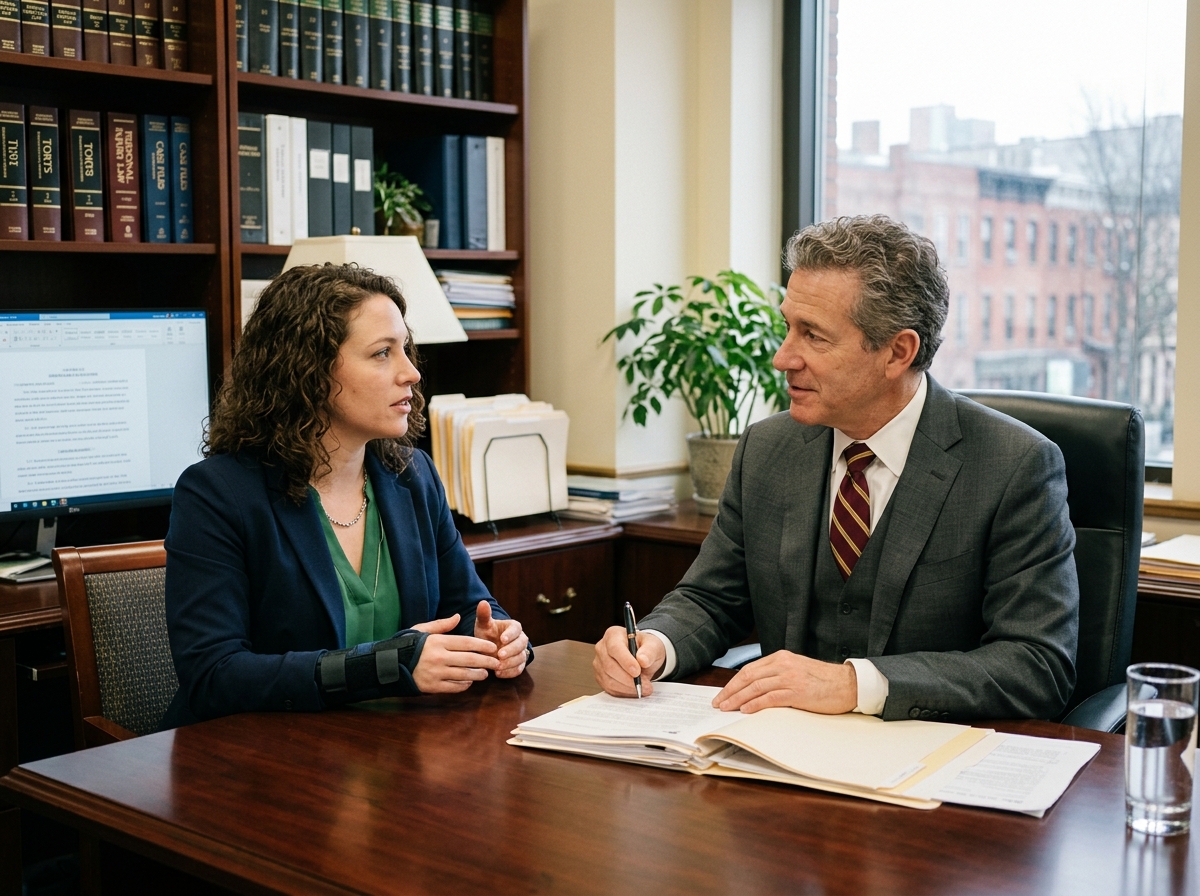
A serious fall on someone else’s property can leave more than visible injuries. The harder question is often whether the owner knew about the danger, had time to fix it, and failed to protect visitors. A skilled personal injury attorney studies the property, the records, and the injury timeline to determine whether negligence can be proven with facts.
Showing the Property Owner Had a Responsibility to Keep the Area Safe
Negligence begins with a duty of care. Stores, restaurants, apartment complexes, office buildings, hotels, medical facilities, and other public spaces generally must keep walking areas reasonably safe for customers, tenants, guests, and visitors.
Responsibility may not always belong to the most obvious business. A personal injury lawyer may review leases, management contracts, cleaning agreements, maintenance records, and ownership documents to identify who controlled the area where the injury happened.
Proving the Hazard Was Real, Not Just a Minor Defect
A property owner may argue that a crack, spill, loose mat, or uneven surface was too small to matter. Photos, measurements, video, and witness accounts can show whether the condition created an actual danger for people walking through the area.
Hazards can be more serious than they look in a quick photo. Poor lighting, crowding, distractions, rainwater, floor color, shadows, or blocked sightlines may make a defect much harder to see before someone falls.
Finding Evidence the Owner Knew or Should Have Known
Notice is often a key issue in premises liability claims. A personal injury attorney looks for proof that the owner knew about the hazard or should have discovered it through reasonable inspections.
Evidence may include customer complaints, tenant emails, employee reports, prior incident records, work orders, repair invoices, or security footage. Someone searching for a personal injury lawyer near me after a fall may need quick help preserving these records before they are deleted, altered, or misplaced.
Reviewing Maintenance and Inspection Records for Gaps
Businesses often have written safety policies, but those policies only matter if staff follows them. Inspection logs may show whether floors, stairs, sidewalks, entryways, and parking areas were checked before the accident.
Missing entries can raise important questions. A personal injury lawyer in Huntsville AL may compare the owner’s claimed inspection routine with actual records to see whether cleaning, repairs, or safety checks were skipped.
Using Video Footage to Build the Timeline
Security footage can show what happened before and after the fall. Video may reveal how long a spill sat on the floor, whether employees walked past it, whether warning signs were missing, or whether repairs were made shortly after the injury.
Camera footage does not have to show the fall perfectly to be useful. A personal injury lawyer may use timestamps, employee movement, customer behavior, and cleanup activity to build a stronger timeline.
Connecting the Unsafe Condition to the Physical Injury
A valid claim needs more than proof that a hazard existed. The evidence must connect that hazard to the injury being claimed.
Medical records help make that connection. Emergency room notes, imaging results, orthopedic evaluations, physical therapy records, and work restrictions can show how the fall caused fractures, torn ligaments, back injuries, head trauma, shoulder damage, or other harm.
Responding to Claims That the Victim Was at Fault
Insurance companies often argue that the injured person should have seen the danger, walked more carefully, worn different shoes, or avoided the area. These arguments can shift attention away from poor maintenance or missing warnings.
A personal injury attorney may review lighting, warning sign placement, floor conditions, witness statements, camera angles, and the injured person’s path of travel. Accident attorneys near me can also examine whether the hazard was truly obvious or only became clear after the fall.
Showing Warnings Were Missing, Late, or Poorly Placed
Warning signs can affect liability, but only when they actually warn people before reaching the hazard. A cone hidden behind a display, a sign facing the wrong direction, or caution tape placed after the accident may not protect the property owner.
Barriers may be needed when a danger cannot be fixed right away. Wet floors, broken stairs, loose tiles, or unstable walkways may require the area to be blocked instead of merely marked with a small sign.
Calculating the Full Damage Caused by the Negligence
Damages include more than the first medical bill. A skilled attorney reviews hospital charges, therapy costs, prescriptions, future treatment, lost wages, reduced work ability, pain, mobility limits, and long-term recovery needs.
Financial harm can continue after the visible injury improves. A personal injury lawyer may use medical records, employer statements, pay history, and doctor restrictions to show how the accident affected both health and income.
Building the Claim Before Evidence Disappears
Negligence is easier to prove when evidence is gathered early. Photos, videos, incident reports, witness names, maintenance logs, and medical records can help show what the owner did or failed to do before the injury.
An experienced attorney at Wolfe Jones can examine the details that often decide a premises liability claim, including notice, repairs, missing warnings, safety records, and the connection between the hazard and the injury. Their Huntsville personal injury team can identify which evidence should be preserved, challenge blame-shifting from insurers, and calculate losses tied to medical care, missed income, and long-term recovery. By building the case around facts instead of assumptions, Wolfe Jones helps injured people understand how property owner negligence may be proven.
