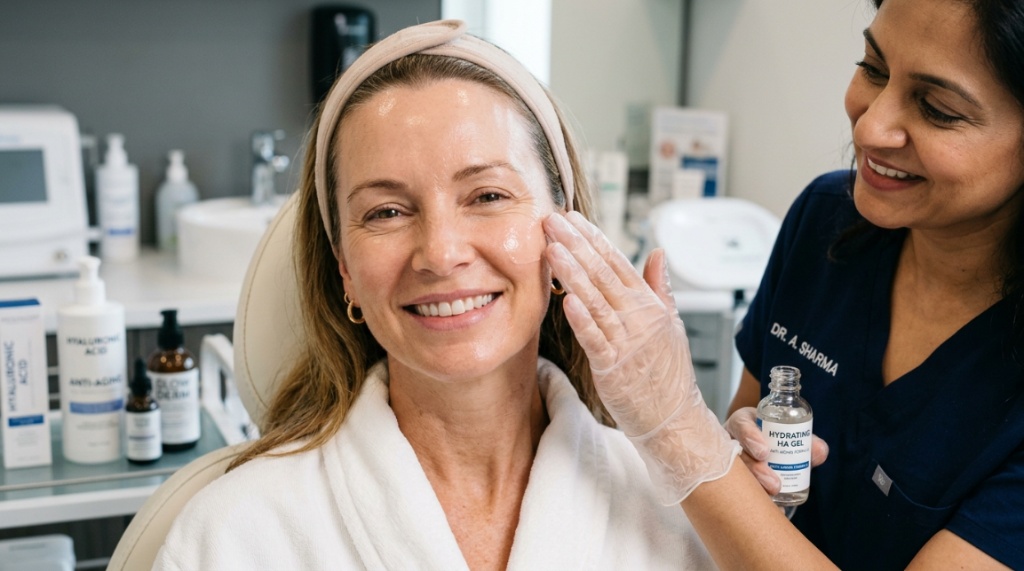
Living in Washington means embracing the misty mornings, the evergreen landscapes, and the ever-present moisture in the air. Ironically, that same ambient humidity often masks a hidden problem: your skin may be severely dehydrated while simultaneously showing fine lines that seem impossible to smooth. You might find yourself applying more cream, only to wake up with a tight, dull complexion. The real challenge isn’t just finding a product; it’s understanding how to balance hydration with active wrinkle care in a climate that demands a specific routine. The good news? You can achieve that dewy, resilient skin you’re after—but it requires a strategic, layered approach that honors both the wet Pacific Northwest air and your skin’s changing needs.
As an expert in skincare science and regional beauty practices, I’ve spent years analyzing how environmental factors—like Washington’s unique weather patterns—impact dermal health. This guide is your blueprint for creating a routine that works *with* your environment, not against it. We’ll dive deep into the science of hydration, the art of ingredient selection, and the exact steps to lock in moisture while effectively targeting wrinkles. No more guesswork. You’ll leave with a clear, actionable plan tailored to the Emerald City lifestyle.
Why Does Washington’s Climate Dry Out Skin Despite the Humidity?
The quick answer is that relative humidity isn’t the same as skin hydration. While Washington’s air holds more water vapor than Arizona’s, that moisture often comes in the form of rain or fog, not evaporative humidity. Plus, the transition from cold, damp outdoors to dry, heated indoors wreaks havoc on your skin’s barrier. This constant shift accelerates transepidermal water loss (TEWL), leaving you with a compromised lipid barrier that can’t retain the water you’re applying.
The Pacific Northwest’s signature weather is a double-edged sword. On one hand, the high dew point can make your skin feel softer initially. On the other hand, the lack of intense UV radiation (compared to southern states) can lull you into a false sense of security. Yet, the wind and rain physically strip away the skin’s natural oils, leading to micro-inflammation. This inflammation is a silent generator of wrinkles, as it breaks down collagen and elastin over time. So, even in a “wet” climate, your skin can be crying out for more than just a simple moisturizer.
The TEWL Trap: Understanding Why Your Skin Feels Tight
TEWL is the process where moisture evaporates from the deeper layers of your skin into the atmosphere. In Washington, the constant heating and cooling cycles—from your office to your car—make TEWL a relentless enemy. When the lipid barrier is weak, water escapes easily, leaving skin cells shriveled. This is why you might feel tightness even when you’re applying a heavy cream; you’re adding water to a leaky bucket without fixing the cracks.
The Indoor Heating Paradox in the Pacific Northwest
Most Washingtonians blast indoor heating for eight months of the year. This artificial environment is often drier than the Sahara Desert. The indoor relative humidity can drop below 20%, creating a severe osmotic gradient that sucks moisture out of your skin. This is the primary reason why your skin feels rough by 2 PM, regardless of the rain hitting your window. It’s a battle against your thermostat, not just the weather.
What is the Difference Between Hydration and Moisturizing?
This is the most critical distinction in skincare. Hydration refers to the water content *inside* your skin cells. Moisturizing refers to the oil (occlusive) content that *seals* that water in to prevent escape. You can hydrate without moisturizing, but you’ll lose the water quickly. Conversely, you can moisturize without hydrating, but you’ll just have a greasy film on top of parched skin. A true routine needs both, but the ratio shifts based on your environment.
Think of it like a rain jacket (moisturizer) over a soaked shirt (hydration). If you wear a waterproof jacket over a dry shirt, you stay dry but cold. If you soak the shirt but wear a breathable mesh jacket, the water evaporates. In Washington, you need a waterproof but breathable jacket—a product that pulls water in (humectant) and locks it with a lightweight lipid (occlusive). This is the core philosophy behind the hydrating wrinkle cream Washington residents often overlook.
Identifying Humectants in Your Routine
Humectants are the water-loving ingredients that draw moisture from the air or deeper skin layers to the surface. In a humid climate, they work overtime. Key humectants include hyaluronic acid, glycerin, and aloe vera. However, in dry indoor environments, they can backfire and pull water *out* of your skin if not layered properly. The trick is to apply them to damp skin and seal immediately.
Decoding Occlusives for Windy Days
Occlusives are the barrier builders that prevent water loss. These are typically oils, butters, and waxes like shea butter, squalane, and jojoba oil. In Washington, you need a lighter occlusive than in, say, Minnesota. Heavy petrolatum can clog pores and feel suffocating under a rain hood. Opt for molecularly lightweight esters that mimic your skin’s natural sebum while providing a breathable shield against the wind.
How Does Washington’s Water Hardness Affect Wrinkle Formation?
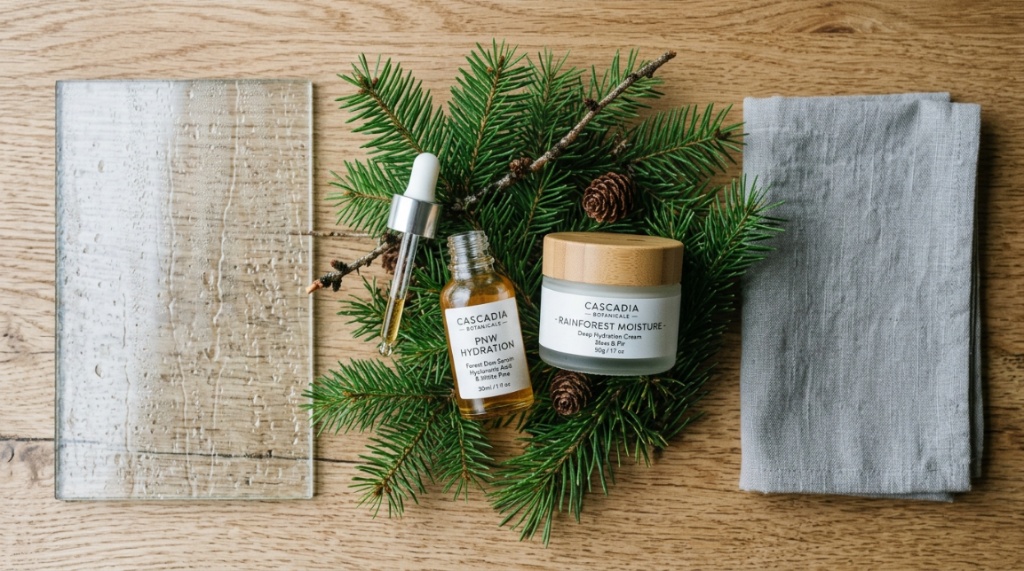
Surprisingly, the water itself is a culprit. Most of Western Washington, including Seattle and Tacoma, has soft water with high acidity. While soft water is gentler on your hair, it can be overly slimy on your skin, leaving a residue that hinders the absorption of your skincare actives. This acidic pH can also disrupt your acid mantle—the skin’s protective, slightly acidic layer—expediting collagen breakdown. The result? Wrinkles that appear prematurely despite diligent care.
The mineral content in the water isn’t the issue; it’s the lack of minerals and the pH imbalance. When your skin’s pH is thrown off (it should be around 4.5 to 5.5), enzymes responsible for repairing damaged collagen become inactive. This means your anti-aging creams are literally washing down the drain, working on a battlefield that’s already compromised by the local tap water. Adjusting your cleansing method is as vital as the serum you use,For more budget-friendly tips on revitalizing your complexion, learn How to Transform Dull Skin Affordably.
Is a Toner Essential for the PNW Skincare Routine?
Yes, but not the stripping kind. After washing your face with Washington’s acidic water, your skin is left in a temporary state of imbalance. A pH-balancing toner—specifically one with exfoliating PHA or soothing witch hazel (in low concentrations)—can reset the acid mantle. This acts as a primer for your hydrating serums, ensuring they can penetrate deep rather than sliding off the top layer of residue.
Can You Rely on Tap Water for Hydration?
Internally, yes—you need to drink plenty of water. But topically, tap water doesn’t deliver hydrating benefits. It can actually dry out skin by disrupting the lipid barrier. Many experts recommend a final rinse with filtered water or using a moisturizer with mineralizing agents immediately after cleansing to rebalance the skin. This helps prevent the mineral slack from clogging pores and allows your wrinkle treatments to work effectively.
Which Ingredients Pair Best to Counter Both Dryness and Wrinkles?
To tackle both issues simultaneously, you need a sophisticated approach using “multi-tasking” active ingredients. The heroes here are peptides, ceramides, and a retinol that is encapsulated in a hydrating base. These aren’t just separate steps; they work synergistically. Ceramides rebuild the barrier (stopping water loss), peptides signal collagen production (smoothing wrinkles), and retinol speeds up cellular turnover (reducing fine lines)—all while being delivered via hydrating carriers.
The critical challenge is layering these without irritation. Retinol, the gold standard for wrinkles, can be incredibly drying. However, recent innovations like “retinol esters” and “baked retinol” offer gentler delivery. You need a product that combines retinol with a burst of hyaluronic acid and a squalane base. This way, you get the wrinkle-smoothing action without the parched, flaky side effect that plagues beginners.
The Role of Peptides in a Humid Climate
Peptides are chain fragments of amino acids that act as messengers to the skin, telling it to produce more collagen. In a humid environment, they can be a game-changer because they don’t rely on occlusion to work. They work best when the skin is adequately hydrated. If you pair a peptide serum with a water-based gel cream, you provide the building blocks for firmer skin while simultaneously delivering the water needed for those building blocks to function.
Why Ceramides Are Your First Line of Defense
Ceramides are the lipids that make up 50% of your skin’s composition. Think of them as the mortar between brick-like skin cells. Washington’s weather can deplete these lipids rapidly. Using a ceramide-rich moisturizer not only locks in hydration but also sends a signal into the skin to downregulate inflammation, which is a primary driver of premature aging. Look for products that list “ceramide NP” or “ceramide AP” high on the ingredient list.
When Should You Apply Wrinkle Cream in Your Daily Routine?
Timing is everything. Applying a thick wrinkle cream at night is standard, but in Washington, the morning routine is equally crucial as a shield against the day’s environmental stress. For optimal hydrating and wrinkle-fighting benefits, you should be layering products in a specific order: thinnest to thickest. This ensures each product is absorbed rather than sitting in a puddle on your skin.
In the morning, after cleansing, you should apply a vitamin C serum, followed by a lightweight hyaluronic acid serum, and then a moisturizer. At night, your retinol should come *after* a hydrating serum but *before* a heavier ceramide cream. This method creates a reserve of hydration that lasts through the whole day, preventing that midday tightness and reducing the look of fine lines caused by dehydration.
Should You Apply Wrinkle Cream on Damp or Dry Skin?
Always apply your wrinkle creams to slightly damp skin, especially in the morning. Damp skin has a higher capacity to absorb ingredients. If you are using retinol, however, it should go on dry skin to reduce irritation. A good rule of thumb is: water-based hydrators go on damp skin; oil-based and active treatments go on dry skin. This prevents the active from being diluted too much and ensures the water is trapped where it belongs.
How Long Should You Wait Between Layering Products?
Contrary to popular belief, you don’t need to wait hours. Wait just enough time for each product to feel tacky—about 30 to 60 seconds. This prevents pilling. In Washington’s cooler temperatures, products may absorb slower. A useful trick is to press the product into your skin with your palms rather than rubbing, which generates more heat and helps penetration.
Can Your Diet in Washington Boost Skin Hydration and Reduce Wrinkles?
Absolutely. Diets rich in omega-3 fatty acids—found abundantly in wild salmon from the Puget Sound—can strengthen your skin’s barrier from within. Likewise, eating antioxidant-rich berries that thrive in the PNW climate can fight off free radicals that accelerate wrinkle formation. Hydration starts internally, and in a climate that dries you out, your intake of essential fats is just as crucial as your topicals.
Washingtonians have access to incredible local produce that acts as edible skincare. Collagen-boosting berries, hydrating cucumbers, and even local honey can provide the building blocks your skin needs. The balance you achieve inside reflects outside. Yet, supplements alone aren’t a magic bullet; they work best when combined with the right topical routine that ensures those nutrients reach the deepest layers of the dermis.
Which Nutrients Combat Both Dryness and Fine Lines?
Omega-3s (from fish or flaxseed) help maintain the cell membrane, allowing water to pass in and out freely while keeping toxic stressors out. Vitamin C (from local kale and citrus) is required for collagen synthesis. Zinc (from oysters or pumpkin seeds) helps regulate oil production and repair the skin’s barrier function. A deficiency in these leads to water loss and sagging, independent of what you apply topically.
Is Drinking More Water Enough for Skin Hydration?
Drinking water is essential, but if your skin barrier is broken, that water simply goes out as urine or evaporates. You need electrolytes—particularly sodium and potassium—to help hold that water in your cells. Consider adding an electrolyte powder to your water on days you feel particularly dehydrated. This is more effective that chugging eight glasses of plain water, especially when the indoor heating is zapping your skin.
How Does pH Level Affect Wrinkle Cream Efficacy?
The pH of your skincare product impacts how well it penetrates and works. The skin’s natural pH is around 5.5. If your skin is more alkaline, it becomes dry, flaky, and prone to wrinkles. The typical “anti-aging” products use alpha-hydroxy acids (AHAs), which require a lower pH (3.5-4.0) to exfoliate. However, if you use a high-pH cleanser, it neutralizes the acids, rendering your expensive cream useless.
Check the pH of your routine. If your cleanser is above 5.5, your skin’s acid mantle is disrupted. That means even the best hydrating wrinkle cream won’t work because it can’t interact properly with the skin barrier. This is an overlooked reason why many people in Washington see minimal results—they’re cleansing with a high-pH bar soap that undoes all the good work of their serums.
Testing Your Skincare pH at Home
You can buy pH strips at a local drugstore and test your cleansers and toners. If a cleanser reads above 6, replace it. Aim for a cleanser that reads between 5.0 and 5.5. For leave-on exfoliants (toners), they should read between 3.5 and 4.5 to be effective. This minor adjustment can exponentially improve how your hydrating wrinkle cream performs.
The Buffer Method for Retinol in Acidic Environments
Because Washington’s water is acidic, it actually enhances the penetration of AHAs. This is good, but it can also increase irritation. To avoid this, use the “buffer method” with retinol: apply your moisturizer first, wait five minutes, then apply retinol. This slightly buffers the acid, allowing it to work gradually to smooth wrinkles without compromising the moisture barrier.
What is the Best Way to Layer Hydrating and Anti-Aging Products?
Mastering the “layering sandwich” is the ultimate skill for PNW skin. The process is simple: Hydrate, Treat, Seal. Start with a hydrating toner *mist* on damp skin. Then, apply your serum (vitamin C in the AM, peptides or retinol in the PM). Finally, *seal* with an occlusive moisturizer. This sequence ensures you push water into the skin and trap it there.
The common mistake is applying a cream first and then a serum. Or worse, mixing retinol directly with hyaluronic acid without allowing absorption. Proper layering takes 60 seconds but yields massive benefits. It maximizes the anti-aging power of each ingredient while minimizing dehydration, which is essential for maintaining that “glass skin” look that is achievable even under cloud cover.
Creating the Morning Hydration Sandwich
In the morning, mist your face with a mineral water toner. While damp, apply 2-3 drops of hyaluronic acid serum. Then, apply a water-based moisturizer. In a separate step, mix one pea-sized amount of vitamin C powder into your moisturizer. Finish with SPF. This “sandwich” gives your skin the water it needs while delivering antioxidants to prevent collagen breakdown.
The Nighttime Wrinkle Fighting Formula
At night, after cleansing, apply a peptide toner. Follow with a barrier-repair serum containing niacinamide. Wait 60 seconds. Then, apply your retinol product. If you have sensitive skin, mix the retinol with your night cream. Finally, apply a thin layer of a balm containing shea butter or squalane over the top to lock everything in. This occlusion is critical for overnight skin repair.
Why Does SPF Matter for Wrinkle Care Even in Overcast Washington?
Many people skip sunscreen on rainy days. This is a dangerous mistake for wrinkle prevention. UVA rays (which cause wrinkles) penetrate clouds and windows. In Washington, the diffuse light can actually cause an unconscious increase in sun exposure because you don’t feel the heat. This cumulative UVA damage is a leading cause of premature aging, making your hydrating wrinkle cream essentially fight a losing battle.
To preserve the collagen you’re trying to build with your expensive creams, you *must* use SPF 30 or higher every single day. The indoor heating already stresses the skin; adding UV damage multiplies the inflammatory enzymes that degrade elastin. Daily SPF protects your hydration and ensures the active ingredients in your wrinkle creams have a fighting chance to perform their repair without interruption.
Choosing a Hydrating SPF That Doesn’t Pill
Many sunscreens leave a white cast or dry the skin. Look for a chemical sunscreen (avobenzone, homosalate) rather than a physical one (zinc oxide) if you want a lightweight feel. Use a gel-based SPF that contains aloe vera or glycerin. This adds a layer of hydration while shielding you from UVA. It should be applied last in your morning routine, over your moisturizer and makeup.
Does Reapplying SPF Lead to Dry Skin?
Reapplying raw SPF over makeup can be a dry mess. Instead, use a setting spray with SPF or a powder sunscreen. These are less occlusive and will not disrupt your skin’s moisture balance. By using a reapply spray, you add a burst of hydration while topping up your protection, preventing both wrinkles and dehydration during the long working hours in downtown Seattle.
Frequently Asked Questions
Can I use a hydrating wrinkle cream containing retinol if I have sensitive skin?
Yes, start with a low concentration (0.1% to 0.3%) of encapsulated retinol. Apply it over a light moisturizer and only use it twice a week. Gradually increase as your skin builds tolerance over a month. Look for formulas that pair retinol with soothing ingredients like allantoin and panthenol to minimize irritation.
Is it better to use natural oils like coconut oil for wrinkles?
No, coconut oil is highly comedogenic and can trap bacteria, worsening breakouts. It also doesn’t penetrate deeply enough to boost collagen. Instead, opt for squalane or jojoba—they are lighter, absorb evenly, and mimic your skin’s natural lipid barrier to lock in hydration without clogging pores.
Do I need to exfoliate more often in the humid Washington climate?
No, you should exfoliate based on your skin’s needs, not the weather. Humid air can soften the outer skin layer, making it easier to over-exfoliate. Stick to exfoliating once or twice a week using a mild lactic acid or PHA. Over-exfoliating strips the barrier, leading to increased water loss and accentuation of wrinkles.
Can wearing face masks indoors contribute to wrinkles?
The pressure of a mask can create friction and moisture traps, potentially leading to “maskne,” but not necessarily wrinkles. The wet environment under a mask can actually hydrate the skin. However, the friction can cause mechanical stress. Ensure you use a silk mask while inside, and avoid rubbing your face while wearing it.
Is a HYDRATING wrinkle cream enough to fix existing deep wrinkles?
No. Hydrating cream can plump fine lines almost immediately, making them less visible. However, deep wrinkles require collagen-building ingredients like retinol and peptides. Hydration is the “camouflage”; active actives are the “repair.” Use both. A cream that provides hydration but no actives won’t have a lasting effect.
Should I stop using retinoids in the summer because of sun sensitivity?
Yes and no. The sensitivity is primarily from UVA penetrating cloud cover. You should continue retinoids year-round but be vigilant with SPF. The benefits of retinoids over a lifetime far outweigh the increased risk if you are diligent about protection. Do not stop them; just ensure your SPF is broad-spectrum and water-resistant.
What is the fastest way to get rid of dehydration lines before an event?
The quickest trick is a hydrating face mask with niacinamide for 15 minutes. Follow with a facial massage using cold water to reduce puffiness. Then apply a hyaluronic acid serum to damp skin and seal with a peptide-rich cream. This temporary plumping effect smooths fine lines instantly, though it’s not a permanent fix.
Conclusion: The Path to Supple, Wrinkle-Resilient Skin
Balancing hydration and wrinkle care in Washington is less about finding a magic potion and more about understanding the environmental, biological, and chemical dynamics at play. You now possess the knowledge to make smarter choices: shielding against TEWL with ceramides, using water-soluble humectants to your advantage, and systematically layering active ingredients like peptides and retinol to build long-term collagen while maintaining immediate moisture. The key takeaway is to treat your skin as a whole system—your diet, your water hardness, your SPF, and your indoor environment all interlink.
Start by auditing your current routine with the concepts you’ve learned today. Check your cleanser’s pH, examine the ratio of humectants to occlusives in your moisturizer, and adjust your morning versus night-time layers. Your skin isn’t your enemy; it’s responding to the conditions you expose it to. Give it the right tools, and it will reciprocate with a healthy, youthful glow, regardless of the rain drumming against your window. Commit to this intelligent approach, and you’ll not only see but feel the difference in your skin’s resilience and radiance within weeks.
Ready to upgrade your skincare arsenal with products specifically suited for this unique climate? Explore our curated guide to the best anti-aging solutions to find your perfect hydration and wrinkle-fighting match today.