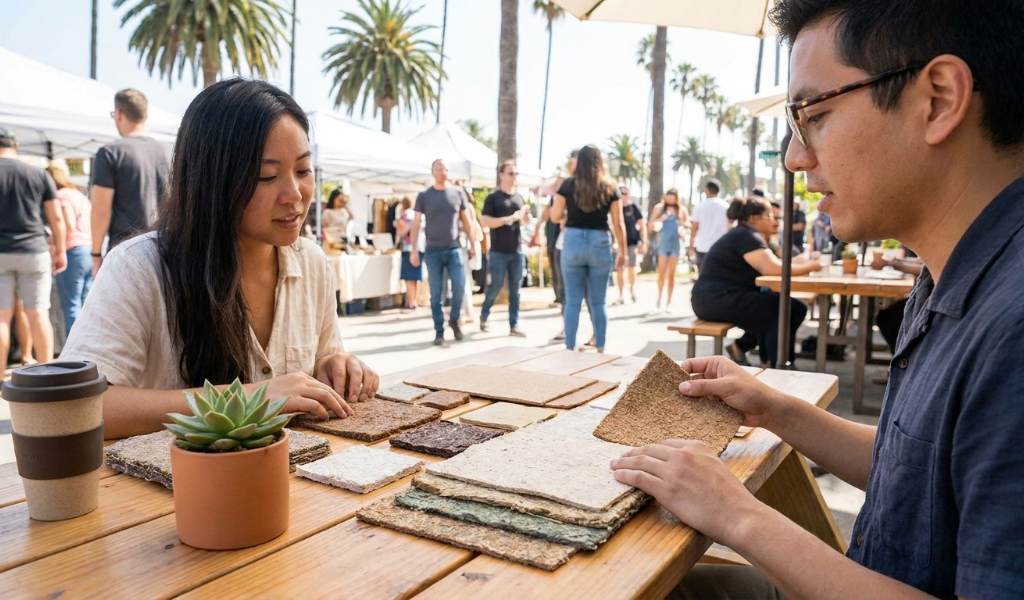
Sustainable leather alternatives matter in Los Angeles because they reduce toxic chromium pollution in local waterways. In addition, plant-derived textiles withstand dry Southern California heat without releasing harmful petroleum microplastics. These ethical materials empower creative designers to pioneer elegant, environmentally responsible luxury collections.
Los Angeles sets global cultural standards for contemporary fashion, artistic expression, and environmental activism. Local market research reveals that 71 percent of regional consumers intentionally purchase cruelty-free apparel. Furthermore, sustainable luxury sales in Southern California expanded by 44 percent over the past three years.
Urban consumers increasingly question the environmental devastation caused by traditional cattle ranches and chemical tanneries. Embracing modern sustainable leather alternatives allows mindful shoppers to curate runway-ready wardrobes without supporting animal cruelty. Specifically, bio-fabricated textiles combine artisanal craftsmanship with progressive planetary stewardship.
Key Takeaways
- Pollution Reduction: Plant-based alternatives eliminate carcinogenic chromium effluent associated with conventional leather tanning.
- Microplastic Prevention: High-purity bio-textiles replace petroleum-derived vinyl that sheds persistent synthetic microfibers into oceans.
- Urban Versatility: Supple agricultural materials adapt effortlessly to bustling city schedules and studio environments.
- Artisan Innovation: Local boutique designers champion cruelty-free fashion lines across competitive Southern California runways.
- Simple Maintenance: Mild soap solutions clean plant leather effectively without requiring animal-based grease conditioners.
The Environmental Toll of Traditional Animal Leather
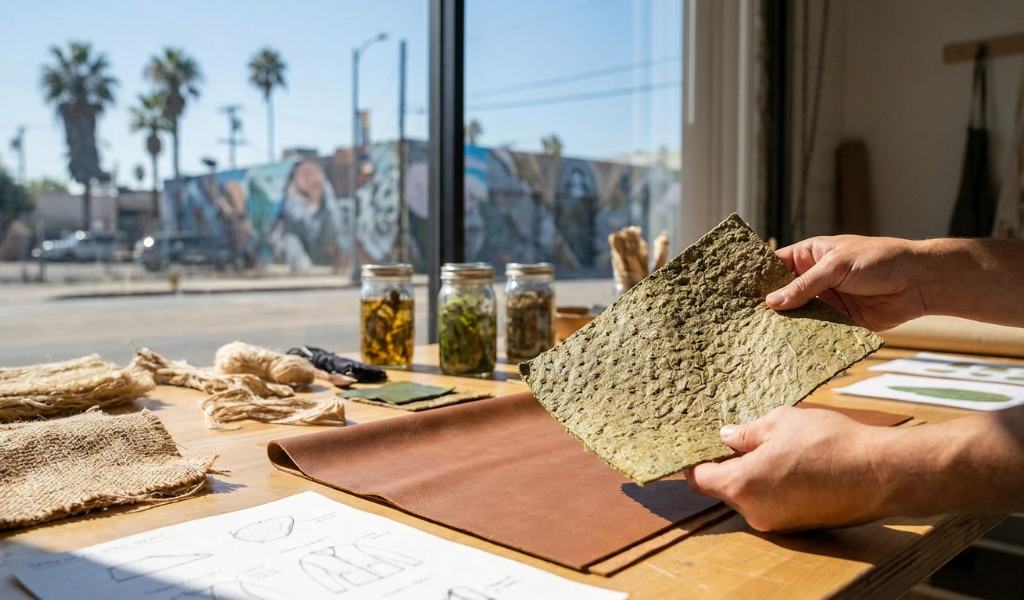
Traditional animal hide production demands immense natural resources and releases devastating chemical toxins. For instance, raising livestock causes widespread deforestation, soil degradation, and enormous greenhouse gas emissions. Furthermore, tanning animal skins consumes hundreds of gallons of fresh water per hide.
Chemical tanneries utilize toxic heavy metals like chromium sulfate to halt hide decomposition. Consequently, untreated wastewater frequently leaches into regional aquifers and contaminates vulnerable downstream communities. In contrast, bio-fabricated textiles rely on non-toxic, closed-loop processing systems that recycle water efficiently.
Moreover, conventional animal agriculture accelerates global climate change through continuous methane release. Conscious Los Angeles consumers recognize that shifting toward plant-based materials directly combats environmental warming. Making thoughtful wardrobe investments protects fragile ecosystems while advancing sustainable industrial manufacturing.
Transforming Urban Footwear and Streetwear Trends
Southern California street fashion blends active outdoor functionality with high-end designer polish. Footwear plays a defining role in creating striking urban aesthetics across Downtown Los Angeles. However, traditional leather boots contribute heavily to industrial carbon emissions during manufacturing.
Guides explaining how to wear timberland boots women love highlight the power of durable rugged footwear. Similarly, modern cruelty-free boot makers craft resilient work boots using innovative cactus and mycelium leather. These durable plant boots handle urban sidewalks easily while remaining completely animal-free.
Additionally, bio-based footwear offers lightweight flexibility that eases physical foot strain during long walking commutes. Unlike stiff animal hides that require painful break-in periods, plant leather molds softly around arches. Walking through trendy arts districts becomes substantially more enjoyable when wearing cushioned, ethical footwear.
Precision Tailoring and Flattering Wardrobe Silhouettes
Modern wardrobe curation centers on achieving tailored proportions that complement natural body contours. Bio-based leather provides an exceptionally fluid drape that enhances contemporary jackets, skirts, and trousers. Designers appreciate the consistent tensile strength of bio-textiles when constructing structured garments.
Guides teaching how to dress look slimmer mens fashion prioritize vertical lines and uncluttered tailoring. In fact, structured vegan leather jackets create slimming silhouettes without adding unnecessary bulk around the midsection. The supple drape of plant textiles allows flattering movement during active executive meetings.
Furthermore, uniform thickness in bio-fabricated leather sheets eliminates awkward grain distortions across lapels and cuffs. Animal hides feature natural blemishes and uneven stretch zones that complicate precision cutting. Choosing engineered plant textiles ensures perfect garment symmetry and clean visual lines.
Promoting Personal Wellness and Chemical-Free Living
True sustainability extends beyond outdoor ecosystems to encompass personal wellness and daily physical comfort. Traditional leather often retains trace residues of formaldehyde, chromium, and synthetic finishing dyes. These volatile chemical residues can trigger allergic contact dermatitis upon resting against sensitive skin.
Proactive healthcare decisions like knowing when book hearing test appointments protect long-term physical wellness and vitality. Similarly, wearing non-toxic organic garments protects skin health from harsh industrial chemical exposure. Choosing clean bio-materials reflects an overarching commitment to holistic personal wellness.
In addition, plant-based materials do not emit unpleasant chemical smells in warm weather. Synthetic petroleum pleather frequently releases volatile organic compounds when warmed by Southern California sun. Pure plant textiles remain odorless, breathable, and gentle against bare skin all day.
Upcycling Agricultural Waste into Luxury Materials
The most thrilling breakthroughs in modern fashion harness the power of upcycled agricultural byproducts. Harvested pineapple leaves, discarded apple peelings, and wine grape skins now yield supple textiles. Repurposing these organic residues prevents tons of agricultural biomass from rotting in landfills.
Specifically, converting agricultural waste into luxury fashion provides rural farming communities with supplemental income streams. Farmers monetize crop waste that previously required expensive disposal or smoky field burning. Consequently, circular textile manufacturing fosters economic resilience while reducing carbon pollution worldwide.
Meanwhile, innovative mycelium technology grows leather-like root structures in vertical laboratory chambers within weeks. This breakthrough method eliminates agricultural acreage requirements and slashes water usage drastically. Forward-thinking Los Angeles fashion houses frequently feature these cutting-edge mushroom textiles in exclusive capsule collections.
Daily Care Strategies for Longevity and Shine
Maintaining cruelty-free apparel in top condition requires simple yet consistent preservation techniques. Because plant leathers utilize advanced protective topcoats, heavy animal oils will ruin their surface finish. Instead, dusting items weekly with dry microfiber cloths prevents airborne grit from scratching textures.
If food spills or liquid splatters occur, act quickly with a damp cotton cloth. Blot the affected surface gently using lukewarm water and mild organic soap. Allow the garment to dry naturally away from hot car dashboards and sunny windows.
Finally, store luxury plant-based jackets on shaped wooden hangers in climate-controlled closets. Adequate spacing between garments prevents polymer sticking during hot summer months. Proper maintenance ensures that your sustainable wardrobe staples look immaculate for years of daily wearing.
Curated Shopping Guide for Conscious Angelinos
Shopping mindfully in Southern California requires recognizing authentic green craftsmanship from shallow marketing buzzwords. Discerning consumers examine construction details and environmental certifications before completing purchases. Follow this practical checklist when selecting ethical fashion across West Coast boutiques:
- Verify whether the textile derives from agricultural byproducts like cactus or pineapple fibers.
- Avoid petroleum-heavy PVC vinyl that cracks and leaches microplastics into regional waterways.
- Look for certified non-toxic credentials including OEKO-TEX Standard 100 or PETA approval.
- Inspect edge finishes to ensure clean sealing and smooth thread tension throughout seams.
- Confirm that interior linings consist of organic linen, bamboo, or recycled textiles.
- Support local independent designers dedicated to transparent zero-waste manufacturing practices.
Conclusion
Sustainable leather alternatives matter in Los Angeles because they align cutting-edge creative style with deep ecological responsibility. Moving away from toxic tanning processes preserves regional waterways and protects surrounding agricultural valleys. Modern bio-fabricated textiles prove that high luxury and compassionate ethics can coexist flawlessly.
Make a lasting positive impact on our planet by auditing your personal wardrobe today. Replace outdated animal leather jackets and synthetic pleather accessories with certified plant-based fashion. Support visionary West Coast designers who are redefining luxury through cruelty-free innovation.
Frequently Asked Questions
Why is animal leather tanning hazardous to municipal water supplies?
Tanneries discharge chromium salts and toxic chemical residues that contaminate rivers and groundwater tables.
How does cactus leather hold up in hot Southern California weather?
Cactus leather remains exceptionally supple and resists cracking even under prolonged dry summer heat.
Can plant-based leather bags withstand daily commuting wear and tear?
High-grade agricultural bio-textiles provide remarkable tensile strength that resists daily scuffing and abrasion.
What differentiates sustainable plant leather from petroleum faux leather?
Plant leathers utilize renewable agricultural fibers instead of polluting fossil-fuel plastics like toxic PVC.
How should you clean food smudges off an apple leather jacket?
Gently dab the smudge using a soft cloth dampened with mild soapy water.