You have noticed more hair in your brush than usual, and it is starting to worry you. The struggle is real, and you are not alone in wondering if there is a real, drug-free way to reverse the trend. Many factors contribute to thinning strands, from daily stress to nutritional gaps. The good news is that you do not need expensive chemicals or risky procedures. You can boost hair growth naturally by focusing on internal health, smart topical choices, and consistent routines that support your scalp environment. This guide walks you through evidence-based strategies that actually work.
What Exactly Makes Hair Stop Growing Properly?
Understanding the Hair Growth Cycle
Hair does not fall out randomly; it follows a natural cycle. The anagen (growth) phase lasts two to seven years, the catagen (transition) phase lasts about ten days, and the telogen (resting) phase lasts around three months. When this cycle gets disrupted, shedding increases and growth slows down.
Common Internal Disruptors
Hormonal imbalances, especially high cortisol from chronic stress, can push hair follicles into the resting phase prematurely. Nutritional deficiencies in iron, zinc, vitamin D, and biotin also starve hair follicles of the fuel they need to produce strong strands.
External Factors That Damage the Scalp
Heat styling, chemical treatments, and tight hairstyles cause mechanical damage. More importantly, a clogged or inflamed scalp creates a poor environment for new growth. If the soil is bad, the plant cannot thrive.
How Does Nutrition Influence Hair Strength and Growth?
Key Nutrients That Feed Your Follicles
Your hair is made of keratin, a protein. Without adequate protein intake, growth slows significantly. Iron helps red blood cells carry oxygen to hair follicles, while zinc supports tissue repair and oil gland function. Vitamin D deficiency has been strongly linked to non-scarring alopecia.
Foods to Add to Your Plate Today
- Eggs: rich in protein and biotin
- Spinach: high in iron and folate
- Fatty fish like salmon: provide omega-3 fatty acids and vitamin D
- Nuts and seeds: supply zinc and vitamin E
- Greek yogurt: offers protein and vitamin B5
The Role of Hydration and Supplements
Dehydration makes hair dry and brittle, increasing breakage. While whole foods are best, a targeted supplement can fill gaps if blood work confirms a deficiency. Always check with a healthcare provider before starting any new regimen.
Can Scalp Massage Really Make a Difference?
How Massage Increases Blood Flow
Yes, it can. Scalp massage stimulates blood circulation to the hair follicles. Increased blood flow means more oxygen and nutrients reach the roots. A 2016 study found that daily four-minute scalp massages over 24 weeks resulted in significantly thicker hair.
Proper Technique for Maximum Benefit
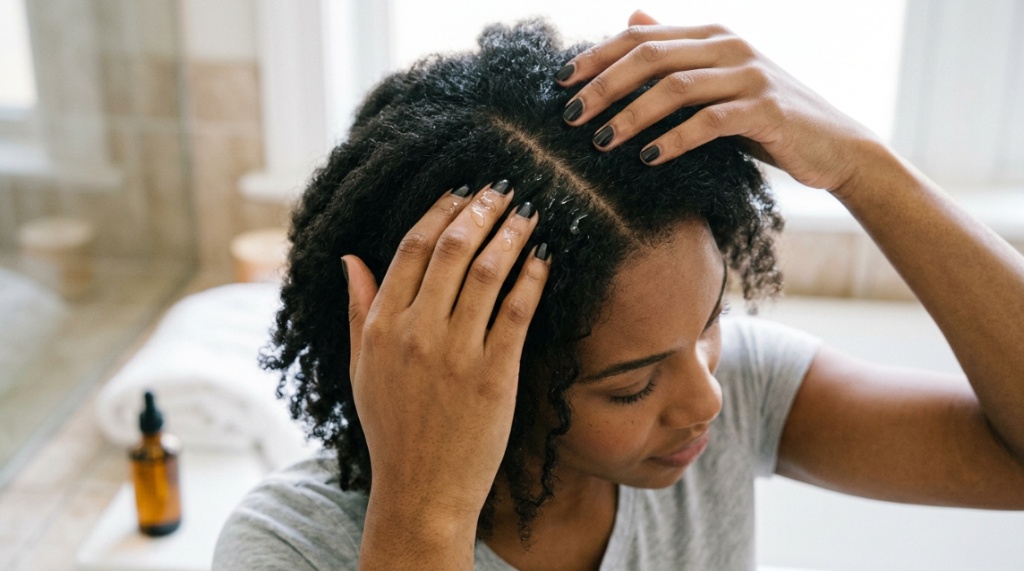
Use your fingertips, not your nails. Apply firm but gentle pressure in circular motions across your entire scalp. Focus especially on the crown and temples where thinning often starts. Perform this for three to five minutes daily, preferably before washing your hair.
Combining Massage with Essential Oils
Adding a few drops of rosemary or peppermint oil to a carrier oil like jojoba or coconut can amplify results. Rosemary oil has shown comparable results to minoxidil in animal studies, improving hair count and thickness over time. Always dilute essential oils to avoid irritation.
Which Natural Oils Work Best for Hair Growth?
Rosemary Oil: The Research-Backed Choice
Rosemary oil improves circulation and has anti-inflammatory properties. It can also block DHT, a hormone linked to pattern baldness. Many herbalists call it the most effective natural option for stimulating regrowth.
Castor Oil for Density and Moisture
Castor oil is rich in ricinoleic acid, which may increase blood flow to the scalp. It also has antibacterial and antifungal properties that keep the scalp healthy. While it won’t grow new hair on a bald patch, it strengthens existing strands and adds density.
Coconut Oil for Protein Protection
Coconut oil penetrates the hair shaft better than most oils, reducing protein loss during washing. Use it as a pre-wash treatment to protect your hair from breakage, which helps retain length over time. Apply it from mid-shaft to ends and leave it on for at least 30 minutes.
Why Is Scalp Health the Foundation of Hair Growth?
Signs of an Unhealthy Scalp
Flaking, redness, excessive itching, and tenderness indicate inflammation or infection. Buildup of sebum and dead skin cells can physically block follicles from pushing out new hair. A healthy scalp looks clear, balanced, and free of irritation.
Simple Ways to Cleanse and Exfoliate
Use a clarifying shampoo once a week to remove product residue. A gentle scalp scrub with fine sugar granules mixed into your regular shampoo can exfoliate without scratching. Follow with a lightweight conditioner to keep the scalp clean but not stripped.
When to Seek Professional Help
If you notice sudden patchy hair loss or persistent scalp pain, see a dermatologist. Conditions like seborrheic dermatitis and psoriasis require targeted medical treatment. Natural methods support health but cannot cure underlying medical disorders.
How Much Sleep Do Your Hair Follicles Really Need?

The Science of Regeneration During Sleep
During deep sleep, your body repairs cells and balances hormones. Cortisol levels drop while human growth hormone peaks. Both processes directly support hair follicle activity. Consistently sleeping less than six hours disrupts this repair cycle.
Better Sleep Hygiene for Thicker Hair
Keep your bedroom cool and dark. Avoid screens for at least 45 minutes before bed. If your mind races, try a simple breathing exercise: inhale for four counts, hold for four, exhale for four. Consistent sleep schedules train your body to restore itself properly.
The Connection Between Rest and Stress-Related Shedding
Chronic sleep deprivation raises cortisol, which can trigger telogen effluvium — a condition where large numbers of hair follicles enter the resting phase at once. Prioritizing seven to nine hours of quality sleep is one of the easiest ways to boost hair growth naturally without spending money on products.
Which Hair Care Habits Are Secretly Hurting Your Progress?
Overwashing and Underwashing
Washing your hair every day strips natural oils, leaving the scalp dry and irritated. Going too long between washes allows pore-clogging buildup. Aim for two to three washes per week, adjusting based on your hair type and activity level.
Heat Styling and Chemical Overload
High heat weakens the protein structure of hair, causing split ends and breakage that make growth seem slower. Limit blow dryers and flat irons to twice a week at most. Chemical relaxers and permanent colors should be spaced at least eight weeks apart.
The Wrong Hairstyles for Growth
Constant tension from ponytails, buns, and braids can cause traction alopecia, a form of hair loss that becomes permanent if caught too late. Alternate hairstyles, use soft hair ties, and never pull your hair so tight that it hurts your scalp.
Can Supplements and Serums Work Together for Faster Results?
Oral Supplements That Support Growth
Biotin, collagen, and marine protein peptides are among the most popular supplements for hair. Biotin aids keratin production, while collagen provides amino acids that strengthen strands. Marine protein targets the anagen phase to lengthen the growth cycle.
Topical Serums That Deliver Nutrients Directly
A quality scalp serum can deliver active ingredients like caffeine, peptides, and plant extracts directly to the follicle bed. These formulations are designed to penetrate the skin and stimulate microcirculation. Look for serums with minimal synthetic additives and strong ingredient transparency,While taking care of your locks internally is essential, busy routines also demand fast styling solutions—check out how busy moms in Phoenix create salon-style party hair in minutes when you are short on time.
How to Choose a Budget-Friendly Option That Works
You do not need to spend a fortune to see results. Many affordable serums contain the same key active ingredients as expensive luxury brands. The difference often lies in packaging and marketing, not effectiveness. Focus on ingredient lists and user reviews rather than price tags.
How Long Until You See Visible Results from Natural Methods?
Realistic Timelines for Different Strategies
Dietary changes typically show effects within three to six months because hair grows slowly from the root. Scalp massage and topical oils may yield visible thickening in four to eight weeks. Consistency matters far more than intensity when working with natural approaches.
Signs You Are on the Right Track
Look for less hair in your shower drain, fewer loose hairs on your pillow, and a healthier shine. You might also notice baby hairs emerging along your hairline or crown. These are positive indicators that your follicles are reactivating.
When to Adjust Your Approach
If you see no improvement after six months of consistent effort, revisit your nutrition, stress levels, and sleep habits. Consider adding a targeted serum or speaking with a trichologist. Natural methods require patience, but they should show some progress within a reasonable timeframe.
Frequently Asked Questions
Can stress alone cause permanent hair loss?
No, stress usually causes temporary shedding that reverses once stress levels decrease. However, chronic stress combined with other factors can accelerate permanent pattern hair loss if left unmanaged.
Is it safe to use rosemary oil every day?
Yes, but always dilute it with a carrier oil. Undiluted rosemary oil can cause skin irritation. A safe ratio is two drops of rosemary oil per tablespoon of carrier oil.
Does cutting your hair make it grow faster?
No, cutting hair does not affect growth rate. It removes split ends and prevents breakage, which helps you retain length so your hair appears longer over time.
Which vitamin deficiency causes the most hair loss?
Iron deficiency is one of the most common causes of hair thinning, especially in women. Low vitamin D levels are also strongly linked to non-scarring alopecia.
Can I boost hair growth naturally if I have genetic baldness?
Natural methods can slow the progression and improve overall hair health, but they cannot reverse genetic pattern baldness. Combining natural care with clinically proven treatments gives the best results.
Are silicone-free shampoos better for growth?
Silicone-free shampoos prevent buildup that can weigh hair down and clog follicles. They are not essential for growth but can support a healthier scalp environment.
How often should I exfoliate my scalp?
Once a week is sufficient for most people. Over-exfoliating can irritate the scalp and cause inflammation, which works against growth. Adjust frequency based on how your scalp responds.
Conclusion
Thicker, healthier hair is not a mystery reserved for those with expensive products. By addressing the root causes of slow growth — nutrition, sleep, scalp health, and stress — you create conditions where your hair can thrive naturally. Start with one or two changes rather than overhauling everything at once. A daily scalp massage, a handful of spinach in your lunch, or simply going to bed earlier can spark noticeable improvement over time. Your hair reflects your overall wellness, so treat your body well and let your strands follow suit. Commit to consistent, gentle care, and the results will come.