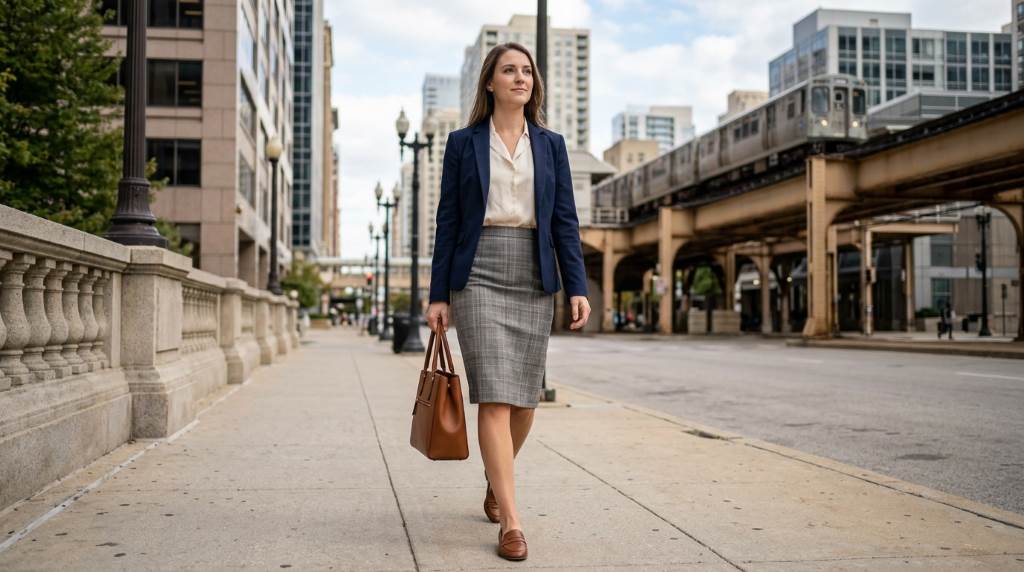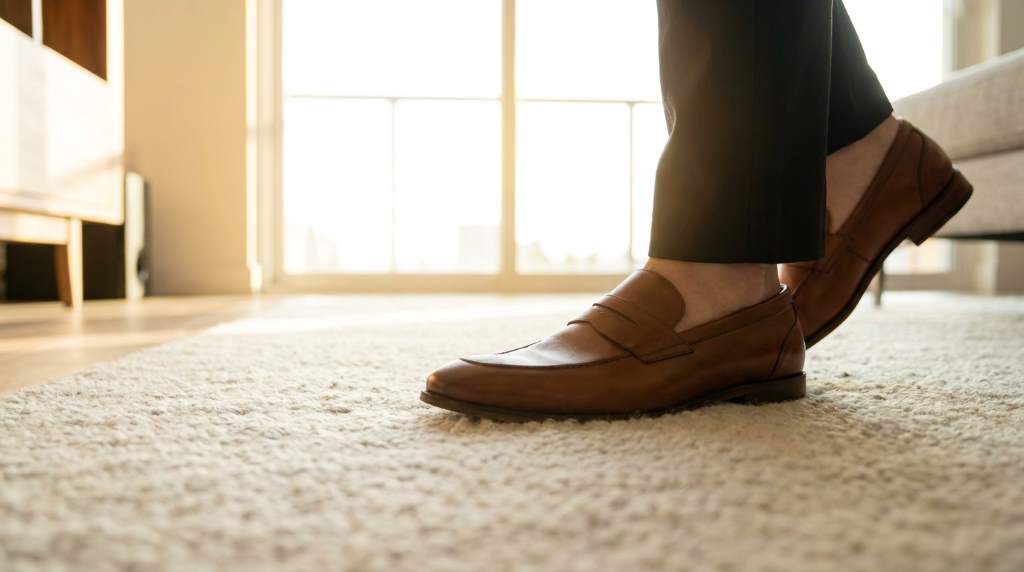
Luxury leather shoes usually need gradual wear, controlled moisture, and careful movement before they feel naturally comfortable. Start with 30-minute sessions, then increase wearing time as the leather adapts. Proper sizing also matters because even a premium shoe cannot compensate for incorrect dimensions. If you need help checking Gucci measurements, this gucci shoe size conversion guide can help.
Key Takeaways Before Breaking In Leather Shoes
Breaking in luxury shoes requires patience because premium leather often feels firm when new. Fortunately, you can accelerate comfort without damaging the upper, sole, or internal structure.
- Start slowly: Wear new shoes indoors for 30 minutes initially.
- Protect pressure points: Use thin socks or temporary heel protection.
- Condition carefully: Apply suitable leather conditioner sparingly when needed.
- Alternate footwear: Give leather shoes enough recovery time between wears.
- Avoid excessive heat: Never use hair dryers or direct heaters to soften leather.
- Check the fit: Persistent pain usually signals sizing problems, not insufficient break-in time.
How Should You Prepare Luxury Leather Shoes in LA?
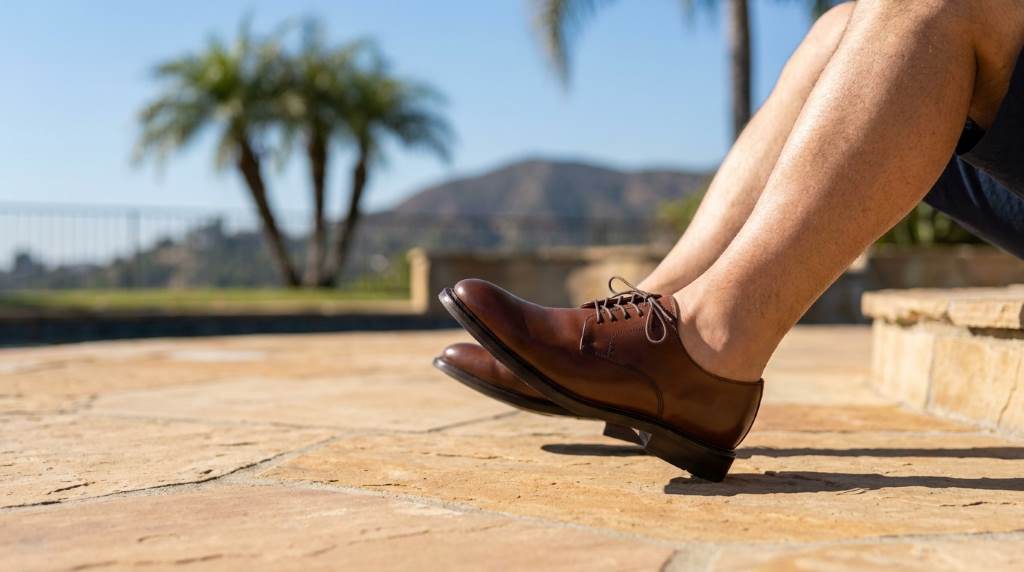
Los Angeles presents unique conditions for luxury footwear because walking surfaces vary considerably across neighborhoods. Before your first outing, inspect the leather, stitching, sole, heel, and interior lining carefully.
First, remove packaging materials and check whether the shoe contains removable inserts or protective stickers. Next, flex each shoe gently with your hands without forcing the leather beyond its natural movement.
Then, wear lightweight socks that match your usual footwear preferences. This approach helps identify rubbing areas before you spend hours walking through downtown streets or shopping districts.
For additional comfort planning, consider these running shoes comfort principles when evaluating cushioning, fit, and foot movement.
Check the Fit Before You Force the Break-In
Your heel should remain reasonably secure while your toes retain enough room for natural movement. Meanwhile, the widest part of your foot should align with the shoe’s broadest section.
Luxury leather can soften and conform, but it cannot reliably correct major sizing errors. Therefore, distinguish normal stiffness from genuine pressure caused by an incorrect fit.
Pay particular attention to the toe box, heel counter, instep, and little-toe area. These locations commonly reveal whether your shoes need breaking in or exchanging.
How Can You Soften Leather Without Damaging It?
Leather responds best to controlled wear rather than aggressive softening techniques. Start indoors because you can remove the shoes immediately if discomfort develops.
Wear the shoes for approximately 30 minutes during the first session. Afterward, inspect your feet for redness, pressure marks, or developing blisters.
If the shoes feel manageable, increase the next session to roughly 45 minutes. Continue adding time gradually until the leather accommodates your foot without significant pressure.
Meanwhile, avoid soaking the shoes because excess water can distort leather, weaken adhesives, and affect the shoe’s shape. Controlled flexibility delivers better results than forcing rapid softness.
Use Socks as a Simple Break-In Tool
Medium-weight socks can reduce friction while creating gentle pressure against stiff leather. However, avoid unusually thick socks if they make the shoes feel painfully tight.
Try wearing the shoes around your home while performing ordinary activities. Walking naturally allows the upper to flex at the same points your feet use during daily movement.
After several sessions, the leather should begin responding more naturally around the forefoot and heel. At that stage, gradually introduce short outdoor walks.
Condition Only When the Leather Needs It
Leather conditioner can improve suppleness, but excessive product can soften leather unevenly or change its appearance. Always select a conditioner appropriate for the shoe’s specific leather finish.
Apply a small amount to an inconspicuous area before treating visible sections. Then, use a soft cloth to distribute a thin, even layer across the upper.
Allow the product to absorb naturally before wearing the shoes. Never rely on conditioner alone to fix tight footwear or severe structural stiffness.
How Should You Break In Shoes for LA Walking?
Los Angeles encourages different types of walking, from short errands to extended shopping trips. Consequently, your break-in strategy should match the distances you actually expect to walk.
Start with indoor surfaces, then progress to brief outdoor routes with predictable terrain. This sequence lets you identify friction points before committing to longer city walks.
If you regularly walk between appointments, prioritize heel security and forefoot flexibility. Shoes that feel comfortable while standing may behave differently after several thousand walking steps.
For everyday footwear comparisons, these daily running shoes considerations can also clarify useful comfort factors.
Create a Gradual Walking Schedule
A simple schedule can prevent discomfort while allowing the leather to adapt naturally. Increase duration only when the previous session produces no significant rubbing.
- Session one: Wear the shoes indoors for 30 minutes.
- Session two: Walk indoors for 45 minutes.
- Session three: Take a 20-minute outdoor walk.
- Session four: Increase outdoor walking to approximately 30 minutes.
- Session five: Try a longer outing if your feet remain comfortable.
This schedule does not require rigid timing because every leather type behaves differently. Instead, use comfort and visible leather movement as your primary indicators.
Protect Common Friction Areas
Heel friction often develops when a stiff counter moves against the skin during repeated steps. Temporary heel pads can reduce movement while the leather gradually adapts.
For toe pressure, first confirm that your shoes provide adequate width and length. Avoid trying to stretch a fundamentally narrow shoe through painful repeated wear.
For instep pressure, loosen the laces or straps slightly during early sessions. This adjustment can reduce compression without altering the shoe permanently.
What Break-In Methods Should You Avoid?
Some popular shortcuts can permanently damage expensive leather footwear. Therefore, avoid methods that depend on excessive heat, water, or mechanical force.
Hair dryers can dry leather unevenly and potentially cause cracking or unwanted changes in texture. Similarly, soaking shoes can affect adhesives, dyes, linings, and structural components.
Freezing techniques also deserve caution because leather shoes contain multiple materials that react differently to temperature changes. A method that seems effective can create problems later.
Do Not Stretch Luxury Shoes Aggressively
Professional stretching can help with minor width issues when performed correctly. However, aggressive stretching may distort proportions and compromise the intended silhouette.
If one specific area feels slightly tight, a qualified shoe professional can assess the problem. This approach protects the shoe while addressing the actual source of discomfort.
Never attempt major stretching simply because the shoes look attractive but fit poorly. A luxury purchase should begin with an appropriate fit rather than depend on extreme modification.
How Can You Prevent Blisters During the Break-In?
Blisters usually develop when friction repeatedly affects the same area of skin. Preventing that friction early can make the entire break-in process considerably easier.
Wear comfortable socks and monitor areas that become warm or irritated. Address those locations before they develop into painful blisters.
Temporary protective products can help during the first few outings. However, persistent rubbing often indicates excessive shoe movement or an unsuitable fit.
For people comparing casual footwear options, these budget jogging shoes men considerations also highlight useful fit and comfort principles.
Recognize Early Warning Signs
Stop wearing the shoes when you notice sharp pain, persistent numbness, or rapidly worsening irritation. Normal stiffness should never produce significant injury or lasting discomfort.
Redness that disappears quickly may indicate ordinary friction during early wear. Conversely, swelling, broken skin, or intense pressure requires immediate attention.
Once you identify the problem, determine whether adjustment can solve it. Sometimes a different sock, lacing pattern, or professional fitting provides the necessary improvement.
How Do You Break In Different Leather Types?
Not all leather behaves identically, so your technique should reflect the material and finish. Smooth calfskin, suede, patent leather, and textured leather each require different handling.
Calfskin generally responds well to gradual movement and appropriate conditioning. Suede requires specialized care because conventional conditioners can affect its texture and appearance.
Patent leather remains comparatively resistant to traditional softening methods because its glossy surface relies on a specialized finish. Focus on correct fit and gradual wear instead.
Calfskin and Smooth Leather
Begin with short sessions and gentle walking to encourage controlled flexing. Apply suitable conditioner only when the leather appears dry or requires additional suppleness.
Over time, smooth leather typically develops a more natural relationship with your foot. Regular brushing and appropriate storage can then preserve its appearance.
Suede and Nubuck
Suede and nubuck need specialized brushes and products designed for their textured surfaces. Avoid saturating these materials because moisture can create permanent marks.
Instead, focus on gradual wear and careful protection from rain, spills, and excessive moisture. Their texture should remain part of the shoe’s character rather than become artificially softened.
Patent Leather
Patent leather requires particular caution because heat and unsuitable products can damage its glossy finish. Prioritize fit, controlled wearing periods, and proper storage.
If the shoe creates persistent pressure, consult a professional rather than applying household softening methods. Preserving the finish should remain a priority throughout the process.
When Should You Take Luxury Shoes to a Professional?
Professional help makes sense when careful home methods fail to resolve a specific fit issue. A skilled cobbler can assess stretching needs without unnecessarily changing the shoe’s structure.
Seek professional assistance when the heel repeatedly slips despite proper sizing. You should also consult a specialist when one pressure point remains painful after several gradual sessions.
Additionally, professional care can help with delicate leather finishes, unusual construction, or expensive designer footwear. The cost of expert service often protects a much larger investment.
Choose Expertise Over Risky Shortcuts
Luxury shoes deserve techniques appropriate to their materials, construction, and finish. A professional can distinguish between leather stiffness and problems caused by shoe architecture.
That distinction matters because stretching cannot fix every discomfort problem. Sometimes the most practical solution involves changing the size, width, insole, or shoe model.
How Can You Maintain Comfort After Breaking In?
Breaking in your shoes represents only the beginning of long-term leather care. Good maintenance helps preserve flexibility, shape, appearance, and overall comfort.
Allow leather shoes to rest between substantial wearing sessions. Shoe trees can help maintain shape while absorbing some moisture accumulated during normal use.
Keep footwear away from direct heat and store it somewhere cool and dry. Furthermore, clean surface dirt promptly before it becomes embedded in the leather.
Rotate your footwear when possible because repeated daily wear gives leather less time to recover. This simple habit can improve comfort and extend useful service life.
Build a Simple Leather Care Routine
- After wearing: Brush away surface dirt with a suitable soft brush.
- During storage: Insert appropriate shoe trees and maintain good ventilation.
- When dry: Apply compatible leather conditioner sparingly.
- Before outings: Check the sole, heel, stitching, and upper for developing problems.
- After wet exposure: Let the shoes air-dry naturally away from direct heat.
Consistency matters more than complicated routines when caring for luxury footwear. A few careful habits can prevent avoidable damage and preserve the original shape.
What If Luxury Leather Shoes Still Hurt?
Persistent discomfort deserves investigation rather than another round of aggressive break-in attempts. Luxury materials should become more accommodating without causing repeated pain.
First, reassess the size and width using your actual foot measurements. Next, inspect whether the shoe’s construction creates pressure in a particular location.
If the fit remains unsuitable, contact the retailer about available exchange or return options. Keeping an uncomfortable pair simply because it looks expensive usually creates unnecessary frustration.
Remember that successful break-in means improved comfort, not enduring pain until the leather changes. Your feet should feel progressively better as the shoes become familiar.
Final Verdict: Break In Luxury Leather Shoes Gradually
The safest approach combines short wearing sessions, suitable socks, careful conditioning, and gradual outdoor walking. Avoid heat, soaking, aggressive stretching, and other shortcuts that can damage premium leather.
Most importantly, separate normal stiffness from genuine poor fit before continuing the process. If discomfort persists, professional assessment or a different size offers a smarter solution.
Ready to make your luxury leather shoes more comfortable? Start with a 30-minute indoor session today, then increase wear only when your feet remain comfortable.
Frequently Asked Questions
How long does it take to break in luxury leather shoes?
Most shoes become noticeably more comfortable after several gradual wearing sessions, although leather type and construction affect timing.
Can I use heat to soften leather shoes?
No, direct heat can dry leather, damage finishes, weaken adhesives, and create unwanted shape changes.
Should luxury leather shoes feel tight when new?
They can feel firm initially, but they should never create sharp pain, numbness, or severe pressure.
Can a cobbler stretch expensive leather shoes?
Yes, an experienced cobbler can often make controlled adjustments for minor width or pressure issues.
How often should I wear newly purchased leather shoes?
Wear them in short sessions initially, then gradually increase duration as the leather and your feet adapt.