
Choosing between MIULEE fringe pillow covers and standard cotton pillowcases usually comes down to one question: how do you actually use your bed? MIULEE covers are decorative accent pieces, often made from a soft ramie cotton blend, while cotton cases are the everyday linens you sleep on directly. The fringe is worth it if you want texture and a styled look, but it adds maintenance and care limitations that plain cotton avoids. This comparison breaks down fabric, feel, durability, and cost so you can decide which belongs on your bed.
Key Takeaways
- MIULEE fringe covers are decorative pillow covers, not sleep surfaces, so they pair with cotton cases rather than replace them.
- A soft ramie cotton blend mixes linen-like texture with cotton’s softness, but it wrinkles and can feel rougher than 100% cotton at first.
- Fringe adds visual interest and hides zipper seams, but it catches lint, tangles in the wash, and can fray over time.
- Cotton cases win on breathability, easy washing, and skin comfort; MIULEE covers win on style and quick seasonal swaps.
- If you want one pillow setup that works for both sleeping and styling, buy cotton cases for sleeping and MIULEE covers for the top layer.
What MIULEE Fringe Pillow Covers Actually Are
MIULEE fringe pillow covers are zippered decorative covers designed to slip over an insert, not to be slept on directly. They typically measure 18×18 inches or 20×20 inches for throw pillows, and the fringe runs along the edges as a design feature. You buy the cover, add a separate insert, and place it on top of your bed or sofa. They are not a replacement for a pillowcase you rest your face on.
This distinction matters because many shoppers compare them to cotton cases as if they serve the same function. They don’t. A cotton case protects your sleeping pillow and touches your skin for eight hours a night. A decorative cover changes the look of a room in seconds. The materials reflect that difference. Many MIULEE styles use a soft ramie cotton blend that mimics linen’s slubby texture while keeping some of cotton’s softness, which is why they photograph well and feel less stiff than pure linen.
What the fringe adds
The fringe is purely aesthetic. It softens the hard edge of a square pillow, adds a boho or coastal feel, and draws the eye to the pillow as a focal point. On a plain bed, one or two fringed covers can replace a stack of patterned pillows. The trade-off is that fringe collects dust and pet hair, can tangle if you wash it loosely, and may fray after repeated washing. If you have pets or a strict low-maintenance routine, that matters.
How a Soft Ramie Cotton Blend Compares to 100% Cotton
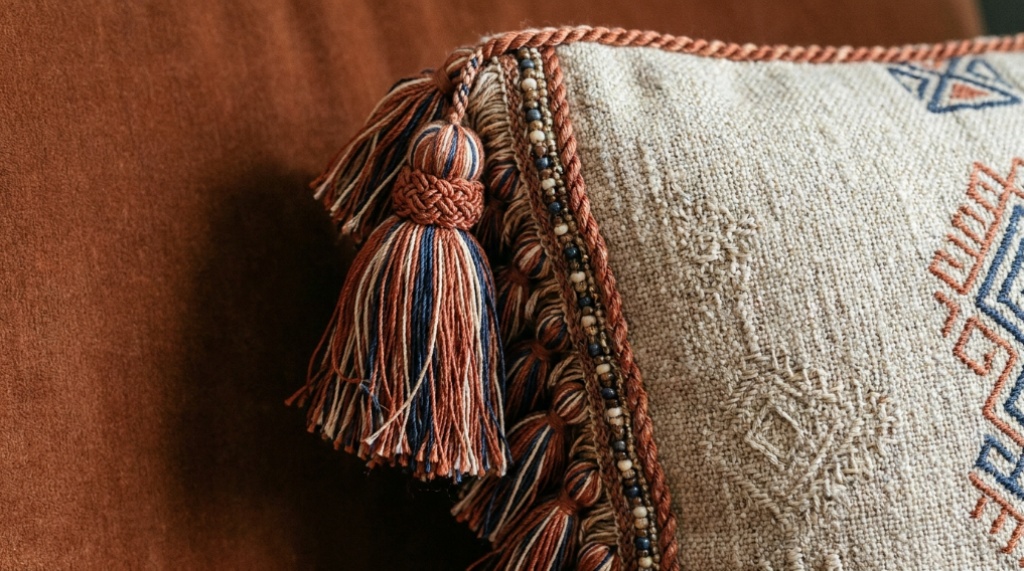
A soft ramie cotton blend feels more textured and slightly cooler than standard cotton, but it wrinkles more and may need a break-in period. Ramie is a natural plant fiber related to linen. It’s strong, breathable, and has a subtle sheen, but on its own it can feel stiff. Blending it with cotton softens the hand feel and reduces cost. The result sits between linen and cotton: more character than cotton, less crisp than pure linen.
| Factor | Soft Ramie Cotton Blend (MIULEE type) | 100% Cotton Case |
|---|---|---|
| Feel | Textured, linen-like, softens over time | Smooth, soft from first wash |
| Breathability | High | High (depends on weave) |
| Wrinkling | Noticeable, part of the look | Moderate, less with percale |
| Durability | Strong fibers, but fringe is delicate | Very durable with normal care |
| Washing | Gentle cycle, air dry preferred | Machine wash and dry |
| Best use | Decorative top layer | Direct sleep surface |
Neither fabric is objectively better. They solve different problems. Cotton is the workhorse. A ramie blend is the styling layer.
Is the Fringe Worth It? A Practical Decision Guide
The fringe is worth it if your goal is visual impact and you accept the care requirements. It is not worth it if you want low-maintenance bedding, if you sleep directly on the cover, or if you dislike textured edges near your face. Use these criteria to decide.
- Buy the fringe cover if: you style your bed daily, want a seasonal refresh without replacing pillows, or already own inserts and just need a new look.
- Skip the fringe if: you have shedding pets, wash bedding weekly on hot, or want a cover that doubles as a sleep surface.
- Consider a non-fringe MIULEE cover if: you like the ramie blend texture but want easier washing.
- Stick with cotton cases if: comfort and hygiene are your priorities, since they’re designed for nightly skin contact and frequent washing.
A common mistake
Many buyers order MIULEE covers expecting them to fit a standard sleeping pillow. They usually don’t. Throw pillow covers are sized for square inserts, while sleeping pillows are rectangular. Check the listing dimensions before ordering, and buy an insert one size up from the cover for a full look, To elevate your space further while styling these cushions, check out our guide on designing the perfect reading nook.
Care and Longevity: What Changes With Fringe
Fringe shortens the practical lifespan of a cover if you machine wash it carelessly. The fabric itself holds up well, but the trim is the weak point. To get more use out of a fringed cover, turn it inside out, use a mesh laundry bag, wash cold on gentle, and air dry. Skip the dryer, which tangles fringe and can shrink the blend. Cotton cases, by contrast, tolerate normal washing and drying without special steps, which is a real advantage in a busy household.
If you plan to swap covers often, this care routine is manageable. If you want bedding you can wash and forget, cotton is the safer choice.
Can You Use Both Together?
Yes, and this is the setup most stylists recommend. Use cotton cases on your sleeping pillows for comfort and hygiene, then layer MIULEE fringe covers over decorative inserts at the front of the bed. You get the breathable, washable sleep surface plus the textured look, without compromising either. This approach also means the fringed covers take less wear because they aren’t washed as often.
Cost and Value Considerations
Decorative covers and cotton cases sit in different price categories, but value depends on use. Cotton cases are replaced more often because they’re washed constantly. Decorative covers last longer per wash cycle because they’re cleaned less frequently. If you change your decor seasonally, a set of fringe covers is usually cheaper than replacing an entire bedding set. If you just need functional pillow protection, cotton is the better spend. Prices vary by seller and size, so compare current listings rather than relying on general figures.
Frequently Asked Questions
Are MIULEE pillow covers meant for sleeping?
No. They are decorative covers designed for throw pillows and inserts. For sleeping, use a cotton or cotton-blend pillowcase that’s made for direct skin contact and frequent washing.
Does a soft ramie cotton blend feel scratchy?
It can feel slightly textured at first, similar to linen. Most people find it softens after a few washes. If you’re sensitive to texture near your face, keep it as a decorative layer rather than a sleep surface.
Can I machine wash fringe pillow covers?
Yes, but use cold water on a gentle cycle with the cover inside out in a mesh bag, then air dry. Machine drying can tangle or fray the fringe and shrink the fabric.
Do I need to buy an insert separately?
Usually yes. MIULEE covers are typically sold as covers only. Choose an insert the same size or one size larger than the cover for a full, firm look.
Is fringe hard to keep clean?
Fringe collects dust, lint, and pet hair more than flat fabric. Shake it out regularly and spot clean when possible. Homes with heavy-shedding pets may find non-fringe covers easier to maintain.
Which is better for hot sleepers, cotton or a ramie blend?
Both breathe well. Cotton is the more predictable choice for nightly sleep because it’s smooth, washable, and widely tested for comfort. A ramie blend works fine as a decorative layer that doesn’t touch your skin all night.
Conclusion
For most people, the answer isn’t MIULEE versus cotton, it’s both. Cotton cases handle sleep, hygiene, and easy washing. MIULEE fringe covers, especially in a soft ramie cotton blend, handle style, texture, and quick seasonal changes. The fringe is worth it if you want a styled bed and will follow gentle care instructions. It’s not worth it if you need low-maintenance, sleep-ready bedding. Start with quality cotton cases for sleeping, then add one or two fringed covers as the finishing layer.