Are you tired of staring blankly into your closet, wondering what to wear? Do you wish you had a definitive guide to looking sharp, no matter the event? You’re not alone. In a world where first impressions are paramount, understanding how to dress effectively isn’t just about vanity; it’s a strategic tool for personal and professional advancement. From boardroom negotiations to casual weekend brunches, your attire speaks volumes before you even utter a word. This comprehensive guide will unlock the secrets to a well-curated wardrobe, empowering you with the knowledge and confidence to dress for success in every facet of your life. We’ll delve into the foundational principles of men’s style, decode dress codes, and provide actionable tips to elevate your look, ensuring you always present your best self.
The Foundation of Impeccable Style: Understanding the Core Principles
Before we dive into specific occasions, let’s lay the groundwork. Great style isn’t about expensive brands; it’s about understanding fundamental principles:
- Fit is King: This cannot be stressed enough. A perfectly tailored garment, regardless of its price, will always look better than an ill-fitting designer piece. Clothes should skim your body, not cling or bag. Pay attention to shoulder seams, sleeve length, and trouser break.
- Quality over Quantity: Invest in fewer, high-quality pieces that will last. A well-made shirt, a sturdy pair of shoes, or a versatile blazer will serve you far better than a closet full of fast fashion that quickly deteriorates.
- Know Your Body Type: Understanding your physique helps you choose silhouettes that flatter your frame. Are you tall and lean? Broader at the shoulders? Different cuts and styles will enhance your best features.
- The Power of Neutral Colors: Build your core wardrobe around versatile neutral colors like navy, grey, charcoal, black, and white. These colors are easy to mix and match and provide a sophisticated base for any outfit. You can then add pops of color through accessories.
- Attention to Detail: Small details make a big difference. Pressed shirts, polished shoes, a well-chosen belt, and appropriate accessories elevate your entire look. Don’t underestimate the impact of a good grooming routine either.
Decoding Dress Codes: Navigating the Social Landscape
Dress codes can be perplexing, but once you understand the nuances, you’ll feel much more confident.
- Black Tie: This is the pinnacle of formal wear. Think a tuxedo (black dinner jacket, matching trousers with a satin stripe, white dress shirt, black bow tie, and black patent leather dress shoes). Occasionally, a dark navy tuxedo is acceptable.
- Formal / White Tie (Rare): Even more formal than black tie, typically reserved for state dinners or highly prestigious events. This requires a white bow tie, a black tailcoat, a white pique vest, and a wing-collar shirt. Unless you frequent royal balls, you likely won’t encounter this often.
- Cocktail Attire: A step down from black tie, but still polished. A dark suit (navy, charcoal, or black) with a crisp dress shirt and a tie is usually appropriate. Leather dress shoes are a must.
- Business Professional: Standard for corporate environments. A well-fitted suit (navy, grey, or charcoal) with a collared dress shirt, a tie, and polished dress shoes. Consider conservative patterns for shirts and ties.
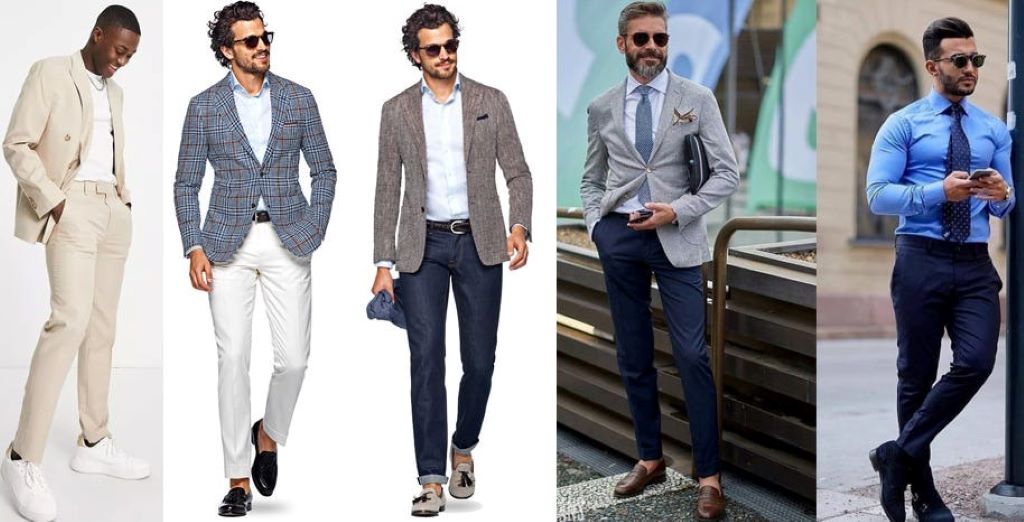
- Business Casual: This can be a tricky one as it varies widely by industry and company culture. Generally, it means slacks or chinos, a collared shirt (button-down, polo), a sweater or blazer, and loafers or dress shoes. Avoid jeans, t-shirts, and sneakers unless explicitly stated.
- Smart Casual: More relaxed than business casual but still put-together. Think dark wash jeans or chinos, a stylish button-down shirt (can be untucked if well-fitted), a fashionable sweater or sport coat, and clean, fashionable sneakers or loafers. This is where you can infuse more personality.
- Casual: This is your everyday comfort zone. Well-fitting jeans, t-shirts, polos, hoodies, and sneakers are all acceptable. However, “casual” doesn’t mean sloppy. Ensure your clothes are clean, in good condition, and fit well.
Dressing for Every Occasion: Practical Tips and Outfit Ideas
Now, let’s put these principles into practice with specific scenarios.
-
The Professional Arena: Boardrooms and Beyond
- Job Interview: Your goal is to convey competence and professionalism. A dark suit (navy or charcoal), a light-colored dress shirt (white or light blue), a conservative tie, and polished dress shoes are non-negotiable. Ensure your hair is neat and you’re well-groomed.
- Daily Office Wear (Business Professional): Rotate between two to three suits. Experiment with different shirt colors and tie patterns. Always opt for leather shoes and a matching leather belt.
- Daily Office Wear (Business Casual): Chinos in various colors (khaki, navy, olive), a range of button-down shirts (oxford cloth, chambray), polos, and merino wool sweaters. Loafers, desert boots, or stylish leather sneakers are appropriate. A sport coat can instantly elevate the look.
-
Social Engagements: Making a Statement
- Weddings:
- Formal/Black Tie: As described above, a tuxedo is essential.
- Cocktail: A dark suit is your safest bet. You can choose a more vibrant tie or pocket square to suit the celebratory atmosphere.
- Semi-Formal/Dressy Casual (Outdoor/Daytime): A light-colored suit (tan, light grey) or a sport coat with dress trousers. Linen blends are great for warmer weather. Avoid anything too casual.
- Date Night: Your attire should reflect the venue and your personality.
- Upscale Restaurant: Dark jeans or tailored trousers, a nice button-down shirt (maybe unbuttoned one or two buttons), and a stylish blazer. Polished shoes or fashionable loafers.
- Casual Dinner/Drinks: Dark wash jeans, a well-fitting t-shirt or polo, and a stylish jacket (denim, bomber, or a light overshirt). Clean, fashionable sneakers are acceptable.
- Parties (Birthday, Holiday, etc.):
- Casual Party: Stylish jeans or chinos, a cool t-shirt, a casual button-down, or a fun patterned shirt. Sneakers or casual boots.
- Upscale Party: Smart casual is usually appropriate. Dark jeans or tailored trousers, a sharp button-down, a blazer, and dressier shoes.
Read More: Personalized Cufflinks: How to Add a Touch of Heritage to Your Wardrobe
-
Weekend & Leisure: Comfort Meets Style
- Weekend Brunch/Casual Outing: Chinos or well-fitting dark wash jeans, a crisp t-shirt, a polo, or a casual button-down. Fresh sneakers, boat shoes, or casual loafers. Layer with a light jacket or sweater if needed.
- Travel: Comfort is key, but don’t sacrifice style. Joggers or comfortable chinos, a soft t-shirt or long-sleeve, a comfortable hoodie or light jacket. Slip-on sneakers or comfortable boots. Remember layers for varying temperatures.
- Sporting Events: Jersey of your favorite team, comfortable jeans or shorts (in summer), and sneakers. Keep it relaxed and comfortable, but still put-together.
Essential Wardrobe Investments: Building a Versatile Closet
To effortlessly navigate any occasion, consider these foundational pieces:
- Two Suits: One navy, one charcoal grey. These are your workhorses.
- Two Blazers/Sport Coats: One navy, one in a versatile pattern like houndstooth or a textured fabric.
- Five Dress Shirts: White, light blue, and a couple with subtle patterns.
- Three Pairs of Trousers: Grey wool, navy wool, and khaki chinos.
- Two Pairs of Dark Wash Jeans: One straight leg, one slim fit.
- Five Casual Shirts: A mix of polos, well-fitting t-shirts, and casual button-downs.
- One High-Quality Belt: Black leather and brown leather.
- Three Ties: A solid navy, a classic striped, and one with a subtle pattern.
- One Pair of Black Leather Dress Shoes: Oxfords or Derbies.
- One Pair of Brown Leather Dress Shoes: Brogues or loafers.
- One Pair of Versatile Sneakers: Clean, minimalist design.
- Outerwear: A trench coat or overcoat, a versatile casual jacket (e.g., bomber, denim).
Frequently Asked Questions (FAQs)
Q1: How do I know if my clothes fit properly?
A1: Generally, shoulder seams should align with your shoulders. Sleeves should end at your wrist bone, allowing about a quarter to half-inch of shirt cuff to show. Trousers should have a slight break over your shoes, or no break if you prefer a modern, tailored look. The waistband should fit comfortably without needing a belt to stay up.
Q2: Is it okay to wear sneakers with a suit?
A2: Generally, no, unless it’s a very specific fashion-forward or smart-casual event where a minimalist, clean white sneaker is intentionally paired with a deconstructed suit. For business or formal events, always opt for dress shoes.
Q3: How important are accessories in men’s style?
A3: Highly important! Accessories like watches, belts, pocket squares, ties, and even socks can significantly elevate an outfit and showcase your personal style. They are the finishing touches that pull a look together.
Q4: What’s the biggest mistake men make when dressing?
A4: The biggest mistake is neglecting fit. Even the most expensive clothes look cheap if they don’t fit well. The second biggest mistake is ignoring the occasion or dress code, leading to being either underdressed or overdressed.
Beyond the Fabric: The Confidence Factor
Ultimately, dressing for success isn’t just about the clothes; it’s about the confidence they instill. When you look good, you feel good, and that positive energy radiates outward, influencing how others perceive you. A well-dressed man commands respect, projects capability, and demonstrates attention to detail in all aspects of his life.
Don’t let your wardrobe be an afterthought. Take control of your image, understand the power of strategic dressing, and unlock a new level of self-assurance.
Ready to Transform Your Style?
Take the first step towards a more confident and stylish you! Start by auditing your current wardrobe. Identify what you have, what you need, and where you can improve. Invest in those foundational pieces, pay attention to fit, and experiment with new combinations. Share your biggest style challenge in the comments below, and let’s build a community of well-dressed gentlemen!
Read More: Why Men Wear Cargo Shorts?