The 90s are back, and they brought all their textures with them. From chunky knits to shiny vinyl, from soft velvet to rugged denim, the decade was a playground of tactile contrasts. Today, retro revival fashion is one of the biggest trends in style. However, mixing all these textures the right way can feel tricky at first.
The truth is that texture mixing is a skill anyone can learn. Once you understand a few simple rules, the combinations almost suggest themselves. This guide walks you through everything you need to know. You will discover which 90s textures to work with, how to layer them confidently, and how to avoid common pitfalls. Whether you are new to retro style or a devoted thrift-store regular, this article will sharpen your eye for texture.
Why Texture Matters So Much in 90s and Retro Revival Fashion
Texture is the part of an outfit you feel before you even touch it. It creates visual depth and makes a look far more interesting than color or silhouette alone. In the 1990s, designers leaned hard into texture contrasts. Think of a slip dress worn over a fitted ribbed turtleneck, or a fluffy faux-fur jacket thrown over a sleek bodycon top.
These combinations were not accidental. They were deliberate clashes that defined the decade’s aesthetic. Therefore, understanding why those contrasts worked is the first step to recreating them today. Retro revival fashion is not about copying old outfits exactly. It is about capturing the spirit of that texture-forward attitude and applying it with a modern eye.
Additionally, texture plays a huge role in how an outfit reads from a distance. A single-texture look can fall flat. A well-mixed outfit draws the eye and tells a story. That is exactly what the 90s did so well, and it is exactly what you can do now.
The Core Textures of 90s Fashion You Need to Know
Before you can mix textures, you need to know which ones belong to the era. The 90s had a very specific material palette. Getting familiar with it will make your retro outfits feel authentic rather than costumey.
Velvet
Velvet was everywhere in the 90s. It appeared in slip dresses, blazers, chokers, and even platform shoes. Velvet has a soft, light-absorbing surface that creates a rich, luxurious look. It pairs especially well with matte fabrics and rough textures because the contrast is so strong.
Denim
Denim was the foundation of almost every 90s wardrobe. Baggy jeans, denim jackets, overalls, and mini skirts all carried that familiar woven texture. Denim is a workhorse fabric. It provides a sturdy, casual base that anchors almost any texture combination. Additionally, its slight roughness contrasts beautifully with softer or shinier materials.
Plaid and Flannel
Grunge culture made plaid and flannel iconic in the early 90s. These woven, slightly rough fabrics bring a relaxed, rebellious energy. They work well when layered over smooth or slippery fabrics because the textural difference creates visual interest without trying too hard.
Satin and Silk-Like Fabrics
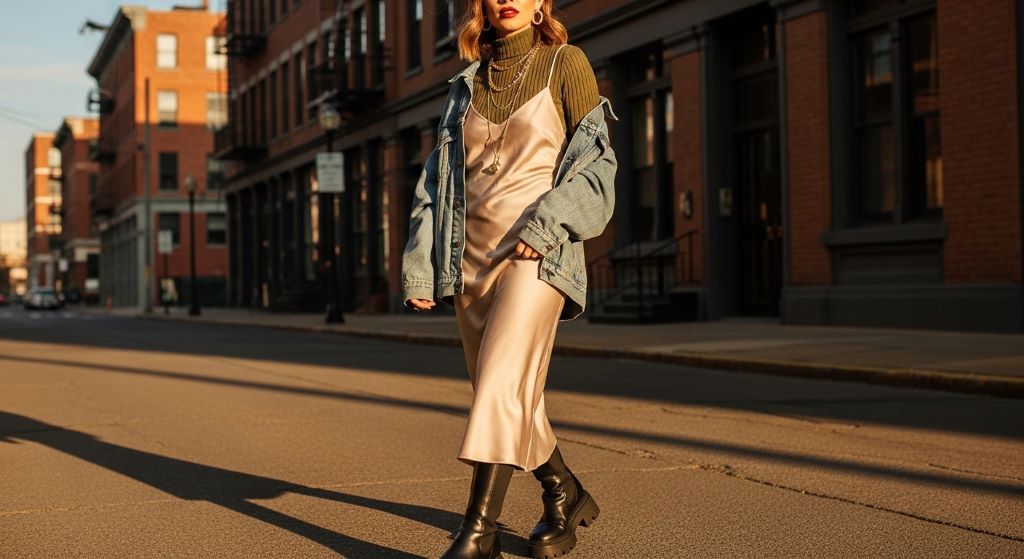
The slip dress trend brought satin and silk-like fabrics into everyday wear. These smooth, light-reflecting materials create a sleek, fluid look. However, their real power comes from contrast. A satin slip dress over a cotton tee or under a chunky knit is a classic 90s move that still looks fresh today.
Faux Fur and Fluffy Knits
Fluffy textures had a major moment in the 90s. Faux-fur coats, fuzzy bucket hats, and fluffy cardigans all brought a playful, tactile energy. These textures are high-impact. Therefore, it is best to keep the rest of the outfit relatively simple when using them.
Vinyl and Patent Leather
Shiny, plastic-looking vinyl and patent leather brought an edgy, almost futuristic quality to 90s fashion. Mini skirts, boots, and bags in these materials added a graphic pop to any outfit. They contrast powerfully with matte, soft, or woven textures.
Ribbed Knit
Ribbed knit turtlenecks and bodysuits were a staple of the 90s minimalist look. The fine, repeating ridges of ribbed fabric create a subtle texture that is versatile enough to pair with almost anything. It reads as slightly casual and very tactile, which makes it a great layering piece.
The Golden Rules of Mixing Textures the 90s Way
Mixing textures is not random. Even the most effortless-looking 90s outfits followed certain principles. Learning these rules will help you combine textures with confidence rather than guesswork.
Balance Rough with Smooth
One of the most reliable texture combinations is rough paired with smooth. A chunky knit sweater with a satin midi skirt. A denim jacket over a silky slip dress. Rough flannel tied around the waist over a smooth bodysuit. These pairings work because they create contrast without competing. One texture recedes while the other takes the spotlight.
Mix Matte and Shiny
Combining matte and shiny textures creates a sophisticated visual dynamic. A matte ribbed turtleneck under a shiny vinyl skirt is a perfect example. The dull finish of the knit makes the gloss of the vinyl pop even more. Additionally, this pairing keeps the outfit from looking overdone because the two elements balance each other.
Keep One Texture as the Hero
When you use a very strong texture like faux fur or vinyl, let it be the star. Keep everything else simple. A fluffy faux-fur coat looks stunning over a plain denim outfit. However, adding velvet and ribbed knit and plaid all at once can make the look feel chaotic. Therefore, choose one hero texture and support it with quieter ones.
Layer Thoughtfully
Layering is central to 90s style. The decade loved the look of multiple pieces worn at once. However, good layering requires thinking about how textures sit on top of each other. Heavier, stiffer textures like denim or leather work well as outer layers. Softer, finer textures like silk or ribbed knit work better underneath. This creates a logical, comfortable hierarchy.
Stick to a Unified Color Palette
Texture mixing can feel overwhelming if you are also juggling many colors. Therefore, a good strategy is to keep your color palette tight while varying your textures freely. An all-brown outfit with velvet trousers, a suede jacket, and a satin blouse looks intentional and rich. The texture variety does all the visual work without the chaos of clashing colors.
Outfit Formulas for Getting Texture Combinations Right
Sometimes the easiest way to learn is through concrete examples. These outfit formulas are directly inspired by 90s and retro revival style. Each one demonstrates a different approach to texture mixing that you can adapt to your own wardrobe.
- Grunge layering: A plaid flannel shirt worn open over a ribbed cotton tee, paired with distressed denim jeans and patent leather chunky boots
- Slip dress formula: A satin slip dress layered over a thin ribbed turtleneck, finished with a denim or leather jacket and simple sneakers
- Statement coat look: A faux-fur or fluffy teddy coat over a sleek monochrome base of ribbed leggings and a smooth bodysuit
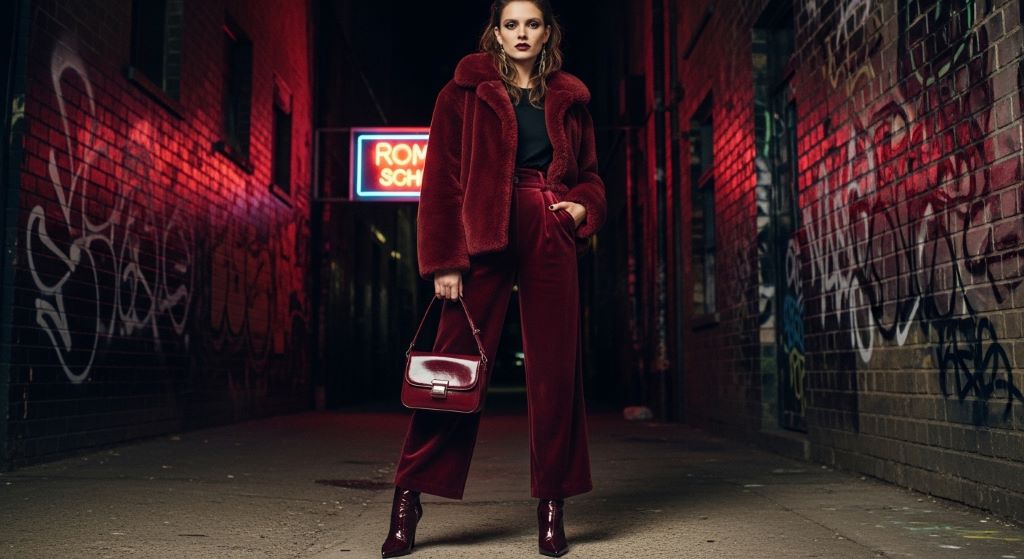
- Velvet evening outfit: Velvet wide-leg trousers paired with a smooth satin camisole and matte suede heeled boots
- Sporty retro mix: A glossy windbreaker jacket worn over a cotton hoodie, with baggy denim jeans and classic canvas sneakers
Each of these formulas follows the same logic. One strong or distinctive texture anchors the look. Supporting textures add depth without competing. The result feels authentically 90s while being entirely wearable today.
How to Shop for Retro Textures Without Breaking the Budget
One of the best things about 90s fashion is that it is highly accessible. You do not need to spend a lot of money to build a texture-rich retro wardrobe. In fact, thrift stores and vintage shops are some of the best places to find the real thing.
Velvet blazers, satin slip dresses, and flannel shirts are extremely common in second-hand stores. Additionally, online resale platforms have made it easier than ever to search for specific fabrics and styles. However, if you prefer new items, many high street brands now produce 90s-inspired pieces at affordable prices.
When thrifting for textures, train yourself to feel the fabric as well as look at it. Run your hand across the surface. Does it have the right weight and finish? A velvet top should feel plush and dense. A satin slip should feel cool and fluid. Developing this tactile awareness will make you a much more confident shopper and a more skilled dresser.
Common Texture Mixing Mistakes and How to Avoid Them
Even experienced dressers make texture mistakes sometimes. Knowing what to watch out for will save you from outfits that feel off without you knowing exactly why.
- Using too many high-impact textures at once, which makes the outfit feel cluttered and hard to read
- Pairing two very similar textures, such as two matte knits, which creates a flat, one-dimensional look
- Ignoring the weight and drape of fabrics when layering, which can create an unflattering silhouette
- Choosing texture combinations that clash in color as well as surface, which doubles the visual noise
- Playing it too safe by always sticking to one texture, which misses the whole point of retro revival dressing
The most common mistake is overcrowding. Therefore, when in doubt, simplify. Remove one element and see if the outfit improves. Often it does. The 90s were bold, but they also valued a certain cool restraint. That balance between boldness and simplicity is the sweet spot you are aiming for.
Styling Retro Textures for Different Occasions
One of the great strengths of 90s-inspired texture mixing is its versatility. The same principles apply whether you are dressing for a casual weekend, a night out, or even a smart-casual work setting.
Casual Daytime Looks
For daytime, lean into denim, flannel, and cotton as your base textures. These are easy, comfortable, and unmistakably 90s. Layer a ribbed knit under a denim jacket. Add texture through accessories like a suede bag or canvas sneakers. Keep the combination relaxed and unfussy.
Evening and Going-Out Outfits
For evening, reach for the more luxurious 90s textures. Velvet, satin, and vinyl all photograph beautifully under artificial light. A velvet mini dress with patent leather boots is a complete retro evening look. Additionally, adding a faux-fur stole or jacket introduces that playful 90s glamour that works so well for nights out.
Smart-Casual and Office-Appropriate Styling
90s textures can absolutely work in a professional setting when styled thoughtfully. A ribbed turtleneck under a tailored blazer is clean and polished. Velvet trousers in a deep, neutral color read as sophisticated rather than casual. The key is choosing refined versions of these textures and pairing them with structured silhouettes.
Accessories That Reinforce the Retro Texture Story
Accessories are your finishing tool in any texture-based outfit. They can either reinforce the look or undermine it. In 90s and retro revival fashion, accessories carry just as much textural weight as clothing.
Chunky platform shoes in patent leather or canvas add a textural anchor at the base of an outfit. Velvet chokers and scrunchies echo the softness of velvet clothing. Woven or straw bags bring an earthy, natural texture that contrasts nicely with slicker fabrics. Additionally, fishnet tights add a graphic, open-weave texture to any leg.
However, accessories should follow the same rule as clothing. Do not pile on too many competing textures at once. Choose accessories that either match or intentionally contrast with your main outfit textures. A silky smooth bag with a rough denim outfit creates a purposeful contrast. A velvet bag with a velvet dress creates a rich, tonal texture harmony. Both approaches work when done with intention.
Conclusion
Mixing textures in 90s and retro revival fashion is one of the most rewarding style skills you can develop. The decade gave us a rich material palette to work with, from velvet and satin to denim, flannel, and vinyl. Understanding which textures define the era is the starting point. From there, applying simple principles like balancing rough with smooth, mixing matte with shiny, and choosing one hero texture brings everything together.
Avoid the common mistake of overcrowding your outfit with too many bold textures at once. Instead, let one standout fabric lead and support it with quieter ones. Additionally, a unified color palette makes texture mixing far easier and more effective. Whether you are dressing for daytime, a night out, or the office, retro textures can be styled to suit any occasion.
Therefore, start experimenting with your wardrobe today. Pull out that satin slip dress and see what it looks like over a ribbed turtleneck. Try your denim jacket over something unexpected. The 90s spirit is all about confident self-expression. With the right texture knowledge, you can bring that energy fully into your own style.
Frequently Asked Questions
1. What are the most iconic textures in 90s fashion?
The most iconic textures from the 90s include velvet, satin, denim, plaid flannel, ribbed knit, faux fur, and vinyl. Each of these materials played a significant role in defining the decade’s look. Together, they form the core palette for any authentic retro revival outfit.
2. Can you mix more than two textures in one outfit?
Yes, you can mix more than two textures, but it requires care. The key is to ensure that one texture dominates while the others play a supporting role. Additionally, keeping the color palette simple helps prevent the look from becoming too busy. Three textures in one outfit can work beautifully when each one has a clear purpose.
3. Is it okay to mix vintage pieces with new clothing when doing retro revival fashion?
Absolutely. Mixing vintage and new pieces is not only acceptable, it is encouraged. Many of the best retro revival outfits combine a genuine vintage find with a modern wardrobe staple. The important thing is that the textures and proportions work together, regardless of when or where each piece was made.
4. How do I wear velvet without looking overdressed in a casual setting?
The trick to wearing velvet casually is to pair it with more relaxed textures. A velvet blazer looks far less formal over a plain cotton tee and jeans than it does with a silk blouse. Additionally, choosing velvet in a casual cut, such as a relaxed trouser or an oversized top, naturally reduces its dressiness.
5. What shoes work best with 90s texture-mixed outfits?
Platform shoes, chunky boots, canvas sneakers, and patent leather mary janes are all highly authentic 90s footwear choices. The best shoe depends on the rest of the outfit’s texture story. Patent leather boots add a shiny pop to matte outfits. Canvas sneakers ground a dressier texture combination. Chunky platform boots reinforce the decade’s love of bold, deliberate contrasts.
Related Topics:
Cultural Significance of Mexican Fabrics in Fashion Design
Best Luxury Brands with Budget-Friendly Options in 2025