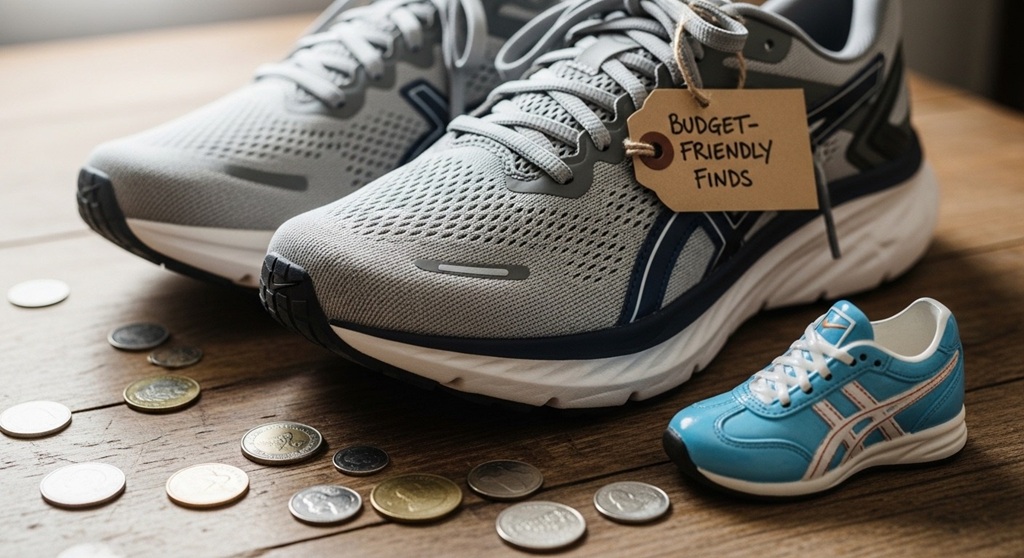
Running should be one of the most accessible sports in the world. You do not need a gym membership, expensive equipment, or complex training tools. But there is one thing every runner needs: the right pair of shoes.
Daily running shoes are designed for regular use—typically for jogging, training runs, or endurance workouts. These shoes prioritize comfort, durability, and balanced cushioning so runners can train consistently without injuries.
However, many runners assume quality running shoes must cost $150–$200. That belief keeps beginners from starting and pushes experienced runners to overspend.
The truth is simpler. Affordable endurance running shoes can provide excellent performance when you understand what features actually matter. Several running brands now produce budget-friendly jogging footwear that offers solid cushioning, breathable materials, and reliable grip.
A 2023 report from RunRepeat analyzing over 3,000 running shoes found that price does not strongly correlate with performance for daily training shoes. Many shoes under $100 scored similarly to premium models in comfort and durability tests.
This means smart selection matters more than price. When you understand how to evaluate cushioning, support, and durability, you can find running comfort without overspending.
This guide explains how to choose daily running shoes that deliver comfort, support, and long-term value—without breaking your budget.
What Makes a Good Pair of Daily Running Shoes?
Short Answer: A good daily running shoe provides balanced cushioning, breathable materials, proper fit, and durable outsoles designed for repeated training miles.
Daily trainers are different from racing shoes or specialized trail footwear. They are built for consistent mileage and long-term comfort.
Several core features define reliable jogging footwear.
1. Balanced Cushioning
Cushioning protects your joints during repeated impact. According to research from the American Council on Exercise, runners experience impact forces up to three times their body weight during each stride.
Good endurance running shoes distribute that force across foam midsoles.
- EVA foam – common in budget shoes, lightweight and durable
- Compression-molded EVA – improved shock absorption
- Gel or air inserts – added impact protection
Excess cushioning is unnecessary for most runners. Moderate cushioning works best for everyday training.
2. Breathable Upper Material
Running generates heat quickly. Breathable mesh uppers allow airflow and help prevent overheating and blisters.
Modern engineered mesh materials improve ventilation while maintaining structure.
3. Durable Outsole
The outsole handles friction with the ground. Budget shoes should still include durable rubber in high-impact zones.
High-wear areas include:
- Heel strike zones
- Forefoot push-off area
- Outer edges of the sole
A strong outsole extends shoe lifespan and improves traction.
4. Proper Fit
Fit remains the most important factor in running comfort tips.
Runners should maintain:
- Thumb-width space in the toe box
- Snug heel lockdown
- Flexible forefoot movement
Incorrect fit often causes blisters, hot spots, and long-term injuries.
How Much Should You Spend on Daily Running Shoes?
Short Answer: Most runners can find high-quality daily running shoes between $60 and $110.
Running shoe pricing typically falls into three categories.
| Price Range | Typical Features | Best For |
|---|---|---|
| $50–$70 | Basic EVA cushioning, mesh upper | Beginner runners |
| $70–$110 | Improved cushioning, better durability | Daily training and jogging |
| $120+ | Premium foam, lightweight racing tech | Competitive running |
For daily jogging footwear, the middle range usually delivers the best value.
Many brands release new models annually. Previous versions often drop 30–40% in price while maintaining nearly identical performance.
Buying last year’s model is one of the most reliable strategies for saving money.
What Features Should Budget Running Shoes Include?
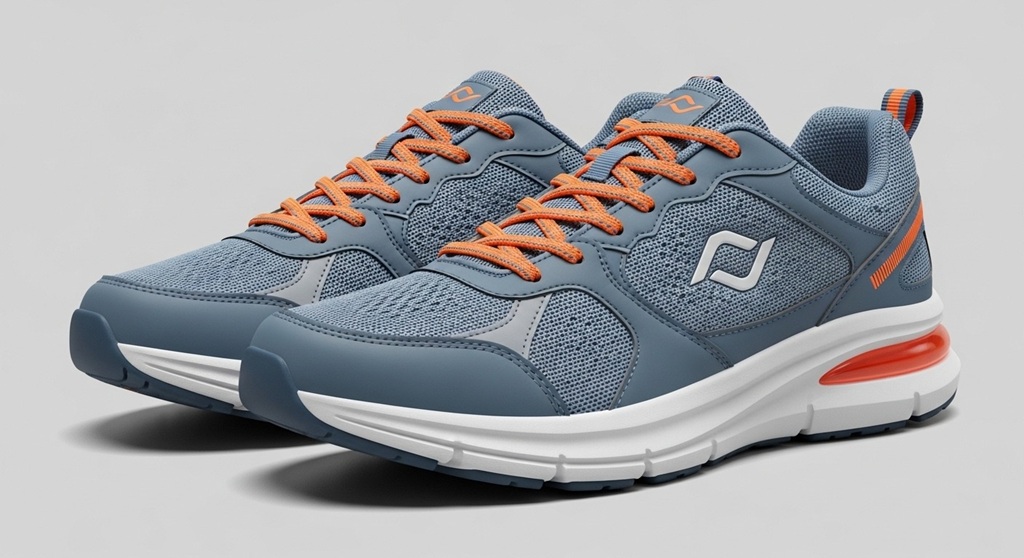
Short Answer: Budget running shoes should include breathable mesh, durable rubber outsole sections, moderate cushioning, and reliable heel support.
Affordable does not mean sacrificing performance. The key is focusing on functional features rather than marketing extras.
Essential Features
- Lightweight construction (8–11 oz)
- Breathable mesh upper
- Shock-absorbing midsole foam
- Durable outsole rubber
- Secure heel counter
These elements deliver consistent running comfort without raising production costs.
Features That Often Increase Price
- Carbon fiber plates
- Premium super foams
- Elite racing designs
- Limited edition colorways
Most daily runners do not need these features.
How Long Should Daily Running Shoes Last?
Short Answer: Most running shoes last between 300 and 500 miles depending on runner weight, terrain, and running style.
Midsole foam gradually compresses with repeated impact.
When cushioning deteriorates, runners may experience:
- Reduced shock absorption
- Foot fatigue
- Increased injury risk
Sports medicine research shows that replacing shoes around 400 miles reduces overuse injuries.
For runners averaging 15 miles per week, this equals roughly six months of use.
Budget shoes can reach similar mileage when they include strong outsole rubber and quality foam.
What Running Comfort Tips Help Maximize Shoe Value?
Short Answer: Proper fit, rotation, and maintenance can extend the lifespan of affordable running shoes.
1. Rotate Between Two Pairs
Midsole foam needs time to recover after compression. Alternating between two pairs allows cushioning to rebound.
This practice often extends lifespan by 20–30%.
2. Avoid Using Running Shoes for Daily Walking
Many runners wear their jogging footwear throughout the day. This adds unnecessary wear.
Keeping shoes exclusively for running preserves their cushioning.
3. Air Dry After Wet Runs
Moisture weakens shoe materials. After rainy runs, remove insoles and allow shoes to air dry naturally.
Avoid dryers or heaters that damage foam.
4. Track Mileage
Apps like Strava or Garmin Connect help runners monitor shoe mileage. This makes it easier to replace shoes before performance declines.
What Case Study Shows Budget Running Shoes Work?
Short Answer: Real-world runner data shows affordable training shoes often perform as well as premium models.
A 2022 analysis from the independent running review platform RunRepeat examined thousands of user reviews and lab tests.
Key findings included:
- Average price of top-rated daily trainers: $97
- Many shoes under $100 scored above 85/100
- Durability ratings were similar across price ranges
Another study from Sports Medicine Research tracked recreational runners over six months.
The study compared runners using premium shoes ($180) versus mid-range trainers ($90).
Results showed:
- No significant injury difference
- Similar comfort ratings
- Comparable durability
The conclusion was clear. Proper fit and cushioning matter more than price.
Where Can You Find Affordable Running Shoes?
Short Answer: Discounts, outlet stores, and previous-season models offer the best value.
Reliable Places to Shop
- Brand outlet stores
- End-of-season sales
- Online running retailers
- Clearance events
Retailers often reduce prices when new models launch.
Buying during these periods can reduce costs significantly.
Timing Matters
Major sales periods include:
- Black Friday
- Holiday clearance
- Spring running season launches
Strategic timing allows runners to purchase quality endurance running shoes at lower prices.
How Do You Test Running Shoes Before Buying?
Short Answer: Walk, jog briefly, and check pressure points before committing to a pair.
Testing shoes properly reduces the risk of discomfort later.
When trying on running shoes:
- Wear your usual running socks
- Test them in the afternoon when feet swell
- Walk or jog briefly
- Check toe room and heel stability
Discomfort during testing usually worsens during longer runs.
Trust immediate feedback from your feet.
Conclusion: How Can You Choose the Best Budget Running Shoes?
Running does not require expensive equipment, but the right shoes make a major difference in comfort and consistency.
The key to choosing affordable jogging footwear is understanding what features truly matter. Balanced cushioning, breathable materials, proper fit, and durable outsoles deliver the performance most runners need.
Research consistently shows that mid-range endurance running shoes can perform just as well as premium models. Smart shopping strategies—such as buying previous-year models or waiting for seasonal sales—can reduce costs even further.
By focusing on functionality instead of hype, runners can find reliable shoes that support daily training without overspending.
If you are starting a running routine or upgrading your current pair, use the tips in this guide to evaluate your options carefully.
Your next run starts with the right foundation. Take time to choose shoes that support your goals, protect your body, and keep you moving comfortably mile after mile.
Ready to improve your running routine? Start by comparing budget-friendly running shoes and testing what feels best for your stride.
FAQ: Daily Running Shoes
Do expensive running shoes reduce injury risk?
No. Research shows that injury risk depends more on fit, running form, and training habits than price. Well-fitted mid-range shoes can provide similar protection.
How often should runners replace jogging footwear?
Most running shoes should be replaced after 300–500 miles. Cushioning compression and outsole wear reduce shock absorption beyond this range.
Are lightweight shoes better for daily running?
Not always. Lightweight shoes work well for speed workouts, but daily training shoes benefit from moderate cushioning and durability.
Can beginners use endurance running shoes?
Yes. Endurance running shoes are designed for repeated training miles and work well for beginners building running habits.
Is it okay to run in older shoes?
If cushioning and outsole traction remain intact, older shoes may still be usable. However, worn midsoles increase fatigue and injury risk.
Do running shoes need a break-in period?
Modern running shoes usually feel comfortable immediately. If discomfort appears during early runs, the shoe may not be the right fit.
Should runners own more than one pair?
Yes. Rotating two pairs allows foam cushioning to recover between runs and extends shoe lifespan.
Read More Also: Caring for Luxury: How to Clean Your Saffiano Leather Purse
Up Next: Best alternatives to hairspray