
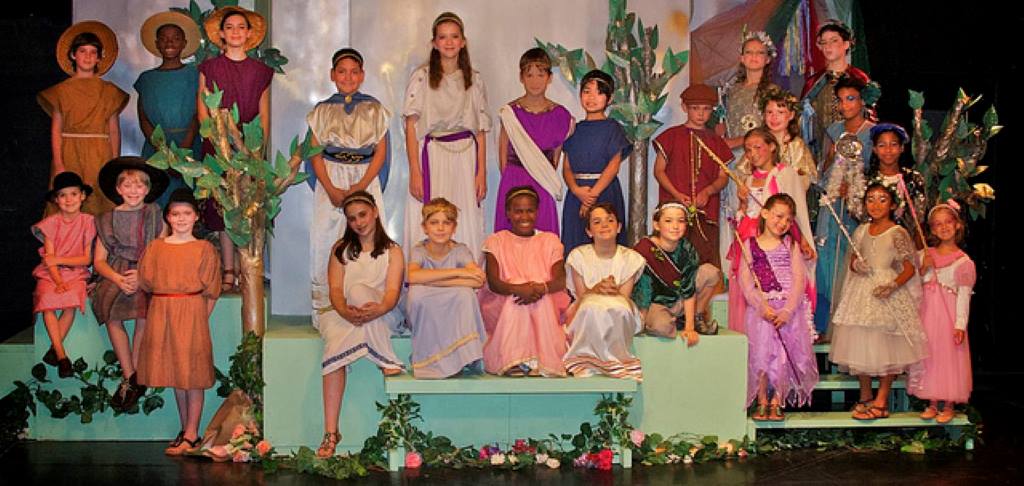
Shakespeare’s world captivates. His stories of love, betrayal, and adventure still resonate centuries later. For middle schoolers, diving into Shakespeare’s plays opens doors to creativity, critical thinking, and cultural awareness. But how do you make Elizabethan English accessible to 11- to 14-year-olds? This article explores the best Shakespeare plays for middle schoolers, practical teaching strategies, and engaging activities to spark a love for the Bard. According to the Folger Shakespeare Library, over 50% of U.S. schools include Shakespeare in their curriculum. A 2023 study by the National Endowment for the Arts found that early exposure to theater boosts empathy and communication skills in students. Let’s bring Shakespeare to life for young learners.
Why Teach Shakespeare to Middle Schoolers?
Shakespeare’s plays offer timeless lessons. They explore human emotions, relationships, and conflicts that resonate with young teens. Middle schoolers, navigating their own social and emotional growth, connect with these themes. Teaching Shakespeare builds literary analysis skills, improves vocabulary, and fosters cultural awareness. His works also align with AP English Literature standards, preparing students for future academic challenges.
Theater engages students. Performance-based approaches, like acting out scenes or memorizing lines, make learning interactive. Shakespeare’s plays encourage teamwork, public speaking, and creativity. Plus, they’re fun. The mix of comedy, tragedy, and romance grabs young imaginations.
Best Shakespeare Plays for Middle Schoolers
Not all of Shakespeare’s plays suit middle schoolers. Complex plots or heavy themes can overwhelm. Here are the top plays that balance accessibility, engagement, and educational value, based on their popularity in middle school curricula and the Folger collection.
1. Romeo and Juliet

The story of star-crossed lovers captivates young teens. Its themes of love, conflict, and family obligation hit home. The play’s action-packed plot, including sword fights and dramatic deaths, keeps students engaged. Simplified Folger editions make the text accessible.
- Why It Works: Teens relate to the impulsive passion of Romeo and Juliet. The plot’s intensity holds their attention.
- Teaching Tip: Use a character map to track relationships. Act out the balcony scene for a performance-based approach.
- Activity: Create a modern-day English version of a key scene. Students rewrite lines like “Wherefore art thou Romeo?” in today’s slang.
2. A Midsummer Night’s Dream
This comedy of mistaken identities and magical mischief is a middle school favorite. Fairies, love potions, and humorous mix-ups make it light and approachable. The short script suits shorter attention spans.
- Why It Works: The whimsical plot and comedic narration appeal to young readers. It introduces Shakespeare’s humor without heavy themes.
- Teaching Tip: Use coloring pages of fairies or the forest to visualize the setting. Discuss how stage directions and sound effects enhance the play.
- Activity: Stage a simple set production of the play-within-a-play scene. Students design costumes or props for Puck or Oberon.
3. Twelfth Night
Twelfth Night blends romance, comedy, and mistaken identities. Its lighthearted tone and manageable length suit middle schoolers. The play explores friendship and love, resonating with young teens.
- Why It Works: The cross-dressing plot and witty dialogue grab attention. It’s less tragic than Romeo and Juliet but still rich for analysis.
- Teaching Tip: Focus on Viola’s disguise to discuss gender roles. Use a performance-based approach to act out key scenes.
- Activity: Write “Shakespeare Insults for Kids” based on the play’s witty banter. Students create playful insults like “thou art a motley-minded knave.”
4. The Tempest
This magical tale of shipwrecks, wizards, and spirits enchants middle schoolers. Its fantastical elements and clear plot make it accessible. The theme of forgiveness adds depth.
- Why It Works: Prospero’s magic and Caliban’s antics spark imagination. The short script fits classroom time constraints.
- Teaching Tip: Use audio recordings of Prospero’s speeches to highlight Shakespearean soliloquies. Discuss the island as a unit set.
- Activity: Design a simple set for the island. Students draw or build a model with waves, trees, or caves.
5. Much Ado About Nothing
This comedy of love and deception offers humor and relatable characters. Beatrice and Benedick’s witty banter entertains. The plot is straightforward, avoiding complex subplots.
- Why It Works: The focus on love and friendship connects with teens. The comedic tone keeps it light.
- Teaching Tip: Compare Beatrice and Benedick’s relationship to modern rom-coms. Use a character map to track their arc.
- Activity: Perform a short duologue between Beatrice and Benedick. Students practice memorized lines for confidence.
Teaching Strategies for Shakespeare in Middle Schools
Teaching Shakespeare to middle schoolers requires creativity. His language, rooted in Elizabethan English, can feel daunting. Here are proven strategies to make his plays accessible and engaging.
Simplify the Language
Start with modern English summaries. Break down complex passages into simple sentences. Use Folger editions, which include notes and translations. Pair original text with modern-day English versions to ease understanding.
- Example: Translate “O Romeo, Romeo, wherefore art thou Romeo?” to “Why are you called Romeo?” Discuss the emotional weight of the line.
- Tool: Use the Folger Shakespeare Library’s online resources for side-by-side texts.
Use Performance-Based Learning
Acting brings Shakespeare to life. Students learn by doing. Assign short scripts or duologues for small groups. Encourage expressive reading to understand tone and emotion.
- Activity: Host a “hot seat” session. One student plays a character (like Juliet or Puck) and answers classmates’ questions in character.
- Benefit: Builds confidence and deepens character understanding.
Incorporate Visual and Audio Resources
Visuals and sounds make abstract concepts concrete. Show clips from theater company productions. Use audio recordings to model pronunciation. Create coloring pages or visual resources for settings like Verona or the enchanted forest.
- Example: Play sound effects of storms for The Tempest. Discuss how they set the mood.
- Tool: Access Folger collection videos for professional performances.
Connect to Modern Themes
Relate Shakespeare’s themes to today’s world. Discuss how Romeo and Juliet’s family conflicts mirror modern social divides. Explore how Twelfth Night’s disguises reflect identity exploration in teens.
- Activity: Write a short essay comparing a play’s theme to a current event. For example, link Julius Caesar’s betrayal to loyalty in friendships.
- Benefit: Builds cultural awareness and critical thinking.
Use Interactive Activities
Engage students with hands-on tasks. Create a drama camp vibe with theater games. Design a simple set or unit set for a scene. Write Shakespearean sonnets or modern versions of lines.
- Example: Host a “Shakespeare Set Free” workshop. Students perform short scenes or create props.
- Activity: Make a “Lines of Love and Friendship” poster. Students collect quotes about love from Romeo and Juliet or Twelfth Night.
Related:
The Role of Educational Books in Digital Literacy for Kids
The Tricky Riddle: What Question Can You Never Answer Yes To?
Activities to Engage Middle Schoolers
Interactive activities make Shakespeare fun. They blend creativity, collaboration, and learning. Here are five activities to try in the classroom or drama camp.
- Create a Character Map
- Students draw a diagram of relationships in a play, like Romeo and Juliet. Label connections (friend, enemy, lover) to clarify the plot.
- Benefit: Simplifies complex narratives. Encourages teamwork.
- Write Modern Scripts
- Rewrite a scene in modern-day English. For example, turn Mercutio’s Queen Mab speech into a rap or text message exchange.
- Benefit: Makes language relatable. Sparks creativity.
- Design a Simple Set
- Students sketch or build a set for a play, like the forest in A Midsummer Night’s Dream. Use minimal props for a unit set approach.
- Benefit: Encourages visual thinking. Ties to stage directions.
- Perform Shakespeare Duologues
- Pair students to act out two-character scenes, like Beatrice and Benedick’s banter. Focus on memorized lines and expression.
- Benefit: Builds public speaking skills. Makes learning active.
- Host a Hot Seat Session
- One student plays a character (e.g., Queen Gertrude) and answers questions in character. Classmates ask about motives or feelings.
- Benefit: Deepens character analysis. Encourages empathy.
Overcoming Common Challenges
Teaching Shakespeare to middle schoolers has hurdles. Elizabethan English confuses. Complex plots overwhelm. Attention spans waver. Here’s how to address these issues.
- Language Barrier: Use Folger editions with notes. Pair with modern translations. Practice reading aloud to build familiarity.
- Complex Plots: Summarize acts before reading. Use character maps or visual resources to track relationships.
- Engagement: Break lessons into short, interactive chunks. Mix reading with acting, drawing, or writing activities.
- Reluctance to Perform: Start with low-stakes tasks, like reading lines in pairs. Build to full performances in a supportive drama camp setting.
The Role of Theater Partners
Collaborating with theater companies enhances learning. Many offer workshops or performances tailored for middle schools. The Folger Shakespeare Library partners with theaters to provide resources like scene books or scripts. These partnerships bring professional actors to classrooms, modeling performance techniques.
- Example: A theater company performs a shortened Midsummer Night’s Dream. Students discuss staging and sound effects afterward.
- Benefit: Exposes students to live theater. Inspires interest in the arts.
Shakespeare’s Lasting Impact
Shakespeare’s plays endure for a reason. They explore universal themes—love, betrayal, identity—that speak to all ages. For middle schoolers, these stories build empathy, creativity, and critical thinking. The Folger Shakespeare Library notes that students who study Shakespeare score higher on literary analysis tests. A 2022 study by the Shakespeare Theatre Company found that theater-based learning improves student engagement by 30%.
By using performance-based approaches, simplified texts, and interactive activities, teachers make Shakespeare accessible. Middle schoolers discover the joy of his words, from star-crossed lovers to magical forests. The Bard’s world becomes a playground for learning.
Bring Shakespeare to your classroom. Pick one play, like Romeo and Juliet or A Midsummer Night’s Dream. Try a hot seat session or simple set design. Watch your students fall in love with the Bard.
FAQs
Why is Shakespeare taught in middle schools?
Shakespeare builds literary analysis, empathy, and communication skills. His themes of love and conflict resonate with teens. Plays align with AP English Literature standards.
Which Shakespeare play is easiest for middle schoolers?
A Midsummer Night’s Dream is easiest. Its comedic plot, short script, and magical elements engage young readers without overwhelming them.
How can I make Shakespeare fun for students?
Use performance-based activities like acting out scenes or hot seat sessions. Incorporate visuals, modern translations, and theater games for engagement.
What resources help teach Shakespeare to middle schoolers?
Folger Shakespeare Library offers texts, videos, and lesson plans. Theater company workshops and audio recordings enhance learning.
How do I handle Elizabethan English with students?
Start with modern English summaries. Use Folger editions with notes. Practice reading aloud and rewrite lines in modern-day English.
