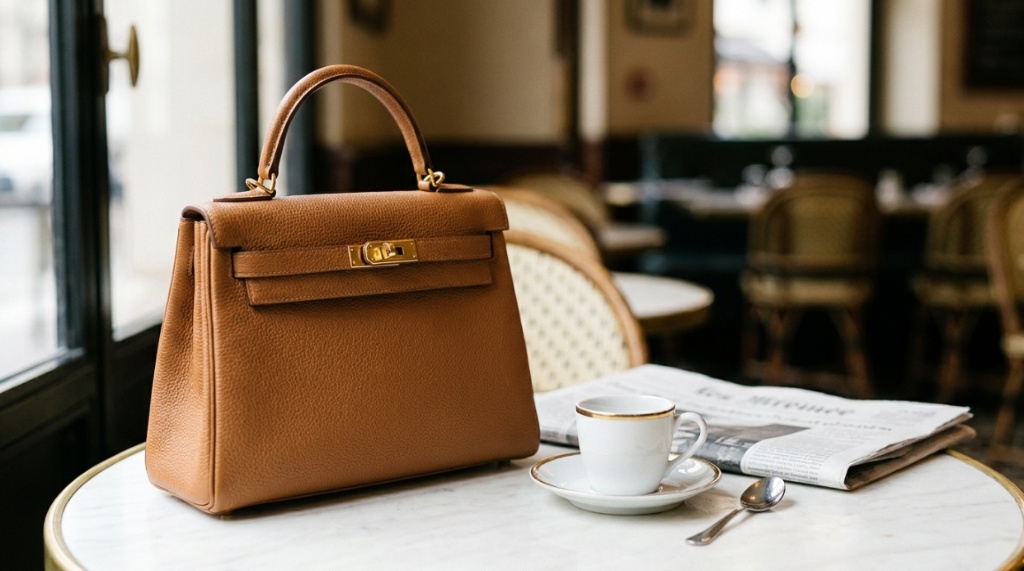
My grandmother’s 1978 Hermès Kelly still draws more compliments than anything sold on luxury retail floors today — and that single observation tells you everything about why designer top handle bags with timeless design outperform trend-driven purchases by decades. While seasonal “it bags” cycle through relevance in 18–24 months before becoming dated relics of a specific fashion moment, properly chosen timeless handbags with structured top handles gain character and cultural relevance with each passing year. The Chanel Classic Flap, the Lady Dior, the Hermès Kelly — these bags are not just accessories; they are portable architecture that transcends seasons, decades, and generational shifts in taste. Finding a designer top handle bag that will never feel dated requires understanding what separates enduring design from temporary trends — a skill that saves you from the expensive cycle of buying, loving, and discarding bags that stop feeling relevant every two years.
What Design Elements Make a Top Handle Bag Truly Timeless?
Timeless top handle bags share five design constants: a structured rectangular silhouette with soft corners, a single-tone neutral colorway, hardware that functions without being decorative excess, proportions that complement human scale, and construction quality that improves rather than degrades with age.
Each element analyzed:
- Structured rectangular silhouette: The rectangle with softened edges is the only bag shape that has remained continuously fashionable since the 1930s. Circles, triangles, trapezoids, and extreme geometries cycle in and out. The structured rectangle persists because it mirrors the proportions of what it carries (rectangular phones, wallets, books).
- Neutral single-tone color: Black, tan, burgundy, navy, cream — single-color bags without color blocking or pattern never date because they never reference a specific era’s color trends. Multi-colored or patterned bags immediately identify their decade.
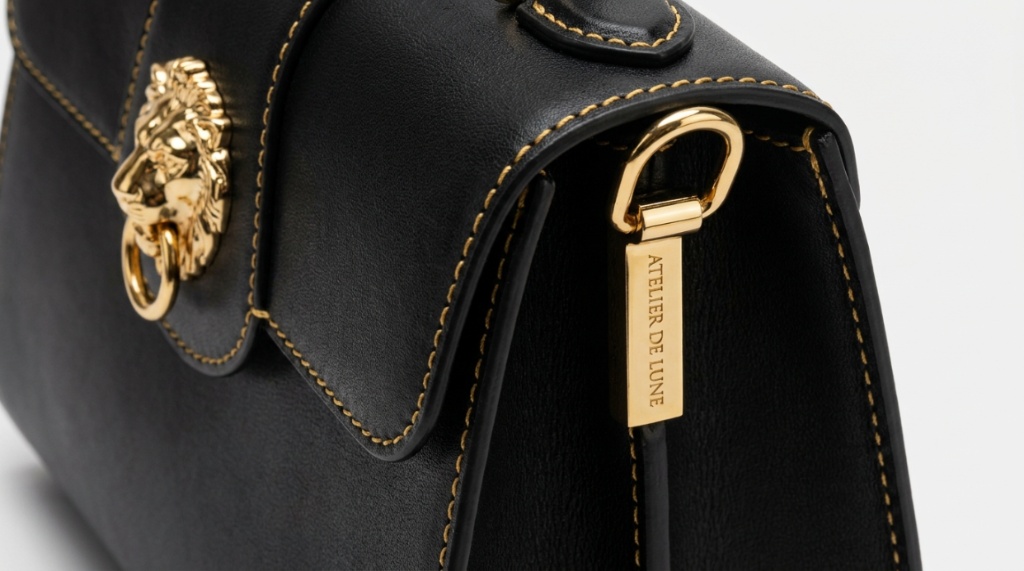
- Functional hardware: Locks that lock, clasps that clasp, feet that protect — hardware serving purpose ages well. Decorative chains, dangling charms, or oversized logos reference specific trend moments and date visibly.
- Human-scale proportions: Bags measuring approximately 9–12 inches wide maintain visual harmony with the human body regardless of fashion era. Extremely oversized or extremely miniature bags reference specific trend cycles.
- Age-improving materials: Full-grain leather, polished brass, and natural textiles develop beautiful patina over time. Synthetic coatings, fashion leathers, and plated hardware degrade visibly — marking the bag as aging rather than maturing.
Which Designer Top Handle Bags Have Proven Their Timelessness?
The Hermès Kelly (1935), Hermès Birkin (1984), Lady Dior (1995), Chanel Coco Handle (2015), Celine 16 (2018), and Valextra Iside (1954) have demonstrated multi-decade or accelerating relevance — establishing them as proven timeless investments rather than speculative trend bets.
| Bag | Year Introduced | Decades Relevant | Current Resale vs Retail | Price Range (New) |
|---|---|---|---|---|
| Hermès Kelly | 1935 | 9 decades | 120–400% of retail | $9,000–$15,000+ |
| Hermès Birkin | 1984 | 4 decades | 100–300% of retail | $10,000–$15,000+ |
| Lady Dior | 1995 | 3 decades | 70–110% of retail | $5,500–$7,000 |
| Valextra Iside | 1954 | 7 decades | 50–70% of retail | $3,500–$4,500 |
| Chanel Coco Handle | 2015 | 1 decade (rising) | 90–120% of retail | $4,500–$6,000 |
| Celine 16 | 2018 | Emerging classic | 60–80% of retail | $3,500–$5,000 |
The pattern: bags that achieve timeless status share minimal branding, classic proportions, exceptional materials, and a silhouette that does not reference any specific trend moment. They were designed to look permanent, and they achieved that goal.
How Do You Distinguish Timeless Design From “Classic-Looking” Trend Bags?
Truly timeless bags are designed without reference to current trends and derive their appeal from proportion, material, and craftsmanship alone — while “classic-looking” trend bags incorporate subtle contemporary signals (specific hardware shapes, trendy proportions, fashionable textures) that date them within 3–5 years.
Diagnostic questions to ask before purchasing:
- Could this bag exist in 1960 without looking futuristic? If yes, the design draws from enduring principles. If no, it incorporates modern elements that will eventually feel dated.
- Could this bag exist in 2040 without looking vintage? If yes, the design avoids time-specific references. If it already feels “of this moment,” that moment will pass.
- Is the appeal in the design itself or in its association with current tastemakers? Bags that need celebrity endorsement or social media visibility to feel desirable lose appeal when attention moves elsewhere.
- Does the hardware reference a specific era’s aesthetic? Chunky gold chains = 1980s/2020s revival. Thin minimal hardware = 2010s minimalism. Truly timeless hardware is functional, proportioned, and unremarkable in its restraint.
- Is the shape a standard silhouette or a novelty interpretation? Standard rectangular frames endure. Novelty shapes (half-moons, triangles, asymmetric) reference the moment they were designed.
What Price Range Offers the Best Access to Timeless Designer Top Handle Bags?
The $2,000–$5,000 range offers access to genuinely timeless designer top handle bags with heritage construction quality — below $2,000 typically means contemporary brands still establishing longevity, while above $5,000 enters ultra-luxury territory where exclusivity drives pricing beyond material justification.
Access points by budget:
- $500–$1,500 (Emerging timeless): Brands building reputations for enduring design but without multi-decade track records. Polene, DeMellier, Strathberry. Beautiful bags that may become classics — but it is not yet proven.
- $1,500–$3,000 (Accessible heritage): Established brands with proven longevity offering entry-level lines. Mulberry, Aspinal of London, Valextra (smaller sizes), Mark Cross. Higher probability of enduring appeal based on brand track record.
- $3,000–$5,000 (Proven timeless): Heritage houses with bags already demonstrating multi-decade relevance. Lady Dior, Celine 16, Fendi Peekaboo, Gucci Bamboo. Strong investment with demonstrated resale stability.
- $5,000–$15,000+ (Icon status): Bags with waitlists, appreciating value, and cultural permanence. Hermès Kelly, Hermès Birkin, Chanel Classic. Not accessible to all budgets but represent the pinnacle of timeless investment.
The pre-owned market expands access significantly: a Lady Dior in excellent condition retails $5,500 new but trades at $3,000–$4,000 pre-owned — delivering the same timeless design and construction at a 25–40% discount without meaningful quality difference.
How Does Brand Heritage Indicate a Bag’s Timeless Potential?
Brands with 50+ years of continuous operation, a documented archive of iconic designs, and demonstrated resale value across decades provide the highest probability that their current offerings will maintain relevance — because their design DNA has already survived multiple complete fashion cycles.
Heritage indicators that predict timelessness:
- Decade-spanning relevance: Has the brand produced bags that are still desirable 20+ years after release? If yes, their design principles prioritize permanence.
- Consistent design language: Brands that reinvent themselves every 2–3 years produce trend bags, not timeless ones. Brands with recognizable, consistent aesthetic produce bags that maintain identity across eras.
- Craftsmanship continuity: Brands maintaining the same workshops, artisan training programs, and material standards across decades deliver consistent quality that ages reliably.
- Resale market strength: Active secondary markets with stable or appreciating prices indicate genuine demand beyond initial purchase enthusiasm.
- Minimal trend-chasing: Heritage brands that resist following every trend cycle demonstrate confidence in their own design principles — exactly the quality that produces timeless products.
For detailed evaluations of designer top handle bags assessed for timeless design principles and lasting value, the best designer top handle bags reviewed for lasting style provides analysis of silhouettes, construction quality, and style longevity across multiple heritage and contemporary brands — helping you identify bags designed for decades rather than seasons.
How Should You Buy a Timeless Top Handle Bag to Maximize Its Longevity?
Buy in the most neutral available colorway, in the most standard size offered, in the smoothest leather option, with the most understated hardware finish — each conservative choice extends the bag’s contextual relevance across more outfits, occasions, and years than bolder alternatives.
Longevity-maximizing purchase decisions:
- Color: Black first. Tan/cognac second. Burgundy or navy third. These colors never feel dated and pair with maximum wardrobe range. Seasonal colors (sage green, lavender, coral) reference specific trend moments.
- Size: The brand’s most popular/standard size rather than seasonal mini or oversized versions. Standard sizes represent the proportions the designer considered most harmonious.
- Leather: Smooth leather ages most gracefully. Exotic skins (python, croc) fluctuate in fashion acceptability. Suede requires high maintenance. Patent leather references specific eras. Smooth full-grain is eternally appropriate.
- Hardware: Gold tone or silver tone based on your jewelry preference — but always the brand’s standard finish rather than seasonal colored hardware (rose gold, gunmetal, etc.) which dates faster.
- Branding: If options exist, choose minimal or subtle branding. Monogram versions identify the purchase era based on logo treatment trends. Unbranded or subtly branded versions remain era-ambiguous.
Investing in a timeless piece requires looking beyond aesthetics and evaluating true craftsmanship. While classic silhouettes ensure your bag remains fashionable for decades, verifying authenticity is what protects your financial investment. For instance, expert fashionistas frequently study how Resellers in New York, NY Spot Hidden Manufacturing Marks on Premium Handbags to ensure they are buying genuine heritage pieces. Learning these insider authentication tricks will give you the confidence to shop the secondary market and secure a classic bag that holds its value forever.
Conclusion
Finding designer top handle bags that never go out of style requires choosing design over fashion — prioritizing structured silhouettes, neutral colors, functional hardware, and full-grain leather that improves with time over trendy shapes, seasonal colors, and decorative details that reference specific moments. The bags that achieve icon status share a common trait: they were designed to look permanent from day one, drawing from proportion and craftsmanship rather than novelty and trend alignment.
Invest in one genuinely timeless piece rather than rotating through trend-driven purchases every 18 months. The math consistently favors the single excellent choice: a $3,000 timeless bag worn for 15+ years costs $200/year. Three $800 trend bags replaced every 3 years costs $800/year for inferior quality and diminishing style relevance. Timelessness is not just an aesthetic — it is the most economical approach to luxury.
Which designer bag has stayed in your rotation the longest — and what kept it relevant while others fell out of favor? Share below.
Frequently Asked Questions
How do I know if a bag will still be stylish in 10 years?
Apply the decade test: could this bag have been carried in 2014 without looking dated? Could it work in 2034 without looking vintage? Bags that pass both tests use timeless design principles — standard proportions, neutral colors, minimal trend references. If the bag’s appeal depends on current fashion context, it will not survive context change.
Are vintage designer top handle bags a good investment?
Quality vintage bags (1960s–1990s) from heritage brands often represent excellent value — proven timelessness at 30–70% below equivalent current retail. However, verify authenticity through reputable services, inspect hardware and leather condition carefully, and budget for professional restoration if needed. The best vintage purchases are bags that look as appropriate today as they did at release.
Does buying a limited edition make a bag more timeless?
No — limited editions often use trend colors, unusual materials, or special hardware that dates them more specifically than standard versions. Scarcity may increase resale value, but it does not increase timelessness. The most enduring bags are standard production models in classic configurations that represent the brand’s permanent design language.
Can a contemporary brand produce a timeless bag without heritage?
Yes, but it is unproven until decades pass. Brands like Polene, Songmont, and DeMellier design with timeless principles (neutral colors, classic proportions, quality materials). Their bags may become classics — but we cannot confirm timelessness until a design survives 15–20+ years of fashion change. Buy them if you love the design; just acknowledge the longevity is speculative rather than proven.
Should I buy the trendy color version of a timeless bag?
Only as a second or third purchase — never as your only or primary version. Own the classic colorway first (black, tan) for maximum daily relevance, then add a seasonal color if your budget allows experimentation. A pink Kelly is still beautiful, but a black Kelly works with everything forever. Prioritize versatility for your first investment, personality for subsequent ones.
How important is the bag’s country of manufacture?
Manufacturing origin indicates craftsmanship standards and affects long-term quality. Italian, French, and Spanish manufacturing typically indicates highest leather-working tradition and quality control. British manufacturing excels in bridle leather goods. Asian manufacturing varies widely — some brands maintain excellent standards, others reduce quality for margin. Research the specific brand’s manufacturing reputation rather than making country-based assumptions.
Do designer bags really appreciate in value over time?
Only a small subset of designer bags appreciate: primarily Hermès (Kelly, Birkin), select Chanel styles, and rare vintage pieces from heritage houses. Most designer bags depreciate 20–50% immediately upon purchase and further over time. Buying “for investment” is speculative unless purchasing proven appreciating models. Buy for use and enjoyment; consider any value retention a bonus rather than a guarantee.