

Choosing an engagement ring is one of the most meaningful decisions you’ll make in your relationship journey. While diamonds have long dominated the engagement ring scene, more couples are discovering the passionate beauty and deep symbolism of rubies. These stunning gems offer a bold alternative that speaks volumes about love, devotion, and individuality.
A ruby engagement ring makes an unforgettable romantic statement. The vibrant red color symbolizes passion, protection, and everlasting love. Throughout history, rubies have captivated hearts and minds, adorning the crowns of royalty and serving as treasured heirlooms passed down through generations. Today, they continue to enchant modern couples seeking something extraordinary.
This comprehensive guide will walk you through everything you need to know about selecting the perfect ruby engagement ring. From understanding quality factors to choosing the right setting, you’ll gain the knowledge needed to make a confident decision that celebrates your unique love story.
Understanding the Romance Behind Rubies
Rubies have symbolized passionate love and unwavering devotion for thousands of years. Ancient cultures believed these fiery gems held the power to kindle romance and maintain love’s flame throughout a lifetime. The deep red color has always been associated with the heart, desire, and the intensity of true love.
In medieval Europe, people wore rubies believing they brought good fortune to marriages and protected relationships from harm. Warriors carried them into battle, trusting in their power to bring courage and victory. Royalty favored these gems above all others, considering them more valuable than diamonds in many eras.
The ruby’s connection to the heart goes beyond mere symbolism. Some ancient civilizations believed rubies contained an internal fire that could never be extinguished, making them the perfect representation of eternal love. This mythology continues to resonate with couples today who want their engagement ring to tell a story deeper than traditional choices.
Moreover, choosing a red gemstone engagement ring demonstrates thoughtfulness and creativity. It shows you’ve considered what truly represents your relationship rather than simply following convention. This personal touch makes the ring even more meaningful to both partners.
Evaluating Ruby Quality and Characteristics
Understanding ruby quality helps you select a gem that will remain beautiful for generations. Like diamonds, rubies are evaluated based on specific characteristics, though the criteria differ somewhat from traditional diamond grading.
Color is the most important factor in ruby evaluation. The finest rubies display a pure, vibrant red with slight purple undertones, often called pigeon’s blood red. However, personal preference matters significantly. Some people prefer lighter, more pink-toned rubies, while others love the deeper, almost burgundy shades. What matters most is choosing a color that speaks to you.
Clarity affects both appearance and value. Unlike diamonds, where flawlessness is highly prized, rubies nearly always contain inclusions. These natural characteristics prove authenticity and origin. However, inclusions shouldn’t obstruct the gem’s brilliance or structural integrity. Look for rubies where inclusions add character without diminishing beauty.
Cut determines how light interacts with the ruby, creating brilliance and fire. Well-cut rubies appear vibrant and lively, reflecting light beautifully. Poor cuts can make even high-quality rubies appear dull or dark. Common cuts include oval, cushion, round, and emerald shapes, each offering different aesthetic qualities.
Carat weight influences size and price, but bigger isn’t always better. A smaller, high-quality ruby often looks more stunning than a larger stone with poor color or excessive inclusions. Consider the proportions that will suit your partner’s hand and lifestyle rather than focusing solely on size.
Natural Versus Lab-Created Rubies
The choice between natural and lab-created rubies involves several considerations, from budget to personal values. Both options have merits, and understanding the differences helps you make an informed decision.
Natural rubies formed millions of years ago deep within the earth under extreme heat and pressure. Their rarity and geological journey contribute to their value and mystique. Each natural ruby is truly unique, with characteristics that can never be exactly replicated. Additionally, natural rubies may appreciate in value over time, particularly high-quality specimens.
Lab-created rubies possess identical chemical composition and physical properties to natural stones. They display the same brilliance, hardness, and beauty. Modern technology creates these gems in controlled environments, producing rubies with excellent clarity and color at significantly lower prices. This allows couples to afford larger or higher-quality stones within their budget.
The environmental impact differs between the two options. Mining natural rubies affects ecosystems and communities, though many companies now prioritize ethical sourcing. Lab-created rubies require energy for production but avoid mining’s environmental footprint. Consider which approach aligns better with your values.
Disclosure is essential regardless of your choice. Reputable jewelers clearly identify whether rubies are natural or lab-created. This transparency protects buyers and ensures you know exactly what you’re purchasing. Never hesitate to ask for certification or additional information about a ruby’s origin.
Exploring the Meaning of Symbolic Gemstones
Gemstones have carried profound meanings across cultures and centuries. Understanding this symbolism adds layers of significance to your engagement ring choice. Different gems represent various virtues, emotions, and life aspects, making them powerful expressions of love.
Rubies specifically symbolize passion, courage, and protection. They represent the life force and energy of committed love. In some traditions, rubies are believed to strengthen emotional bonds and promote harmony in relationships. Giving a ruby engagement ring communicates deep love, fierce devotion, and the promise of a passionate partnership.
Other red stones carry their own unique meanings. Red garnets symbolize commitment and loyalty, while red spinels represent hope and renewal. Red tourmalines are associated with emotional healing and understanding. Each stone offers a different way to express your feelings through jewelry.
The tradition of birthstones adds another meaningful dimension. Ruby is July’s birthstone, making it especially significant for those born in that month. Choosing your partner’s birthstone as their engagement ring creates a deeply personal connection. It shows you’ve considered their individual identity alongside your shared journey.
Combining symbolic gemstones with specific metals or additional stones can layer multiple meanings into one ring. For instance, pairing rubies with diamonds might represent the balance between passion and endurance. Rose gold settings can emphasize romance, while platinum suggests lasting commitment. These thoughtful combinations create truly personalized engagement rings.
Selecting the Perfect Setting Style
The setting dramatically influences how a ruby appears and how well it suits different lifestyles. Various setting styles offer different benefits, from maximum security to optimal light performance.
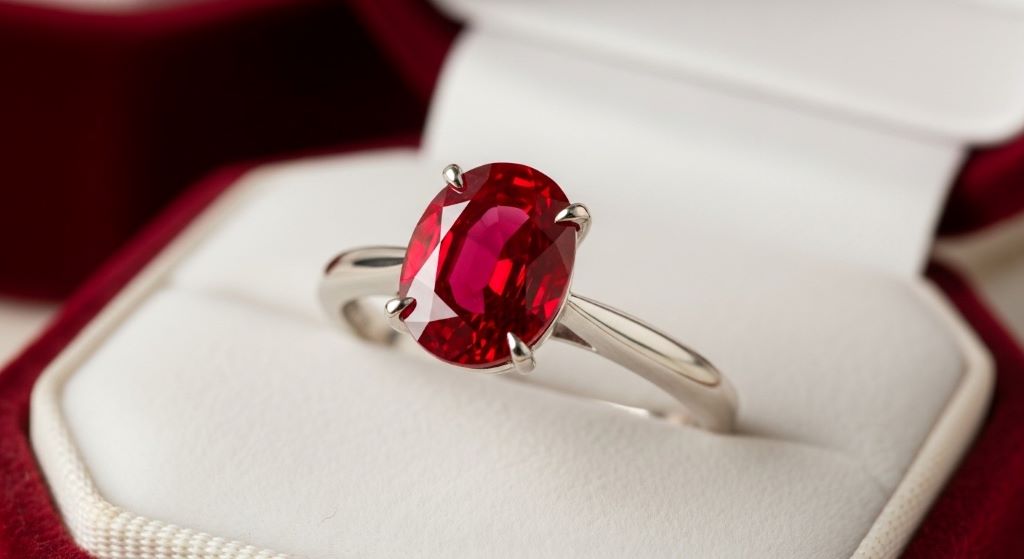
Prong settings use metal claws to secure the ruby, allowing maximum light to enter the stone from all angles. This traditional style showcases the ruby’s brilliance beautifully. Four-prong settings offer clean, modern aesthetics, while six-prong settings provide additional security. However, prongs can catch on clothing and may require periodic maintenance.
Bezel settings encircle the ruby with a metal rim, offering excellent protection for daily wear. This modern, sleek design suits active lifestyles perfectly. The metal frame can make rubies appear larger while providing a contemporary look. However, bezel settings allow slightly less light to reach the stone compared to prong settings.
Halo settings surround the center ruby with smaller diamonds or gemstones, creating a stunning frame that enhances the ruby’s appearance. This style adds sparkle and can make the center stone appear larger. Halos work particularly well with rubies, as diamond accents complement the red color beautifully. Additionally, halos offer some protection to the center stone.
Three-stone settings feature the ruby flanked by two side stones, often diamonds. This classic design is rich with symbolism, representing past, present, and future. The side stones can be smaller rubies for a monochromatic look or diamonds for contrast. This setting provides excellent balance and visual interest.
Vintage-inspired settings incorporate intricate details like milgrain, filigree, or engraving. These romantic designs complement rubies perfectly, creating heirloom-quality pieces. Vintage settings often feature yellow or rose gold, which enhances ruby’s warm tones. These designs appeal to those who appreciate historical craftsmanship and timeless elegance.
Choosing the Right Metal for Your Ruby Ring
Metal choice affects both the ring’s appearance and durability. Different metals complement rubies in unique ways, and practical considerations should guide your decision.
Platinum offers exceptional durability and naturally white color that won’t fade or require replating. Its density and strength make it ideal for securing precious stones. Platinum’s cool tone creates beautiful contrast with ruby’s warm red, making the gem appear even more vibrant. However, platinum is the most expensive metal option and develops a patina over time that some find appealing while others prefer to have polished away.
White gold provides a similar look to platinum at a more accessible price point. It’s created by alloying yellow gold with white metals and usually plated with rhodium for extra whiteness. This metal also creates stunning contrast with rubies. However, white gold requires periodic replating to maintain its bright white appearance, adding to long-term maintenance costs.
Yellow gold has adorned engagement rings for centuries, offering warmth and classic beauty. Its rich color complements rubies wonderfully, creating a harmonious, regal appearance. Yellow gold is less prone to showing scratches than white metals and never needs replating. Different karat weights affect durability and color intensity, with 14k and 18k being most popular for engagement rings.
Rose gold has surged in popularity for its romantic, feminine appeal. The pink hue comes from copper alloy and creates a stunning partnership with rubies, enhancing their red color. Rose gold suits vintage and modern designs equally well. Its durability rivals other gold types, and it doesn’t require plating. This metal particularly appeals to those seeking something distinctive yet timeless.
Considering Durability for Daily Wear
Engagement rings endure daily wear, so durability is crucial. Understanding ruby’s hardness and how to protect it ensures your ring remains beautiful for decades.
Rubies rank nine on the Mohs hardness scale, making them exceptionally durable. Only diamonds score higher at ten. This hardness means rubies resist scratching and chipping better than most gemstones. Therefore, rubies make excellent choices for engagement rings that will be worn every day.
However, all gemstones can chip or crack if struck hard enough, particularly at vulnerable points. Protective settings like bezels or v-prongs at corners of fancy-shaped rubies help minimize this risk. Consider your lifestyle when selecting a setting. Active individuals might prefer more protective designs.
Regular maintenance keeps ruby rings looking their best. Professional cleaning and inspection once or twice yearly ensures the setting remains secure and the ruby stays pristine. Between professional cleanings, gentle home care with mild soap and warm water maintains brilliance. Avoid harsh chemicals and ultrasonic cleaners for treated rubies.
Treatments are common in the ruby industry. Heat treatment enhances color and clarity in many natural rubies and doesn’t affect durability. However, some treatments like fracture filling require more careful handling. Always inquire about any treatments and receive documentation. This information affects both care requirements and value.
Budgeting for Your Ruby Engagement Ring
Ruby engagement rings span a wide price range, making them accessible at various budget levels. Understanding pricing factors helps you make smart financial decisions without compromising quality.
Natural ruby prices vary dramatically based on quality. Fine natural rubies can exceed diamond prices per carat, especially those from renowned sources like Myanmar. However, lovely natural rubies are available at moderate prices, particularly if you’re flexible about color or clarity. Mid-range natural rubies offer excellent value for couples seeking authenticity without extreme costs.
Lab-created rubies provide substantial savings, typically costing 50 to 70 percent less than comparable natural stones. This price difference allows larger stones or more elaborate settings within the same budget. The savings can be redirected toward other priorities like wedding costs or the honeymoon.
Setting complexity significantly affects total cost. Simple solitaire settings keep prices lower, while elaborate vintage designs or diamond-accented halos increase costs. Consider where you want to invest your budget. Sometimes a stunning ruby in a simpler setting makes more impact than a lesser stone in an ornate setting.
Custom design offers ultimate personalization but usually costs more than choosing existing designs. However, working with a jeweler to create something unique ensures you get exactly what you envision. Some jewelers offer semi-custom options where you select from various components, balancing personalization with affordability.
Financing options make ruby engagement rings accessible regardless of budget constraints. Many jewelers offer payment plans with reasonable terms. However, ensure you understand all terms and avoid overextending financially. An engagement ring should bring joy, not financial stress.
Finding Ethical and Sustainable Sources
Ethical considerations matter increasingly to modern couples. Knowing your ruby’s origins and ensuring responsible sourcing practices align with many people’s values.
Conflict-free sourcing ensures your purchase doesn’t fund violence or human rights abuses. Reputable jewelers can trace their ruby sources and provide documentation. Ask specific questions about supply chains and look for jewelers who prioritize transparency. Organizations like the Responsible Jewellery Council certify ethical practices throughout the jewelry industry.
Fair trade practices ensure miners and workers receive fair compensation and work in safe conditions. Some companies specifically partner with mining communities, supporting economic development and environmental protection. These partnerships often result in higher-quality stones because workers have incentive to extract gems carefully.
Recycled and vintage rubies offer sustainable alternatives to newly mined stones. Estate jewelry provides beautiful rubies with interesting histories. Antique ruby rings can be reset in modern designs, combining sustainability with personalization. Additionally, recycled rubies carry no new environmental impact.
Lab-created rubies eliminate mining concerns entirely. They require fewer natural resources and generate less environmental disruption. For couples prioritizing sustainability, lab-created gems offer peace of mind alongside beauty and affordability. Modern technology produces lab rubies indistinguishable from natural stones to the naked eye.
Certifications from recognized gemological laboratories provide assurance about your ruby’s characteristics and origin. Certificates from the Gemological Institute of America, American Gem Trade Association, or similar organizations document quality and authenticity. Always request certification when purchasing significant rubies.
Personalizing Your Ruby Ring Design
Customization transforms a beautiful ruby ring into a meaningful personal treasure. Thoughtful details make your engagement ring uniquely yours.
Engraving adds hidden messages or significant dates inside the band. These private inscriptions create intimate connections between partners. Choose meaningful phrases, coordinates of special locations, or simply your names and engagement date. Engraving costs minimal amounts but adds priceless sentimental value.
Incorporating other meaningful stones creates layers of symbolism. Birthstones representing children or family members can be added as side stones or hidden beneath the center stone. Some couples include stones representing significant life moments or places. These personal touches make rings one-of-a-kind.
Custom metalwork creates truly unique designs. Filigree patterns, nature-inspired details, or cultural motifs can be incorporated into the setting. Some couples include symbols representing shared interests or important relationship elements. Skilled jewelers can bring virtually any vision to life through custom work.
Mixed metals create visual interest and personal expression. Two-tone designs might feature platinum prongs with rose gold shanks, or yellow gold with white gold accents. These combinations suit individual style preferences and can make designs more distinctive.
Size and proportion should suit your partner’s hand and lifestyle. Delicate hands often look best with more refined designs, while larger hands can carry bolder pieces beautifully. Consider daily activities too. Someone who works with their hands might prefer lower-profile settings.
Presenting Your Ruby Ring
The proposal moment deserves as much thought as ring selection. How you present this symbol of commitment contributes to the memory you’ll cherish forever.
Traditional proposals often incorporate surprise elements and romantic settings. Whether you choose a favorite location, meaningful landmark, or intimate home setting, ensure the environment allows you both to focus on the moment. Consider your partner’s preferences about public versus private proposals.
The story behind choosing a ruby adds depth to your proposal. Explaining why you selected this particular gem and what it represents to you makes the moment more meaningful. Share how the ruby’s symbolism connects to your relationship and your vision for your future together.
Photography considerations can preserve this important memory. If you want photos or video, arrange for a photographer to be present discreetly, or set up a camera yourselves. However, prioritize authentic emotion over perfect documentation. The memory matters more than the pictures.
Ring presentation boxes and packaging create anticipation and add elegance. Many jewelers provide beautiful boxes, but you might choose something special that reflects your partner’s style. The box becomes a keepsake that protects the ring when not being worn.
Caring for Your Ruby Engagement Ring
Proper care ensures your ruby ring maintains its beauty for generations. Establishing good habits from the start protects your investment and keeps the ring looking stunning.
Daily removal during certain activities prevents damage. Take your ring off when applying lotions, cleaning with harsh chemicals, exercising, or doing activities that might damage the setting. Create a designated safe spot for your ring during these times.
Regular cleaning maintains brilliance. Gently scrub with warm water, mild dish soap, and a soft toothbrush weekly. This simple routine removes daily buildup that dulls the ruby’s sparkle. Rinse thoroughly and dry with a soft, lint-free cloth.
Professional maintenance catches problems early. Annual inspections by a jeweler ensure prongs remain tight and the setting stays secure. Professional cleaning during these visits removes buildup from hard-to-reach areas. Most jewelers offer these services free or inexpensively.
Safe storage protects your ring when traveling or during extended periods of non-wear. Store ruby rings separately from other jewelry to prevent scratching. Fabric-lined jewelry boxes or soft pouches provide ideal protection.
Insurance protects your investment against loss, theft, or damage. Add your engagement ring to your homeowner’s or renter’s policy, or purchase separate jewelry insurance. Document your ring with photographs and appraisal certificates. Update insurance valuations every few years as market values change.
Conclusion
Choosing a ruby engagement ring creates a romantic statement that honors tradition while celebrating individuality. These magnificent gems carry centuries of symbolism representing passionate love, courage, and unwavering commitment. A red gemstone engagement ring stands apart from conventional choices, reflecting the unique bond you share with your partner.
Understanding quality factors, exploring symbolic gemstones, and considering practical aspects like durability and care requirements ensures you select a ring that brings joy for decades. Whether you choose natural or lab-created rubies, traditional or contemporary settings, what matters most is that your ring authentically represents your love story.
Take time to explore options, ask questions, and work with knowledgeable jewelers who understand your vision. Consider your partner’s style, lifestyle, and values when making decisions. The perfect ruby engagement ring balances beauty, meaning, and practicality.
This meaningful purchase deserves thoughtful consideration and careful planning. However, trust your instincts too. When you find the right ruby ring, you’ll know it speaks to your heart just as your partner does. That emotional connection, combined with the information in this guide, will lead you to the perfect choice for beginning your married life together.
Frequently Asked Questions
Are ruby engagement rings less durable than diamond rings?
Rubies are extremely durable, ranking nine on the Mohs hardness scale compared to diamonds at ten. This makes them excellent choices for everyday wear. They resist scratching and chipping better than most other gemstones. With proper care and appropriate settings, ruby engagement rings last for generations. However, all gemstones require reasonable care to prevent damage from hard impacts.
Do ruby engagement rings cost more than diamond rings?
Ruby prices vary widely depending on quality, origin, and whether they’re natural or lab-created. High-quality natural rubies can equal or exceed diamond prices, particularly fine specimens from renowned sources. However, beautiful rubies are available at various price points, including options more affordable than comparable diamonds. Lab-created rubies offer exceptional value, providing the same beauty at significantly lower costs.
What do ruby engagement rings symbolize?
Rubies symbolize passionate love, devotion, courage, and protection. Throughout history, they’ve represented the heart’s fire and eternal love. Choosing a ruby demonstrates thoughtfulness and celebrates a unique relationship. The vibrant red color specifically represents vitality, energy, and the intensity of true love. Many couples feel ruby rings better express their passionate connection than traditional diamond options.
Can I have a ruby engagement ring resized later?
Yes, ruby engagement rings can typically be resized by professional jewelers. However, the complexity depends on the ring’s design and construction. Simple bands resize more easily than intricate designs with stones set around the entire band. Discuss resizing considerations with your jeweler before purchase, especially if you anticipate needing adjustments. Most reputable jewelers include one or more free sizings with engagement ring purchases.
How do I verify that a ruby is real and not synthetic?
Professional gemological laboratories can definitively identify natural versus lab-created rubies through specialized testing. Request certification from recognized institutions like GIA when purchasing. Reputable jewelers disclose whether rubies are natural or lab-created. Visual inspection alone cannot reliably distinguish them since lab-created rubies share identical physical and chemical properties with natural stones. Always purchase from trustworthy sources who provide detailed documentation.
Related Topics:
Wedding Day Emergency Kit: Essentials to Save the Day
Wedding dresses with a belt: The chicest and elegant

